Posted on Leave a comment

Rocky Patel Edge 20th Anniversary and the Role of Aged Tobacco: What Time Can Do to a Premium Wrapper

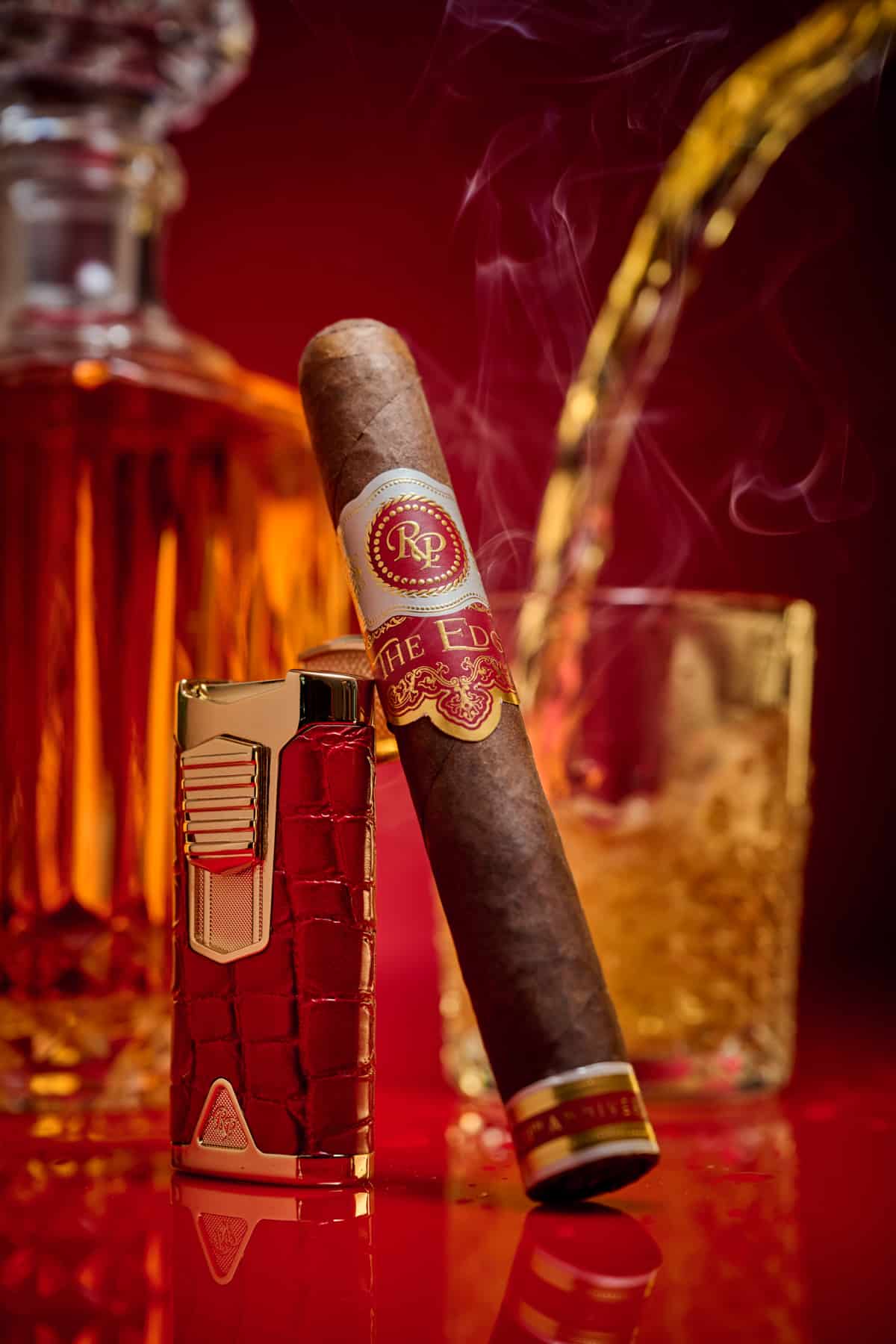
Rocky Patel The Edge 20th Anniversary

Note: For adults only. Tobacco products carry health risks.

Introduction – “a wrapper aged for more than 10 years” sounds impressive, but what does it actually mean?

Some numbers immediately capture the attention of cigar enthusiasts.

10 years.

15 years.

20 years.

When these numbers appear next to premium tobacco, a very common assumption follows:

“The older the tobacco, the better the cigar must be.”

But premium cigars are more complicated than that.

Rocky Patel The Edge 20th Anniversary is an excellent cigar for exploring this question because its concept revolves around an Ecuadorian Sumatra wrapper aged for more than a decade, paired with Nicaraguan and Honduran tobaccos inside the blend.

That is an impressive specification.

But the useful question is not:

“How old is the wrapper?”

The more important question is:

“What did time actually do to the tobacco?”

Did it reduce harshness?

Did it integrate spice?

Did sweetness become more rounded?

Did the finish become longer and more coherent?

Did the wrapper become more interesting—or simply older?

That is what turns Edge 20th Anniversary from an anniversary product into a real lesson about tobacco aging.

1. First, what is The Edge family?

The Edge is one of the better-known families within the Rocky Patel portfolio.

It should not be understood as one unchanging recipe.

Over time, Rocky Patel has used The Edge name across different expressions and wrapper styles.

That is important because it means:

The Edge is a family concept, not a single blend repeated forever.

The 20th Anniversary version therefore needs to be evaluated as its own cigar.

Its identity comes from the anniversary theme, the mature Ecuadorian Sumatra wrapper, and the way that wrapper is integrated with the rest of the blend.

2. What do we know about Edge 20th Anniversary?

The core technical picture is straightforward:

Wrapper: Ecuadorian SumatraBinder/Filler: Nicaragua and HondurasKey concept: very mature tobacco, especially the wrapper

This matters because the cigar is not simply:

“an aged tobacco cigar.”

A more precise description would be:

a Nicaragua–Honduras blend built around a very mature Ecuadorian Sumatra wrapper.

That difference in wording is important.

It reminds us that one old component does not operate alone.

The entire cigar still depends on how the blender makes the wrapper, binder and filler work together.

3. Why Ecuador matters for wrapper tobacco

Wrapper tobacco has an unusually demanding job.

It must deliver:

visual quality;

elasticity;

structural integrity;

clean combustion;

aroma;

flavor.

A leaf may taste excellent but still be unsuitable as wrapper if it tears easily or burns poorly.

Ecuador has become especially important in premium cigar production because its conditions can produce high-quality wrapper leaf with desirable texture and combustion properties.

Within that tradition, Ecuadorian Sumatra has become an important tool for blenders.

In Edge 20th Anniversary, that wrapper is not simply selected.

It is also given significant time to mature.

That makes the cigar particularly interesting from an educational perspective.

4. Sumatra is not a flavor note

A frequent beginner mistake is to see:

Sumatra wrapper

and expect a flavor called “Sumatra.”

But Sumatra is not:

cocoa,

cedar,

coffee,

or pepper.

It refers to a tobacco tradition/type whose final expression changes according to:

growing region;

soil;

climate;

priming;

curing;

fermentation;

aging;

blend architecture.

Two cigars with Ecuadorian Sumatra wrappers do not have to taste identical.

That is one of the most important principles in cigar education:

Tobacco name does not equal one fixed flavor.

5. Edge 20th Anniversary vs Vintage 1992 – an advanced Sumatra experiment

This creates a very interesting comparative idea.

Rocky Patel Vintage 1992 is another line strongly associated with mature Ecuadorian Sumatra.

Edge 20th Anniversary also centers on mature Ecuadorian Sumatra, but the tobacco underneath is configured differently.

That creates an excellent question:

“How much of what I taste comes from the wrapper, and how much comes from the rest of the blend?”

This is a much more advanced way to taste cigars.

Instead of asking:

“Does Sumatra taste like spice?”

you start asking:

“How does Sumatra behave when placed over different binder and filler systems?”

That is where understanding begins to move beyond marketing language.

6. Ten years of aging – what it does NOT mean

Aged for more than ten years does not automatically mean:

ten times more flavor;

ten times more smoothness;

ten times more complexity;

ten times more value to your palate.

Age is information about process.

It is not a mathematical guarantee of quality.

Poorly processed tobacco does not automatically become extraordinary just because it sits for a long time.

And a badly designed blend cannot be rescued by one very old component.

Aging works only within a broader chain of quality.

7. What time can potentially do to tobacco

Instead of asking whether you can “taste ten years,” look for the potential effects of age.

Integration

Do the flavors feel connected or disconnected?

Pepper

Sharp or rounded?

Texture

Rough or refined?

Sweetness

Separate or integrated?

Finish

Short and abrupt, or long and coherent?

Harshness

Do rough edges remain?

Those questions are far more useful than trying to identify a literal “aged” flavor.

Aging changes presentation, not necessarily one specific aroma.

8. Aging is not the same as fermentation

This distinction is essential.

Fermentation is a controlled transformation of tobacco after curing.

It changes the leaf chemically and helps reduce undesirable compounds.

Aging is the slower developmental period that follows.

The two processes work together.

But they are not interchangeable.

When a producer highlights a wrapper aged for many years, this refers to the leaf’s maturation history—not a replacement for proper fermentation.

Aging only makes sense when the earlier processing was already done correctly.

9. Aged leaf vs aging the finished cigar

There is another distinction that often creates confusion.

In the previous comparison between SIXTY and A.L.R., we discussed post-roll aging.

That means the cigar is already assembled and then given additional resting time.

Edge 20th Anniversary is especially interesting because the story focuses on aged tobacco before rolling, particularly the mature wrapper.

So we have two different ideas:

Aged leaf

The tobacco is aged before becoming part of the finished cigar.

Post-roll aging

The completed cigar rests after rolling.

Both can influence the final experience.

But they are different stages.

10. Why an aged wrapper is especially interesting

The wrapper occupies a unique position.

It is:

the visible leaf;

directly exposed during combustion;

aromatically important;

mechanically delicate.

So when a wrapper has been aged for a very long time, the taster can observe not only flavor but also behavior.

Pay attention to:

elasticity;

surface condition;

burn;

whether the wrapper burns in harmony with the filler;

how its contribution changes across the cigar.

A premium wrapper must work both technically and aromatically.

Age has no value if the leaf cannot still perform both functions.

11. Nicaragua + Honduras – why the interior matters enormously

The mature Ecuadorian Sumatra wrapper sits over a Nicaragua–Honduras architecture.

That is not background information.

It is fundamental.

The internal tobaccos influence:

combustion;

strength;

body;

spice;

sweetness;

smoke density;

finish.

Therefore, reducing the cigar to:

“an Ecuadorian Sumatra cigar”

would be incomplete.

A better formulation is:

aged Ecuadorian Sumatra + Nicaragua/Honduras architecture.

That language reminds the reader that the entire blend matters.

12. What Nicaragua may contribute

“Nicaraguan tobacco” is not one flavor.

Even within Nicaragua, tobacco from different growing regions can behave very differently.

Depending on the leaf and region, Nicaraguan tobacco may contribute:

strength;

earth;

spice;

sweetness;

richness;

mineral character;

aromatic depth.

But the relevant question is not:

“What does Nicaragua taste like?”

It is:

“What role is the Nicaraguan component playing in this specific blend?”

In Edge 20th Anniversary, the internal tobaccos must support the mature wrapper rather than overwhelm it.

13. What Honduras contributes

Honduras is also central to Rocky Patel’s blending history.

Honduran tobacco can bring its own combinations of:

earth;

spice;

wood;

sweetness;

structure;

combustion.

Again, these are families, not fixed formulas.

The important point is the interaction.

Edge 20th Anniversary is not built from one prestigious old leaf sitting on top of neutral filler.

The inside has its own identity.

The blender’s job is to make the entire system feel intentional.

14. Flavor profile – how to explore it without inventing tasting notes

For Edge 20th Anniversary, a responsible tasting approach is to work with broad sensory families rather than pretend that one exact flavor list is universal.

Possible areas to explore include:

wood;

spice;

earth;

sweetness;

nuts;

coffee;

cocoa;

leather;

mineral impressions;

toast.

But these are not required answers.

If your cigar gives you:

wood + dry spice + coffee

write that.

If you get:

earth + sweetness + nuts

write that instead.

The purpose of tasting is not to reproduce somebody else’s vocabulary.

It is to improve your own.

15. Do not read detailed tasting notes first

Edge 20th Anniversary has a strong story attached to it:

20th Anniversary

10+ years

Ecuadorian Sumatra

That creates a high risk of expectation bias.

Your brain can begin saying:

“Old tobacco must be extremely smooth.”

Or:

“Sumatra must mean spice.”

A better method:

read only the technical specifications;

taste;

take notes;

read external reviews afterward.

Then compare.

This helps you separate your own sensory experience from suggestion.

16. First third – look for identity, not spectacle

Do not force the cigar to prove that it is special immediately.

Let it establish itself.

Record:

Strength: ?/5Body: ?/5Flavor intensity: ?/5

Then note:

sweetness?

pepper?

wood?

earth?

creaminess?

dryness?

A cigar with very mature tobacco does not need to begin explosively to demonstrate quality.

Maturity may appear as restraint and control.

17. Second third – where complexity should begin to reveal itself

Complexity does not mean a new flavor every three puffs.

Look instead for changes in proportion.

For example:

first third:

wood + sweetness + light spice

second third:

earth + roasted character + longer finish

That is meaningful development.

Ask:

did one flavor become stronger?

did another disappear?

did texture change?

did pepper become softer or stronger?

did the finish lengthen?

Complexity is coherent evolution.

Not chaos.

18. Final third – the real stress test

The final third can reveal a great deal.

As the cigar shortens, it often becomes:

warmer;

more concentrated;

more peppery;

potentially more bitter.

The relevant question is:

Does the blend remain balanced under greater heat and concentration?

For a cigar built around mature tobacco, that is especially interesting.

Watch:

harshness;

bitterness;

spice;

sweetness;

finish;

burn temperature.

And do not rush.

If you overheat the cigar, you are testing your smoking pace more than the tobacco’s maturation.

19. What does “smooth” really mean with aged tobacco?

“Smooth” is one of the most overused words in cigar marketing.

It may mean:

little harshness;

refined texture;

controlled pepper;

easy delivery;

gradual transitions.

But smooth does not mean mild.

A cigar can be powerful and still feel smooth.

So when evaluating Edge 20th Anniversary, separate:

Strength

from:

Smoothness

from:

Body

from:

Flavor intensity.

That distinction prevents major tasting errors.

20. Old tobacco vs good tobacco – they are not synonyms

This may be the most important lesson in the entire article.

Good cigar tobacco depends on:

quality plant material;

cultivation;

curing;

fermentation;

sorting;

aging;

blending.

Aging is one part of the chain.

Not the whole chain.

An old wrapper matters only if:

it was good tobacco in the first place;

it was processed correctly;

it remained structurally usable;

the blender integrated it intelligently.

Age alone is not quality.

21. Rocky Patel uses time in several different ways

Across the Rocky Patel portfolio, time appears repeatedly—but not always in the same form.

Vintage 1990

Aged Broadleaf.

Vintage 1992

Mature Ecuadorian Sumatra.

SIXTY

Post-roll maturation.

A.L.R. Second Edition

Aging of the finished cigar as a core product concept.

Edge 20th Anniversary

Very mature Ecuadorian Sumatra wrapper.

These are different strategies.

That is important.

“Aged cigar” can describe more than one production philosophy.

22. Edge 20th Anniversary vs SIXTY – two different forms of aging

This comparison is extremely useful.

SIXTY

Educational focus:

what happens after the cigar is rolled.

Edge 20th Anniversary

Educational focus:

what happens to a major tobacco component before the cigar is rolled.

SIXTY teaches post-roll integration.

Edge 20th teaches mature-leaf selection.

Both involve time.

But the time is being applied at different stages of the process.

23. Edge 20th Anniversary vs A.L.R. – aging as specification vs aging as identity

A.L.R. literally means:

Aged. Limited. Rare.

There, aging is the commercial identity of the line.

Edge 20th Anniversary uses aged tobacco as a defining technical component of an anniversary blend.

So:

A.L.R.

Aging is the concept.

Edge 20th Anniversary

Aging is a major material/production characteristic inside the concept.

Both are legitimate.

But they tell different stories.

24. Edge 20th Anniversary vs Vintage 1992 – one of the best Sumatra comparisons

For a smoker interested in wrapper education, this can be an excellent experiment.

Both involve mature Ecuadorian Sumatra.

But the internal architecture differs.

So ask:

what characteristics feel common?

where does sweetness differ?

where does spice differ?

which has more body?

which has the longer finish?

how much does the interior appear to reshape the wrapper?

This helps answer the important question:

How much does wrapper matter—and how much does the rest of the blend matter?

The answer is always:

both.

25. Edge 20th Anniversary vs Decade – anniversary blending and Sumatra

Another interesting conceptual comparison comes from Rocky Patel Decade.

Decade is also an anniversary-oriented cigar and is associated with Sumatra.

That demonstrates something useful about Rocky Patel’s blending style:

the producer may return to a wrapper family without simply recreating the same cigar.

This is another reason to avoid statements such as:

“I have smoked one Sumatra, so I know what all Sumatra cigars taste like.”

You do not.

Wrapper is one variable.

Blend architecture changes everything.

26. What an intermediate smoker can learn from Edge 20th Anniversary

For the intermediate smoker, Edge 20th Anniversary becomes especially useful after the basics are already understood:

Strength;

Body;

Flavor;

Wrapper;

Binder;

Filler.

The next question becomes:

“Can I identify the effects of mature tobacco?”

That is harder.

There is no instant answer.

You need reference points.

Ideally, compare it with other Sumatra cigars or other aged-tobacco Rocky Patel lines.

Edge 20th Anniversary works best as part of an educational sequence, not simply as an expensive special cigar.

27. What an experienced aficionado can learn

The experienced smoker can ask a deeper question:

“How much aging is enough?”

If 10 years is good, is 15 automatically better?

No.

At some point, the blender must balance:

evolution;

preservation of character;

structural quality;

availability;

intended flavor profile.

Aging has a purpose.

It is not a competition.

The oldest leaf does not automatically win.

28. How I would taste it at Mister Tabaco

Before lighting

Inspect the wrapper.

Do not judge it only by color.

Look at:

texture;

elasticity;

aroma at cold.

Cold draw

Evaluate:

resistance;

sweetness;

wood;

spice;

other impressions.

First third

Establish the baseline.

Second third

Study transitions.

Final third

Evaluate integration under increasing heat.

Use water.

For the first analytical session, avoid a powerful whisky, cognac or espresso.

First understand the cigar itself.

29. Mister Tabaco “Time & Sumatra Flight”

A very interesting educational flight, depending on availability, could include:

Rocky Patel Vintage 1992

Lesson: mature Ecuadorian Sumatra.

Rocky Patel Edge 20th Anniversary

Lesson: mature Ecuadorian Sumatra + Nicaragua/Honduras.

Rocky Patel Decade

Lesson: anniversary blending + Sumatra in another architecture.

Do not smoke all three in one day.

Three sessions.

Same tasting sheet.

Same water.

Now you are actually studying Sumatra, not simply reading the name on the band.

30. Mister Tabaco “Aging Flight”

If your main interest is time rather than wrapper:

Vintage 1990

Lesson: aged Broadleaf.

SIXTY

Lesson: post-roll aging.

A.L.R. Second Edition

Lesson: aging of the finished cigar as product identity.

Edge 20th Anniversary

Lesson: wrapper matured for more than a decade.

This reveals an important truth:

“Aged cigar” can mean several different things.

Understanding that difference makes future buying decisions much more intelligent.

31. Common mistakes when discussing Edge 20th Anniversary

“The entire cigar is more than 10 years old”

Not necessarily. The key aging claim concerns the mature wrapper/tobacco used in the blend.

“Ten years automatically means better than five”

False.

“Aged tobacco means mild”

False.

“Smooth and mild are the same thing”

False.

“Sumatra has one specific taste”

False.

“The wrapper determines the entire profile”

False.

“If the leaf was aged before rolling, the finished cigar can no longer evolve”

False. Leaf age and finished-cigar evolution are separate concepts.

“Ratings determine whether I will like it”

False.

32. Edge 20th Anniversary tasting checklist

Ask yourself:

Does the wrapper appear well integrated physically?

Is the cold draw open or restrictive?

Strength 1–5?

Body 1–5?

Flavor intensity 1–5?

Is the sweetness bright or dark?

Is pepper sharp or rounded?

Do I notice wood, earth or roasted character?

How much does the second third change?

Does the final third remain controlled?

Is the finish short, medium or long?

Am I experiencing refinement or simply intensity?

Would I compare it with another Sumatra?

That turns “10+ years” from a marketing number into a sensory experiment.

33. FAQ – Edge 20th Anniversary and aged tobacco

What wrapper does Rocky Patel Edge 20th Anniversary use?

Ecuadorian Sumatra.

What is special about the wrapper?

It is presented as very mature, with more than a decade of aging.

What tobaccos are used inside?

The blend incorporates Nicaraguan and Honduran tobacco.

Is the entire cigar more than 10 years old?

That should not automatically be assumed. The aging story focuses especially on the mature tobacco used in the wrapper.

What does Sumatra mean?

It refers to a tobacco tradition/type; in this case the wrapper is grown in Ecuador.

Does aged tobacco automatically mean a mild cigar?

No.

Are aging and fermentation the same?

No. They are different stages.

What other Rocky Patel cigar is useful for a Sumatra comparison?

Vintage 1992 is a particularly interesting reference.

Is Edge 20th Anniversary ideal for a complete beginner?

It is more educational once the smoker already understands some basic cigar concepts and can compare it with other lines.

How should I taste it for the first time?

With water, a relatively neutral palate and without reading detailed tasting notes beforehand.

34. Mister Tabaco verdict – why Edge 20th Anniversary is worth studying, not just buying

Edge 20th Anniversary makes sense for the smoker who wants to understand:

Ecuadorian Sumatra;

aged wrapper tobacco;

Nicaragua–Honduras blending;

aging vs strength;

aged leaf vs aged finished cigar;

integration and complexity.

The least useful approach would be:

“It has 10+ year tobacco, therefore it must be superior.”

A much better question is:

“What effect can I actually perceive from that mature tobacco?”

That is where informed tasting begins.

Conclusion – time is not an ingredient; it is a tool

Rocky Patel Edge 20th Anniversary is built around a compelling idea:

very mature Ecuadorian Sumatra + Nicaraguan and Honduran tobacco.

But the most valuable part is not the number of years.

It is the question those years create:

What did time do to the tobacco?

Aging is not:

vanilla.

Cocoa.

Coffee.

Cedar.

It is not one flavor note.

It is a process that can influence how flavor is delivered.

Potential effects may include:

integration;

roundness;

complexity;

texture;

finish;

reduction of harsh edges.

But these effects always depend on the quality of the original tobacco and the intelligence of the final blend.

That is why Edge 20th Anniversary makes most sense in context.

Vintage 1990 demonstrates aged Broadleaf.

Vintage 1992 explores mature Ecuadorian Sumatra in another architecture.

SIXTY demonstrates post-roll maturation.

A.L.R. makes aging part of the cigar’s identity.

Edge 20th Anniversary places a very mature Ecuadorian Sumatra wrapper at the center of the story.

And from that comparison we learn perhaps the most important lesson:

We are not buying years. We are buying what the blender managed to do with those years.

The correct question is not:

“How old is it?”

It is:

“What did it become?”

Mister Tabaco

At Mister Tabaco, you can turn theory into practical comparisons between blends, vitolas and origins.

Continue the Tobacco Guide

What Is Premium Tobacco and How Is It Different from Ordinary Tobacco?

Wrapper, Binder and Filler – the anatomy of a premium cigar

Corojo, Criollo, Connecticut, Habano, Sumatra, Broadleaf and San Andrés – A Guide to the Major Wrapper Families

Maduro Explained Properly – Color, Fermentation, Flavor and the Strength Myth

Ligero, Seco and Volado – how leaf position changes a premium cigar

How Cigar Tobacco Is Grown – From Seed to Harvest

Tobacco Fermentation – The Process That Transforms the Leaf

Tobacco Aging – Why Some Cigar Leaves Are Aged for Years

Nicaragua vs Honduras vs Dominican Republic vs Ecuador vs Mexico – How Terroir Changes Cigar Tobacco and Flavor

How a Master Blender Creates a Cigar

Shade-Grown vs Sun-Grown: How Light Changes a Cigar Wrapper

Long Filler vs Short Filler – The Real Differences in Cigar Construction

Strength vs Body vs Flavor – How to Describe a Cigar Correctly

How Vitola Changes Cigar Flavor: Robusto vs Toro vs Churchill vs Sixty

How to Choose Your First Premium Cigar – A Complete Beginner’s Guide

How to Taste a Premium Cigar and Identify Aromas

How to Store Cigars Properly: Humidor, Temperature and Humidity

Common Mistakes That Can Ruin the Experience of a Premium Cigar

Rocky Patel Guide: Differences Between the Main Collections at Mister Tabaco

Rocky Patel Vintage 1990 vs Vintage 1999: Aged Broadleaf or Delicate Connecticut?

Rocky Patel Number 6 vs DBS: Balanced Corojo or Broadleaf Architecture?

Rocky Patel SIXTY vs A.L.R. Second Edition: Two San Andrés Interpretations, Two Aging Philosophies

Rocky Patel Edge 20th Anniversary and the Role of Aged Tobacco: What Time Can Do to a Premium Wrapper

How to Choose a Rocky Patel by Experience, Strength and Flavor Profile

Explore the Cigar Guide

How to Choose Your First Cigar

Which Rocky Patel Cigar Should You Choose as a Beginner?

How to Smoke a Cigar Properly

Robusto, Toro or Churchill? Cigar Size Guide

How to Store Cigars Properly

Cuba vs Nicaragua vs Dominican Republic vs Honduras

How to Identify Cigar Flavors

Cigar Pairing with Whisky, Rum, Cognac or Coffee

10 Common Cigar Mistakes Beginners Make

How to Choose a Cigar as a Gift or for a Special Occasion

Tobacco products are intended for adults only. Smoking seriously damages your health.
Posted on 1 Comment

How to Choose a Rocky Patel by Experience, Strength and Flavor Profile

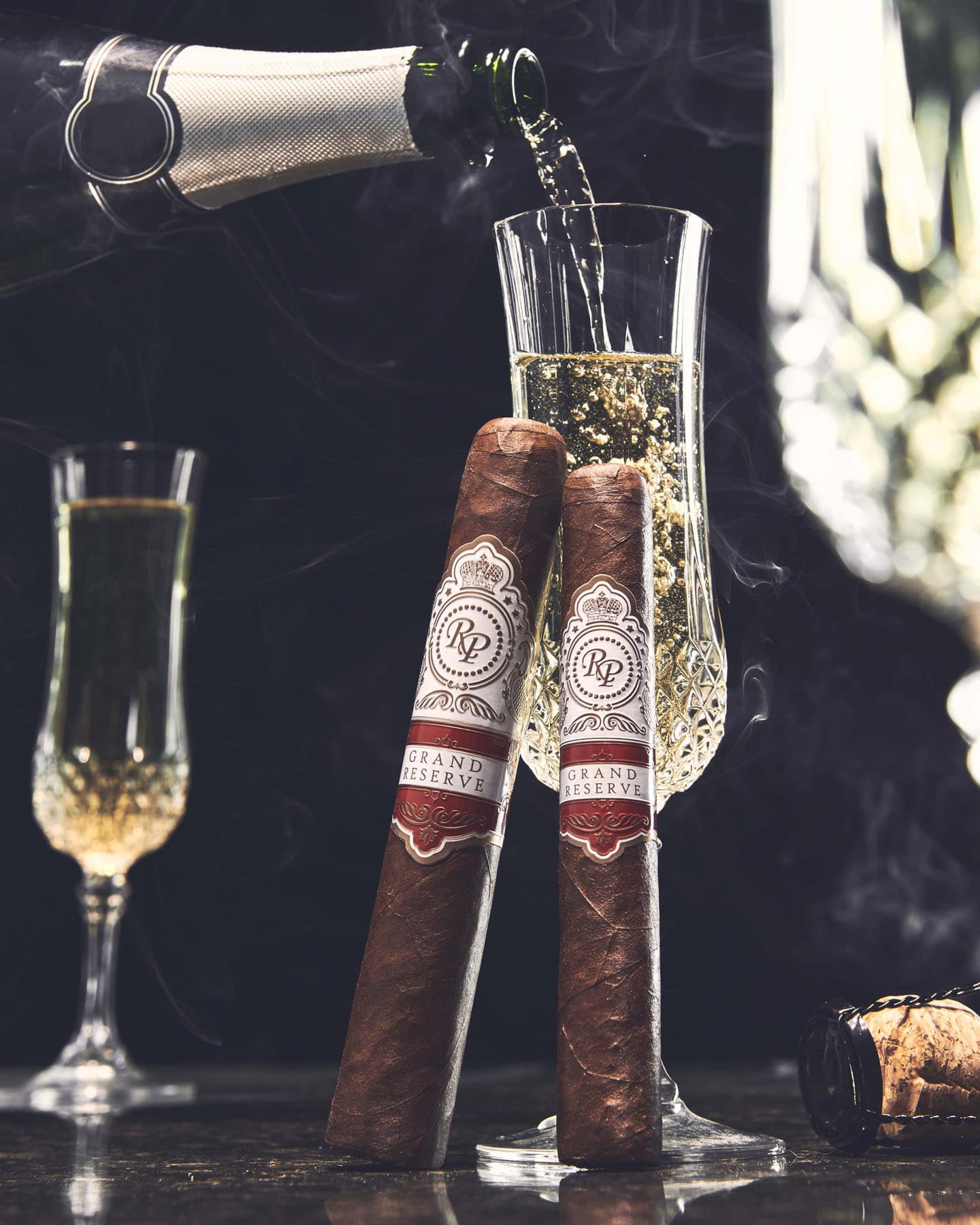
Rocky Patel Grand Reserve

Note: For adults only. Tobacco products carry health risks.

Introduction – you do not need “the best Rocky Patel”; you need the right Rocky Patel for you

When someone sees several Rocky Patel collections side by side for the first time, the same questions usually appear:

“Which one is the best?”

“Which one is the strongest?”

“Which one is the most premium?”

“Which one has the best ratings?”

The problem is that none of those questions tells us enough about what the smoker actually enjoys.

A cigar can be:

very well constructed,

aged for years,

highly rated,

more expensive,

and still be wrong for your palate.

The correct choice starts with different questions:

What strength level feels comfortable?

What body do you prefer?

Do you enjoy brighter or darker flavor families?

Do you prefer creaminess, sweetness, coffee, cocoa, earth or pepper?

Which wrappers interest you?

How much time do you have?

This article is designed as the central guide to the Rocky Patel series at Mister Tabaco.

It is not a ranking.

It is a selection map.

1. First rule – separate Strength, Body and Flavor

Before choosing a Rocky Patel, three concepts must be separated.

Strength

The physiological impact of the cigar.

Body

The perceived weight and density of the smoke.

Flavor

The intensity and variety of aromas and tastes.

These are not the same.

A cigar can be:

mild in strength

yet:

highly flavorful.

Another can be:

medium-full

yet:

smooth and refined.

Without this distinction, poor recommendations quickly appear:

“You want more flavor? Then you need a stronger cigar.”

No.

Flavor does not automatically require higher strength.

2. Level 1 – your first Rocky Patel

For someone entering premium cigars and looking for a first Rocky Patel, the most logical direction is:

Vintage 1999.

Why?

Because it sits in the more delicate part of the portfolio:

Connecticut Shade;

mild profile;

refined texture;

useful for learning pacing;

useful for learning cutting and lighting;

subtle enough to train the palate.

With the first cigar, the objective should not necessarily be maximum complexity.

The objective is control.

3. What Vintage 1999 should teach you

Vintage 1999 should not be treated only as a “beginner cigar.”

It is better used as a reference point.

Learn to identify:

creaminess;

toast;

nuts;

light wood;

delicate sweetness;

smoke texture;

finish.

Most importantly, learn:

mild does not mean flavorless.

That principle becomes the foundation for the rest of the Rocky Patel journey.

4. Level 2 – more depth without a major jump in strength

After Vintage 1999, a logical next step is:

Vintage 1990.

The biggest conceptual change is the wrapper.

You move from:

Connecticut Shade

to:

aged Honduran Broadleaf.

The result is a deeper profile.

Look for:

earth;

wood;

roasted character;

darker sweetness;

cocoa-like impressions;

fuller body.

But without jumping directly into a very intense blend.

It is a very natural progression:

delicacy → depth.

5. Vintage 1999 or Vintage 1990 – the 15-second decision

Choose Vintage 1999 if you want:

mild strength;

Connecticut;

creaminess;

relaxation;

a brighter profile;

your first Rocky Patel.

Choose Vintage 1990 if you want:

more body;

aged Broadleaf;

a darker profile;

greater depth;

a logical step after 1999.

If you are unsure:

compare them in the same vitola.

That is the most useful method.

6. Level 3 – entering medium territory with Number 6

Once you understand mild and milder-medium cigars, Number 6 becomes an excellent entry into medium.

Now the focus shifts to:

Honduran Corojo

and a profile built around:

sweetness + pepper.

Number 6 matters because it does not force the smoker immediately into excessive density.

It is balanced.

If someone says:

“I want something more expressive than Vintage, but I do not want an aggressive cigar,”

Number 6 is one of the strongest candidates.

7. What Number 6 can teach you

Number 6 is useful for learning:

Corojo;

medium strength;

sweetness;

pepper;

balance;

vitola.

It also offers several formats:

Corona,

Robusto,

Toro,

Sixty.

That creates the experiment:

same blend → different geometry.

You can discover your preferred vitola without changing cigar family.

8. White Label – if you like Connecticut but want more body

Some smokers enjoy Connecticut but eventually say:

“Vintage 1999 is a little too delicate for me.”

That is where White Label becomes interesting.

It demonstrates why:

Connecticut ≠ automatically mild.

The overall direction can remain elegant:

cedar;

cream;

sweet finish;

but with more structure and presence.

So:

Vintage 1999

Connecticut + mild.

White Label

Connecticut + more body.

9. Grand Reserve – for someone who wants balance without reading the recipe

Grand Reserve is interesting partly because the complete blend is not emphasized as openly as in some other lines.

That makes it useful for:

blind-style tasting.

If you already have a few reference points, try Grand Reserve without obsessing over the recipe.

Score:

Strength;

Body;

Sweetness;

Spice;

Texture;

Finish.

Then compare it with Number 6 or Vintage 1990.

It is a useful way to test whether your palate works without assistance from the technical sheet.

10. Level 4 – SIXTY: San Andrés without jumping directly to medium-full

If you want to explore San Andrés but do not want to move immediately into a highly intense cigar, SIXTY is a very logical choice.

It brings:

San Andrés wrapper;

Nicaraguan core;

medium strength;

significant post-roll aging;

emphasis on integration.

Useful areas to explore:

caramel;

coffee;

espresso;

cocoa;

earth;

roasted character;

sweetness.

It is a very natural step after Number 6.

11. Number 6 vs SIXTY – when to choose each one

Number 6

Choose it if you prefer:

Corojo;

sweetness + pepper;

a more direct profile;

Honduran identity;

balanced medium strength.

SIXTY

Choose it if you prefer:

San Andrés;

coffee/cocoa/roasted direction;

Nicaragua;

aging as an important concept;

denser integration.

Both can sit around medium.

Yet they can taste completely different.

That is the lesson:

equal strength does not mean equal flavor.

12. Level 5 – when you want medium-full: A.L.R. Second Edition

After SIXTY, a logical progression is:

A.L.R. Second Edition.

There are some shared concepts:

Nicaragua;

San Andrés;

aging;

Robusto/Toro/Sixty.

But A.L.R. moves into:

Medium-Full.

It also introduces:

box-pressed construction;

undisclosed internal blend;

Aged. Limited. Rare. identity.

If SIXTY is a study of integration at medium strength, A.L.R. is a study of integration under greater intensity.

13. SIXTY vs A.L.R. – quick choice

Choose SIXTY if:

you want San Andrés;

you prefer Medium;

you want to explore aging;

you do not seek maximum intensity;

you want a controlled progression.

Choose A.L.R. if:

you want Medium-Full;

you enjoy San Andrés;

you want box-pressed construction;

aging should be central to the concept;

you already know medium cigars.

If possible:

SIXTY Robusto → A.L.R. Robusto.

That is one of the cleanest comparisons in the portfolio.

14. Disciple – when you want more wood, earth and pepper

Disciple moves in a more direct direction.

It makes sense for someone saying:

“I want something darker, earthier and spicier.”

Its broad profile is easier to express through:

wood;

earth;

pepper;

medium-full character.

Disciple can be especially interesting after Number 6 and SIXTY when you want:

more structure and intensity.

15. DBS – when you want to understand blend architecture

DBS is different.

Its value should not be reduced to:

“It is stronger.”

The important lesson is structural.

DBS means:

Double Broadleaf Selection.

Yet the wrapper is San Andrés.

Broadleaf appears deeper in the cigar.

That makes DBS ideal for someone who wants to understand:

wrapper;

binder;

filler;

Pennsylvania Broadleaf;

Nicaraguan Broadleaf;

layering.

DBS is almost a blending laboratory.

16. Number 6 vs DBS – two different lessons

Number 6

Lesson: balance.

DBS

Lesson: architecture.

Number 6:

Corojo + Honduras + sweetness/pepper.

DBS:

San Andrés + Broadleaf layering.

That is why the progression:

Number 6 → DBS

is educational even if the two cigars should not be reduced to a simple strength ladder.

It moves you from:

“What does it taste like?”

to:

“Why does it taste this way?”

17. Edge 20th Anniversary – when you want to study time

Once you understand:

wrapper;

strength;

body;

San Andrés;

Broadleaf;

vitola;

Edge 20th Anniversary adds a more advanced question:

“What can long aging do to a leaf?”

Here you have:

very mature Ecuadorian Sumatra

over:

Nicaragua + Honduras.

Do not choose it only because the tobacco is old.

Use it as an experiment.

Study:

integration;

smoothness;

complexity;

spice;

texture;

finish.

18. Who is Edge 20th Anniversary for?

It makes particular sense for:

intermediate smokers;

aficionados;

people already familiar with several Rocky Patel lines;

smokers interested in Sumatra;

smokers interested in aged tobacco;

people exploring anniversary blends.

It makes less sense as:

the first premium cigar of your life.

Not because a beginner is forbidden from smoking it.

But because much of its educational value requires reference points.

19. Conviction – when rarity becomes part of the experience

Conviction belongs to a different zone.

It makes more sense once the smoker has already explored several parts of the Rocky Patel portfolio.

The concept introduces:

small-batch production;

old tobacco reserves;

San Andrés;

box-pressed construction;

limited production;

medium-plus orientation;

coffee/dessert flavor references.

But avoid the classic mistake:

rare = automatically better.

Rarity adds context.

It does not guarantee preference.

20. Choosing by strength

A simplified map:

Mild

Vintage 1999

Medium leaning milder

Vintage 1990

Medium

Number 6SIXTYGrand ReserveWhite Label

Medium Plus

Conviction

Medium-Full

A.L.R. Second EditionDisciple

DBS and Edge 20th Anniversary are especially useful when evaluated through blend architecture and actual experience rather than forced into one overly simple label.

21. Choosing by wrapper

Connecticut

Vintage 1999White Label

Honduran Broadleaf

Vintage 1990

Honduran Corojo

Number 6

San Andrés

SIXTYA.L.R. Second EditionDiscipleDBSConviction

Ecuadorian Sumatra

Edge 20th Anniversary

This is a useful map if you are learning wrapper families.

But remember:

The wrapper is not the whole cigar.

22. Choosing by flavor profile

I want creaminess and finesse

→ Vintage 1999.

I want Broadleaf and more depth

→ Vintage 1990.

I want sweetness + pepper

→ Number 6.

I want Connecticut with more body

→ White Label.

I want coffee / caramel / roasted character

→ SIXTY.

I want medium-full, aging and San Andrés

→ A.L.R.

I want wood / earth / pepper

→ Disciple.

I want Broadleaf layering

→ DBS.

I want mature Sumatra

→ Edge 20th Anniversary.

I want rarity and old tobacco

→ Conviction.

This is far more useful than:

“Which one has the higher rating?”

23. Choosing brighter flavor families

“Bright” is not an official cigar classification.

It is simply a practical way to organize perception.

If you enjoy:

cream;

toast;

nuts;

light wood;

delicate sweetness;

start with:

Vintage 1999.

If you want a related elegant direction with more body:

White Label.

These can occupy the brighter side of your personal flavor map.

24. Choosing darker flavor families

If you tend to prefer:

cocoa;

coffee;

earth;

roasted notes;

dark sweetness;

leather;

pepper;

you can explore:

Vintage 1990 → SIXTY → DBS → A.L.R. → Disciple

depending on how much intensity you want.

They will not all taste alike.

But they sit farther toward the darker end of the aromatic spectrum than Vintage 1999.

25. Choosing by experience level

Complete beginner

Vintage 1999

Beginner with some cigar experience

Vintage 1990Number 6

Intermediate

White LabelGrand ReserveSIXTYDBS

Intermediate to advanced

A.L.R.Disciple

Aficionado / advanced exploration

Edge 20th AnniversaryConviction

But do not treat this as a mandatory ladder.

An expert may genuinely prefer Vintage 1999.

A newer smoker may prefer Number 6.

Your palate does not follow military ranks.

26. Choosing by available time

Vitola matters almost as much as blend.

Shorter session

Petite Corona / Corona / Robusto.

Medium session

Robusto / Toro.

Longer session

Toro / Churchill.

Very long session

Sixty / larger Churchill.

But vitola is not only about duration.

It also changes:

wrapper-to-filler ratio;

temperature;

smoke volume;

development.

That is why a Robusto and a Sixty from the same line should not be expected to feel identical.

27. Robusto – one of the best formats for comparison

For educational comparisons, Robusto is often ideal.

Why?

The session is not excessively long.

The ring gauge is manageable.

Many collections offer it.

That allows comparisons such as:

Vintage 1999 Robusto vs Vintage 1990 Robusto

Number 6 Robusto vs DBS Robusto

SIXTY Robusto vs A.L.R. Robusto

Those three pairs alone form an excellent Rocky Patel learning program.

28. Toro – when you want to study development

Toro gives you more time.

It is particularly useful for studying:

first-third identity;

transitions;

final concentration;

development;

finish.

Once you know that you like a blend in Robusto, Toro is a logical next step.

Not because it is automatically better.

Because it gives you more of the story.

29. Sixty – do not confuse size with strength

A Sixty can look impressive.

But:

larger ring gauge ≠ automatically greater strength.

A greater volume of filler changes the way the blend is presented.

Sometimes the Sixty may feel:

rounder,

slower,

more voluminous in smoke.

In other cases, the smoker may clearly prefer Robusto.

Vitola is preference.

Not hierarchy.

30. Three Rocky Patel flights for palate education

Flight 1 – from delicate to deeper

Vintage 1999 → Vintage 1990 → Number 6

You study:

Connecticut → Broadleaf → Corojo.

Flight 2 – San Andrés

SIXTY → A.L.R. → DBS

You study:

medium → medium-full → blend architecture.

Flight 3 – Time & Aging

Vintage 1990 → SIXTY → A.L.R. → Edge 20th Anniversary

You study:

aged wrapper → post-roll aging → aged finished cigar → mature Sumatra wrapper.

These flights should be done in separate sessions.

Not in one afternoon.

31. The complete Mister Tabaco Rocky Patel journey

If I were building a full educational sequence, it would look like this:

#1 Vintage 1999

Lesson: mild + Connecticut.

#2 Vintage 1990

Lesson: aged Broadleaf.

#3 Number 6

Lesson: Corojo + balance.

#4 White Label

Lesson: Connecticut does not automatically mean mild.

#5 SIXTY

Lesson: San Andrés + post-roll aging.

#6 DBS

Lesson: binder/filler architecture.

#7 A.L.R. Second Edition

Lesson: medium-full + aging + box press.

#8 Disciple

Lesson: wood + earth + pepper.

#9 Edge 20th Anniversary

Lesson: mature Sumatra.

#10 Conviction

Lesson: rarity + old tobacco reserves.

This is not a ranking of quality.

It is a sequence of learning topics.

32. Common mistakes when choosing Rocky Patel

“I want the strongest one”

Strength alone does not define your preferred flavor.

“The darkest cigar must be the strongest”

False.

“Connecticut is always mild”

False.

“San Andrés is always full strength”

False.

“The most expensive is the best”

False.

“Limited automatically tastes better”

False.

“More years of aging automatically means better”

False.

“Sixty is automatically the best vitola”

False.

“A 96 rating means I must like it”

False.

“If I am experienced, I should only smoke medium-full”

False.

33. Quick Rocky Patel selection table

What you want

Start with

First Rocky Patel

Vintage 1999

More depth

Vintage 1990

Balanced medium

Number 6

Connecticut with more body

White Label

Blind-style medium

Grand Reserve

San Andrés + medium

SIXTY

Medium-full + aging

A.L.R.

Wood / earth / pepper

Disciple

Broadleaf architecture

DBS

Mature Sumatra

Edge 20th Anniversary

Limited / old tobacco

Conviction

This is probably the simplest navigation tool in the entire article.

34. FAQ – how to choose a Rocky Patel

Which Rocky Patel is best for beginners?

Vintage 1999 is one of the most logical starting points.

What should come after Vintage 1999?

Vintage 1990 or Number 6.

What if I want medium strength?

Number 6 and SIXTY are excellent options with very different profiles.

What if I want Connecticut?

Vintage 1999 for greater delicacy; White Label for more structure.

What if I want San Andrés?

SIXTY, A.L.R., Disciple or DBS depending on strength and the experience you want.

Which one is best for learning about aging?

There is no single answer. Vintage 1990, SIXTY, A.L.R. and Edge 20th Anniversary illustrate different uses of time.

What if I like coffee and cocoa?

SIXTY is a useful starting point; DBS and A.L.R. can continue toward denser territory.

What if I like pepper?

Number 6 and Disciple provide two very different reference points.

What if I want something rare?

Conviction is the clearest direction among the lines discussed.

Robusto or Toro?

Robusto for a more compact comparison; Toro for more development.

Is Sixty stronger?

Not automatically.

What if I do not know my preferences?

Start with a progressive flight and record strength, body and flavor separately.

35. Mister Tabaco Decision Tree – choose in 30 seconds

Ask yourself:

1. Do you want mild?

Yes → Vintage 1999

No → continue.

2. Do you want medium?

Yes → Vintage 1990 / Number 6 / White Label / SIXTY / Grand Reserve

Then narrow it down:

Connecticut → White LabelCorojo → Number 6San Andrés → SIXTYBroadleaf → Vintage 1990

3. Do you want medium-full?

Yes → A.L.R. / Disciple

Aging + San Andrés → A.L.R.Wood + earth + pepper → Disciple

4. Want to study blend architecture?

→ DBS

5. Want mature Sumatra?

→ Edge 20th Anniversary

6. Want rarity?

→ Conviction

In less than a minute, you have narrowed the portfolio down to one or two relevant choices.

36. Building your own Rocky Patel profile

After each cigar, record:

Cigar:Vitola:Strength 1–5:Body 1–5:Flavor 1–5:Sweetness 1–5:Pepper 1–5:Creaminess 1–5:Earth 1–5:Coffee/Cocoa 1–5:Texture:Finish:Would I buy it again?

After 8–10 cigars, patterns appear.

You may discover:

“I do not actually like very strong cigars. I like medium San Andrés.”

Or:

“I prefer Connecticut, but with more body.”

Or:

“Corojo + Toro is my combination.”

That information is much more valuable than a general rating.

37. The correct choice is not permanent

Palates change.

Today:

Vintage 1999.

Six months later:

Number 6.

On a long evening:

A.L.R.

For an educational tasting:

Edge 20th Anniversary.

With coffee:

SIXTY.

You do not need to find:

“the one perfect Rocky Patel.”

It is more useful to have:

the right Rocky Patel for different kinds of experiences.

Conclusion – build a map, not a ranking

The Rocky Patel portfolio becomes much easier to understand when we stop treating it like a competition.

Vintage 1999 does not need to defeat A.L.R.

Number 6 does not need to be better than DBS.

SIXTY does not need to beat Edge 20th Anniversary.

Each cigar can occupy a different place on your map.

Vintage 1999 – delicacy.

Vintage 1990 – aged Broadleaf.

Number 6 – Corojo balance.

White Label – Connecticut with greater structure.

Grand Reserve – medium blind-style exploration.

SIXTY – San Andrés and integration.

A.L.R. – aging and medium-full.

Disciple – wood, earth, pepper.

DBS – Broadleaf architecture.

Edge 20th Anniversary – mature Sumatra.

Conviction – rarity and old tobacco.

The right choice comes down to four questions:

What strength do I enjoy?

What flavor profile am I looking for?

What do I want to learn from the cigar?

How much time do I have?

Once you can answer those clearly, the question:

“Which Rocky Patel is best?”

becomes much less important.

Because you can say something far more useful:

“I know which Rocky Patel fits me today.”

Mister Tabaco

At Mister Tabaco, you can turn theory into practical comparisons between blends, vitolas and origins.

Continue the Tobacco Guide

What Is Premium Tobacco and How Is It Different from Ordinary Tobacco?

Wrapper, Binder and Filler – the anatomy of a premium cigar

Corojo, Criollo, Connecticut, Habano, Sumatra, Broadleaf and San Andrés – A Guide to the Major Wrapper Families

Maduro Explained Properly – Color, Fermentation, Flavor and the Strength Myth

Ligero, Seco and Volado – how leaf position changes a premium cigar

How Cigar Tobacco Is Grown – From Seed to Harvest

Tobacco Fermentation – The Process That Transforms the Leaf

Tobacco Aging – Why Some Cigar Leaves Are Aged for Years

Nicaragua vs Honduras vs Dominican Republic vs Ecuador vs Mexico – How Terroir Changes Cigar Tobacco and Flavor

How a Master Blender Creates a Cigar

Shade-Grown vs Sun-Grown: How Light Changes a Cigar Wrapper

Long Filler vs Short Filler – The Real Differences in Cigar Construction

Strength vs Body vs Flavor – How to Describe a Cigar Correctly

How Vitola Changes Cigar Flavor: Robusto vs Toro vs Churchill vs Sixty

How to Choose Your First Premium Cigar – A Complete Beginner’s Guide

How to Taste a Premium Cigar and Identify Aromas

How to Store Cigars Properly: Humidor, Temperature and Humidity

Common Mistakes That Can Ruin the Experience of a Premium Cigar

Rocky Patel Guide: Differences Between the Main Collections at Mister Tabaco

Rocky Patel Vintage 1990 vs Vintage 1999: Aged Broadleaf or Delicate Connecticut?

Rocky Patel Number 6 vs DBS: Balanced Corojo or Broadleaf Architecture?

Rocky Patel SIXTY vs A.L.R. Second Edition: Two San Andrés Interpretations, Two Aging Philosophies

Rocky Patel Edge 20th Anniversary and the Role of Aged Tobacco: What Time Can Do to a Premium Wrapper

How to Choose a Rocky Patel by Experience, Strength and Flavor Profile

Explore the Cigar Guide

How to Choose Your First Cigar

Which Rocky Patel Cigar Should You Choose as a Beginner?

How to Smoke a Cigar Properly

Robusto, Toro or Churchill? Cigar Size Guide

How to Store Cigars Properly

Cuba vs Nicaragua vs Dominican Republic vs Honduras

How to Identify Cigar Flavors

Cigar Pairing with Whisky, Rum, Cognac or Coffee

10 Common Cigar Mistakes Beginners Make

How to Choose a Cigar as a Gift or for a Special Occasion

Tobacco products are intended for adults only. Smoking seriously damages your health.
Posted on Leave a comment

Rocky Patel Number 6 vs DBS: Balanced Corojo or Broadleaf Architecture?

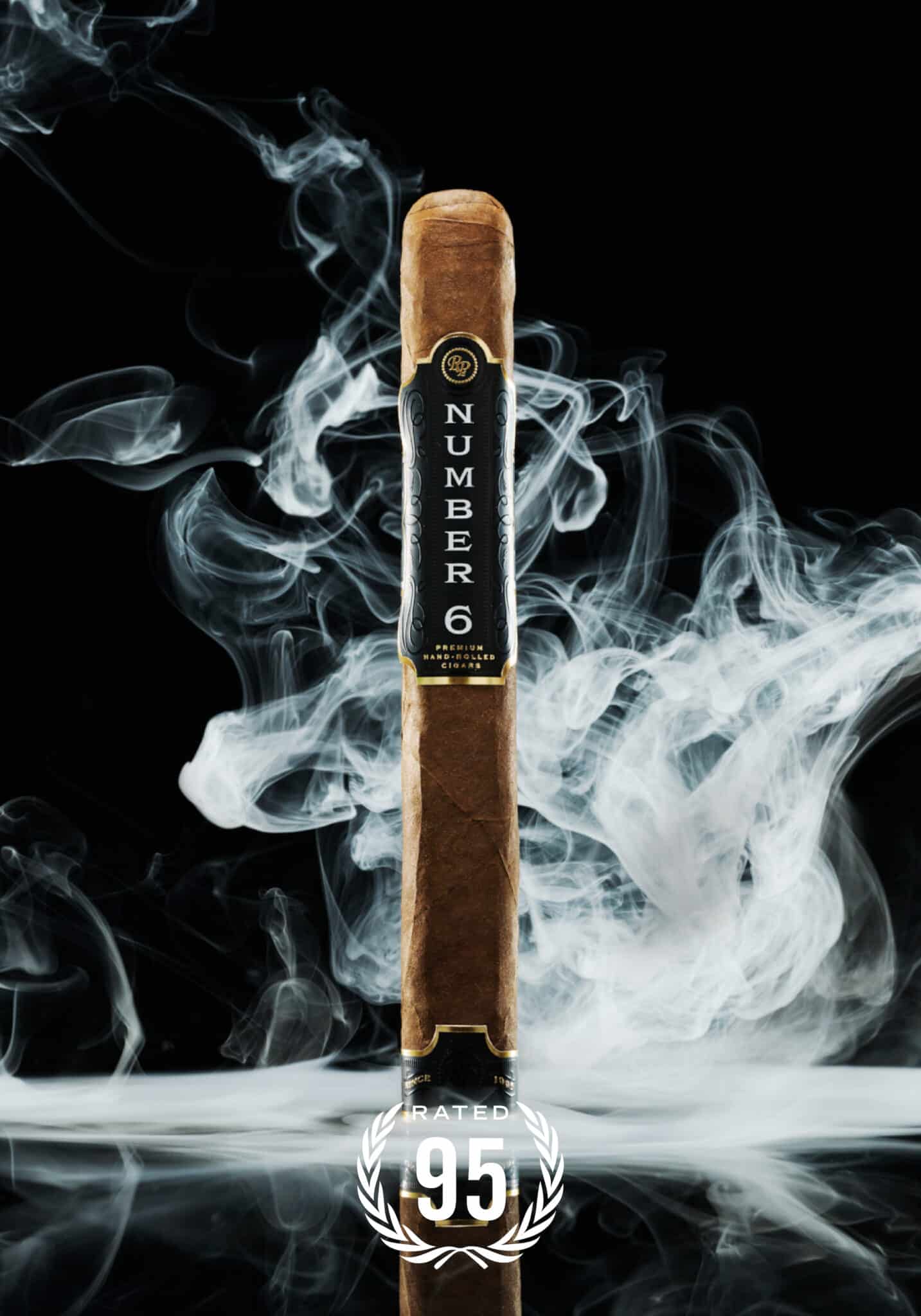
Rocky Patel Number 6

Note: This content is intended for adults only. Tobacco products carry health risks.

Introduction – two Rocky Patel cigars built around very different ideas

Put Rocky Patel Number 6 and Rocky Patel DBS next to each other and the visual difference is immediate.

Number 6 suggests balance and accessibility.

DBS appears darker, denser and more mysterious.

Yet the real difference goes much deeper than color.

It lies in the architecture of the blend.

Number 6 is built around Honduran tobacco and a Honduran Corojo wrapper, with Rocky Patel emphasizing a balance between sweetness and pepper.

DBS stands for Double Broadleaf Selection. Interestingly, however, its wrapper is not Broadleaf. The cigar uses a Mexican San Andrés wrapper, while two different Broadleaf tobaccos are incorporated deeper inside the blend.

That gives us a fascinating comparison:

Honduran Corojo and a relatively focused Honduran composition

versus

Mexican San Andrés supported by Pennsylvania and Nicaraguan Broadleaf.

Number 6 teaches us about balance.

DBS teaches us about blend architecture.

And comparing the two can completely change the way we think about premium cigars.

1. Rocky Patel Number 6 – where does the name come from?

The name has an interesting connection to the blending process.

During cigar development, experimental tobacco combinations can be divided into numbered groups or samples. According to Rocky Patel’s description of Number 6, the blend identified as No. 6 impressed the team enough that the development number ultimately became the commercial name.

That tells us something important.

The cigar was not necessarily created simply to fit an existing marketing concept.

The blend came first.

Its identity followed.

This is a useful example of how cigar development and branding can interact.

2. What does DBS actually mean?

DBS stands for:

Double Broadleaf Selection.

The obvious assumption would be that DBS uses a Broadleaf wrapper.

It does not.

The wrapper is Mexican San Andrés.

The Broadleaf component appears underneath:

Pennsylvania Broadleaf is used within the binder structure;

Nicaraguan Broadleaf appears in the filler.

This is one of the reasons DBS is such an interesting cigar from an educational perspective.

It demonstrates an essential principle:

Never judge the entire blend from the wrapper alone.

Sometimes the defining character of a cigar comes from tobacco that we cannot even see.

3. The architecture of Number 6

Number 6 is built around a strongly Honduran identity:

Wrapper: Honduran CorojoBinder: HonduranFiller: HonduranOrigin: HondurasStrength: Medium

Its character is commonly presented around the interaction between:

sweetness and pepper.

This relatively focused architecture is important.

A blend does not need tobacco from four or five countries to become interesting.

A master blender can create complexity through the interaction of different primings, fermentation levels, tobacco characteristics and proportions even within a geographically concentrated blend.

Number 6 is therefore an excellent lesson in coherence.

4. The architecture of DBS

DBS takes almost the opposite approach.

Its composition combines:

Wrapper: Mexican San AndrésBinder: Nicaragua + Pennsylvania BroadleafFiller: Honduras + Nicaraguan Broadleaf

Now we are working across several tobacco traditions.

Mexico contributes San Andrés.

Pennsylvania contributes Broadleaf.

Nicaragua contributes both tobacco and Broadleaf character.

Honduras contributes filler tobacco.

This means the blender must balance far more than flavor alone.

He must consider:

combustion;

elasticity;

tobacco thickness;

strength;

sweetness;

bitterness;

spice;

smoke density;

finish;

construction.

DBS is therefore a particularly good cigar for understanding what we mean by blend architecture.

5. Corojo vs San Andrés – the first major difference

At wrapper level, the comparison is simple:

Number 6 → Honduran Corojo

DBS → Mexican San Andrés

Corojo is often associated with aromatic families such as:

spice;

pepper;

cedar;

tobacco sweetness;

earth.

San Andrés may suggest:

cocoa;

earth;

dark sweetness;

coffee;

mineral notes;

roasted character;

spice.

But these are tendencies, not formulas.

It would be incorrect to say:

Corojo always tastes like pepper.

Or:

San Andrés always tastes like chocolate.

The final cigar is the result of the entire blend.

That is exactly why Number 6 vs DBS is such a useful comparison.

6. Number 6 – understanding sweetness and pepper

Number 6 gives the smoker a relatively clear sensory framework.

Think about two opposing elements:

sweetness ↔ pepper

Then watch how they interact.

Does sweetness dominate the opening?

Does pepper appear primarily on the retrohale?

Does the cigar become earthier in the second third?

Does sweetness remain through the finish?

This makes Number 6 particularly useful for someone learning how to describe cigars.

Instead of trying to identify fifteen different flavors immediately, begin with two fundamental axes.

Then expand.

7. DBS – why one word is not enough

DBS requires a somewhat different approach.

There is San Andrés outside.

Pennsylvania Broadleaf deeper in the construction.

Nicaraguan Broadleaf in the filler.

Honduran and Nicaraguan tobacco interacting inside.

Instead of asking only:

“Is it sweet?”

ask:

“What kind of sweetness?”

Instead of:

“Is it strong?”

ask separately:

“How strong is it?”

“How full is the body?”

“How dense is the flavor?”

This distinction becomes essential as your cigar experience develops.

DBS encourages more analytical smoking.

8. Why the wrapper does not tell the whole story

Many consumers naturally begin with the wrapper.

Connecticut.

Corojo.

Habano.

Maduro.

San Andrés.

Broadleaf.

This is useful, but incomplete.

DBS is almost a perfect demonstration of why.

The cigar is called Double Broadleaf Selection, yet the wrapper itself is San Andrés.

The defining Broadleaf concept sits underneath.

Therefore:

The wrapper is the cover of the book, not the entire book.

Binder and filler influence:

combustion;

body;

strength;

texture;

sweetness;

aromatic density;

finish.

A knowledgeable cigar smoker eventually learns to look beyond color and wrapper terminology.

9. Which is easier for a beginner to understand?

For most people:

Number 6.

Not because DBS is somehow reserved for experts.

Number 6 simply provides a cleaner sensory roadmap.

Medium strength.

Corojo.

Sweetness.

Pepper.

These are relatively easy concepts to follow during a tasting.

Someone moving from milder cigars toward more expressive medium blends can therefore use Number 6 as a reference point.

Once that reference exists, DBS becomes more informative.

10. Which is more interesting for an intermediate smoker?

This is where DBS becomes particularly compelling.

An intermediate smoker begins asking different questions.

Not merely:

“Do I like it?”

but:

“Why does it taste this way?”

Or:

“What is creating this density?”

Or:

“Is that dark sweetness coming from the wrapper or from the Broadleaf underneath?”

DBS provides material for these questions.

Number 6 can then function as the control sample:

focused, balanced, coherent.

DBS becomes:

layered, structural, exploratory.

11. Number 6 Robusto vs DBS Robusto – the ideal comparison

This is one of the most useful aspects of the two lines.

Number 6 Robusto:

5½ × 50

DBS Robusto:

5½ × 50

The nominal dimensions are identical.

That makes them excellent candidates for comparative tasting.

Same manufacturer.

Same format.

Very different blends.

Smoke them on different days under similar conditions.

Now you have minimized one important variable:

vitola geometry.

The remaining differences become much easier to study.

12. Toro vs Toro – studying transitions

The same opportunity exists with Toro:

Number 6 Toro: 6½ × 52

DBS Toro: 6½ × 52

Toro gives the blend more time to develop.

Pay attention to three stages.

First third

What establishes the identity?

Second third

Does the cigar introduce new notes?

Final third

Does strength increase? Does sweetness remain? Does pepper intensify?

Robusto often answers:

“What does this blend taste like?”

Toro can answer:

“How does this blend evolve?”

13. Sixty vs Sixty – studying a larger ring gauge

The comparison continues:

Number 6 Sixty: 6 × 60

DBS Sixty: 6 × 60

This provides a fascinating experiment.

Compare:

Number 6 Robusto vs DBS Robusto.

Then:

Number 6 Toro vs DBS Toro.

Finally:

Number 6 Sixty vs DBS Sixty.

After six separate tasting sessions, you will have explored two variables simultaneously:

blend composition

and

vitola geometry.

That is far more educational than simply smoking six unrelated cigars.

14. Number 6 offers another option: Corona

Number 6 also includes a narrower Corona format:

6 × 44.

A smaller ring gauge changes the mathematical relationship between wrapper surface and internal tobacco volume.

That does not automatically mean:

stronger,

more aromatic,

or better.

It means:

different proportions.

For someone studying Honduran Corojo, comparing Number 6 Corona against Robusto and Toro can be an excellent experiment.

15. Sweetness – not all sweetness is the same

One of the most useful tasting exercises is learning to differentiate types of sweetness.

With Number 6, ask whether the sweetness reminds you of:

honey;

caramel;

cereal;

sweet tobacco;

toasted nuts.

With DBS, you might explore darker associations:

molasses;

brown sugar;

cocoa;

dark chocolate;

roasted coffee.

These descriptors are not mandatory answers.

If you do not taste chocolate, nothing is wrong.

The objective is to move beyond:

“This cigar is sweet.”

toward:

“What kind of sweetness am I experiencing?”

16. Pepper – intensity is only part of the story

Pepper can appear in several ways.

It may be:

immediate;

subtle;

nasal on the retrohale;

persistent on the finish;

increasing toward the final third.

Number 6 provides a particularly useful framework because pepper is part of its recognized sensory identity.

With DBS, examine how spice interacts with darker, denser elements.

Two cigars can deliver similar pepper intensity but feel completely different because of texture and body.

17. Earth, cocoa and roasted notes – exploring DBS

The combination of San Andrés and Broadleaf makes DBS particularly interesting for exploring darker aromatic families.

Look for possible associations with:

earth;

cocoa;

coffee;

dark sweetness;

roasted nuts;

leather;

mineral character;

spice.

Again, these are reference points rather than a checklist.

A tasting note should describe your perception, not reproduce somebody else’s review.

The important question is whether DBS feels:

darker, denser or more layered

than Number 6.

If it does, try to identify exactly what creates that impression.

18. Body – one of the most important comparisons

Body and strength are not the same thing.

Number 6 is positioned in the medium range.

But when comparing Number 6 and DBS, do not simply ask which is stronger.

Create two separate scales.

Strength

How much physiological intensity do you perceive?

Body

How full, dense and weighty does the smoke feel?

Use a simple 1–5 score.

You may discover that a cigar can feel extremely full in flavor while not producing an equally high nicotine impact.

This distinction is fundamental to serious cigar tasting.

19. Strength – avoid assumptions

Dark wrapper does not automatically mean strong cigar.

Broadleaf does not automatically mean strong cigar.

San Andrés does not automatically mean strong cigar.

And a lighter-looking Corojo cigar is not automatically mild.

Strength comes from the entire blend, including tobacco type, priming, processing and proportions.

Therefore, never judge DBS simply by its darker visual identity.

Smoke it.

Evaluate it.

Separate:

strength

from:

body

and:

flavor intensity.

20. Complexity – does DBS automatically win?

No.

A cigar containing tobacco from more countries is not automatically more complex.

Complexity means meaningful development.

Ask:

Does the profile change?

Are there transitions?

Do different notes appear and disappear?

Does the finish evolve?

Does the cigar remain coherent?

Number 6 can create complexity through balance.

DBS can create complexity through layering.

The relevant question is not:

“How many tobaccos are listed?”

It is:

“How much meaningful evolution do I experience?”

21. Complexity vs consistency

These concepts are also different.

A cigar can be highly complex but somewhat unpredictable.

Another can be less dramatic but extremely coherent from beginning to end.

Number 6 is especially interesting because its appeal is strongly tied to balance.

DBS invites the smoker to examine interaction between several distinct tobacco components.

Neither philosophy is inherently superior.

They serve different experiences.

22. Why Number 6 became an important Rocky Patel line

Number 6 has received substantial recognition in the premium cigar world, including a strong Cigar Aficionado evaluation and placement among highly ranked cigars.

That history matters because it demonstrates that balance can be as impressive as raw power.

The lesson is useful:

A premium cigar does not need to be the darkest, strongest or most aggressive cigar in the humidor to become memorable.

Sometimes precision wins.

23. Why the DBS name matters

The name Double Broadleaf Selection forces us to look inside the cigar.

That is important because consumers often shop visually.

They see:

wrapper color,

band design,

size.

DBS challenges this habit.

Its identity tells us to pay attention to tobacco underneath the wrapper.

That makes DBS a particularly useful cigar for understanding:

wrapper → binder → filler

as a system rather than three isolated specifications.

24. Which should you choose as your first medium Rocky Patel?

Between these two, Number 6 is the more straightforward starting point.

Choose it if you want:

a medium profile;

Honduran Corojo;

clear sweetness/pepper interaction;

an approachable but characterful Rocky Patel;

several vitolas for comparative tasting.

It creates a useful baseline.

Once you understand that baseline, more complicated blends become easier to interpret.

25. What should you try after Number 6?

DBS is a logical contrast.

Not necessarily because it is simply “the next level.”

The more important reason is that it changes the architecture.

You move from:

Corojo → San Andrés

and from:

predominantly Honduran construction → multinational blend

and from:

sweetness/pepper balance → Broadleaf-driven structural exploration.

Think of DBS as a different lesson rather than merely a stronger cigar.

26. What if you love Corojo?

Choose Number 6.

Then use the vitolas to educate your palate.

Try:

Corona → Robusto → Toro

or:

Robusto → Toro → Sixty.

Keep notes.

Ask how the same core blend changes with geometry.

Afterward, try DBS.

The contrast with San Andrés becomes much more meaningful when you already know the Corojo reference.

27. What if you want to understand Broadleaf?

Choose DBS.

But remember:

the wrapper itself is not Broadleaf.

The educational exercise is precisely to study how Broadleaf can influence a cigar from underneath the wrapper.

Write down:

Wrapper: Mexican San Andrés

Binder: includes Pennsylvania Broadleaf

Filler: includes Nicaraguan Broadleaf

Then evaluate:

body;

earth;

dark sweetness;

roasted character;

texture;

finish.

This is an exercise in understanding the entire blend.

28. Pairing – what should you drink?

For the first serious comparison:

water.

It is boring only if the objective is entertainment.

For sensory analysis, it is extremely useful.

Once you understand the cigars individually, pairing becomes more interesting.

Number 6

A medium-roast coffee can complement its sweetness and spice.

DBS

A richer coffee may interact well with darker roasted and earthy families.

But always remember:

A pairing changes perception.

Learn the cigar first.

Then learn the pairing.

29. The ideal three-session experiment

Session 1 – Number 6 Robusto

Focus on:

sweetness;

pepper;

body;

finish.

Session 2 – DBS Robusto

Focus on:

dark sweetness;

earth;

texture;

Broadleaf-related depth;

finish.

Session 3 – return to Number 6 Robusto

Why return?

Because sensory memory improves through:

comparison → contrast → return.

You may notice characteristics during the second Number 6 that were invisible during the first.

30. The complete six-cigar experiment

For a more advanced comparison:

Number 6 Robusto

DBS Robusto

Number 6 Toro

DBS Toro

Number 6 Sixty

DBS Sixty

Score every cigar for:

cold draw;

sweetness;

pepper;

earth;

body;

strength;

texture;

complexity;

finish;

combustion;

draw.

Do not smoke them all in one day.

The objective is education, not endurance.

31. Common mistakes when comparing Number 6 and DBS

Mistake 1: “DBS has a Broadleaf wrapper.”

No. DBS uses Mexican San Andrés outside. The Broadleaf concept appears deeper in the blend.

Mistake 2: “Number 6 is simple because it is predominantly Honduran.”

Geographical concentration does not mean aromatic simplicity.

Mistake 3: “More countries automatically mean more complexity.”

They do not.

Mistake 4: “DBS must automatically be stronger.”

Never infer strength solely from color or Broadleaf terminology.

Mistake 5: “Corojo always means pepper.”

Corojo can express many aromatic families.

Mistake 6: “San Andrés automatically means Maduro.”

Variety, origin and processing are separate concepts.

Mistake 7: “One cigar must win.”

Not necessarily.

The two blends serve different purposes.

32. Number 6 vs DBS – quick comparison

Characteristic

Number 6

DBS

Wrapper

Honduran Corojo

Mexican San Andrés

Binder

Honduran

Nicaragua + Pennsylvania Broadleaf

Filler

Honduran

Honduras + Nicaraguan Broadleaf

Core idea

Balance

Layered architecture

Key study

Sweetness vs pepper

San Andrés + Double Broadleaf

Robusto

5½ × 50

5½ × 50

Toro

6½ × 52

6½ × 52

Sixty

6 × 60

6 × 60

Best educational use

Understanding balance

Understanding binder/filler influence

33. FAQ – Rocky Patel Number 6 vs DBS

What does Number 6 mean?

The name comes from the numbered blend sample selected during development.

What does DBS mean?

Double Broadleaf Selection.

Does DBS use a Broadleaf wrapper?

No. It uses a Mexican San Andrés wrapper.

Where is Broadleaf used in DBS?

Pennsylvania Broadleaf appears in the binder structure, while Nicaraguan Broadleaf is incorporated in the filler.

What wrapper does Number 6 use?

Honduran Corojo.

Which is easier for beginners?

Number 6 generally offers a clearer starting point because of its balanced medium profile.

Which is more interesting for experienced smokers?

DBS can be especially educational for smokers interested in understanding the interaction between wrapper, binder and filler.

Do Number 6 and DBS have the same Robusto dimensions?

Yes. Both are offered in 5½ × 50 Robusto formats.

And Toro?

Both are available as 6½ × 52 Toro.

And Sixty?

Both are available as 6 × 60.

Which should I choose if I like Corojo?

Number 6.

Which should I choose if I want to explore Broadleaf?

DBS.

Is darker automatically stronger?

No. Wrapper color is not a reliable measurement of nicotine strength.

Which is better?

The better question is which profile suits your objective.

Choose Number 6 for balance and Corojo expression.

Choose DBS to explore San Andrés and Broadleaf architecture.

34. Mister Tabaco verdict

Choose Number 6 if you want:

Honduran Corojo;

medium character;

sweetness and pepper;

balance;

an accessible introduction to more expressive Rocky Patel cigars.

Choose DBS if you want:

Mexican San Andrés;

Pennsylvania Broadleaf;

Nicaraguan Broadleaf;

a more layered blend architecture;

a cigar that encourages analytical tasting.

Compare both if you want:

to understand how two Rocky Patel cigars of exactly the same nominal vitola can produce very different experiences.

Conclusion – Number 6 explains balance; DBS explains blending

Rocky Patel Number 6 and DBS should not necessarily be viewed as competitors.

They are two different lessons.

Number 6 demonstrates how a premium medium cigar can develop personality through the relationship between:

sweetness and pepper.

DBS demonstrates something equally important:

the identity of a cigar does not live in the wrapper alone.

Binder and filler matter.

Broadleaf hidden underneath San Andrés can matter enormously.

That gives us two memorable formulas:

Number 6 = Corojo + Honduras + balance

DBS = San Andrés + Pennsylvania Broadleaf + Nicaraguan Broadleaf + architecture

And because both lines share Robusto, Toro and Sixty dimensions, they provide an unusually clean comparative experiment.

If you are beginning the journey:

Number 6.

If you already understand wrapper, binder and filler and want to explore deeper:

DBS.

If you want to learn as much as possible:

Number 6 Robusto → DBS Robusto → Number 6 Toro → DBS Toro → Number 6 Sixty → DBS Sixty.

After completing that sequence, you may stop looking at premium cigars merely by wrapper color.

You will start thinking about the entire blend.

CTA – Mister Tabaco

Create your own Rocky Patel comparative tasting at Mister Tabaco.

Start with:

Number 6 Robusto → DBS Robusto

or choose the longer format:

Number 6 Toro → DBS Toro.

Keep the humidor conditions, drink and tasting method consistent, then compare:

sweetness, pepper, earth, body, strength, texture, complexity and finish.

Mister TabacoChișinău, str. Drumul Viilor 95+373 79 444 414

Mister Tabaco

At Mister Tabaco, you can turn theory into practical comparisons between blends, vitolas and origins.

Continue the Tobacco Guide

What Is Premium Tobacco and How Is It Different from Ordinary Tobacco?

Wrapper, Binder and Filler – the anatomy of a premium cigar

Corojo, Criollo, Connecticut, Habano, Sumatra, Broadleaf and San Andrés – A Guide to the Major Wrapper Families

Maduro Explained Properly – Color, Fermentation, Flavor and the Strength Myth

Ligero, Seco and Volado – how leaf position changes a premium cigar

How Cigar Tobacco Is Grown – From Seed to Harvest

Tobacco Fermentation – The Process That Transforms the Leaf

Tobacco Aging – Why Some Cigar Leaves Are Aged for Years

Nicaragua vs Honduras vs Dominican Republic vs Ecuador vs Mexico – How Terroir Changes Cigar Tobacco and Flavor

How a Master Blender Creates a Cigar

Shade-Grown vs Sun-Grown: How Light Changes a Cigar Wrapper

Long Filler vs Short Filler – The Real Differences in Cigar Construction

Strength vs Body vs Flavor – How to Describe a Cigar Correctly

How Vitola Changes Cigar Flavor: Robusto vs Toro vs Churchill vs Sixty

How to Choose Your First Premium Cigar – A Complete Beginner’s Guide

How to Taste a Premium Cigar and Identify Aromas

How to Store Cigars Properly: Humidor, Temperature and Humidity

Common Mistakes That Can Ruin the Experience of a Premium Cigar

Rocky Patel Guide: Differences Between the Main Collections at Mister Tabaco

Rocky Patel Vintage 1990 vs Vintage 1999: Aged Broadleaf or Delicate Connecticut?

Rocky Patel Number 6 vs DBS: Balanced Corojo or Broadleaf Architecture?

Rocky Patel SIXTY vs A.L.R. Second Edition: Two San Andrés Interpretations, Two Aging Philosophies

Rocky Patel Edge 20th Anniversary and the Role of Aged Tobacco: What Time Can Do to a Premium Wrapper

How to Choose a Rocky Patel by Experience, Strength and Flavor Profile

Explore the Cigar Guide

How to Choose Your First Cigar

Which Rocky Patel Cigar Should You Choose as a Beginner?

How to Smoke a Cigar Properly

Robusto, Toro or Churchill? Cigar Size Guide

How to Store Cigars Properly

Cuba vs Nicaragua vs Dominican Republic vs Honduras

How to Identify Cigar Flavors

Cigar Pairing with Whisky, Rum, Cognac or Coffee

10 Common Cigar Mistakes Beginners Make

How to Choose a Cigar as a Gift or for a Special Occasion

Tobacco products are intended for adults only. Smoking seriously damages your health.

Posted on Leave a comment

Rocky Patel SIXTY vs A.L.R. Second Edition: Two San Andrés Interpretations, Two Aging Philosophies

Rocky Patel SIXTY

Note: For adults only. Tobacco products carry health risks.

Introduction – if both use San Andrés and both are aged for two years, why are they so different?

At first glance, Rocky Patel SIXTY and A.L.R. Second Edition seem remarkably similar.

Both are made in Nicaragua.

Both use a San Andrés wrapper.

Both have an important story built around approximately two years of aging after rolling.

Both are available in the same three core vitolas:

Robusto 5½ × 50Toro 6½ × 52Sixty 6 × 60

They even occupy similarly prestigious positions within the Rocky Patel portfolio.

It would be easy to assume that these are simply two versions of the same concept.

They are not.

SIXTY is positioned in the Medium range and combines a San Andrés wrapper with a Nicaraguan core. Its identity is strongly connected to extended post-roll maturation and Rocky Patel’s 60th birthday concept.

A.L.R. Second Edition moves into Medium-Full territory. Its name means:

Aged. Limited. Rare.

The blend was designed around deliberate aging before release, and the internal recipe is intentionally kept undisclosed.

So the real question is not:

“Which one has more aging?”

The better question is:

“How can two cigars using similar concepts of time and the same wrapper family produce such different smoking experiences?”

That is where the comparison becomes interesting.

1. SIXTY – a cigar built around the 60th birthday concept

SIXTY was developed as an anniversary project connected to Rocky Patel’s 60th birthday.

That concept matters because the cigar’s story revolves around maturity.

Not simply the age of the founder.

The maturity of the tobacco and the finished cigar as well.

After rolling, SIXTY is given extended time to rest before release.

This introduces an important distinction.

There are at least two different forms of “time” involved in premium cigar production:

the time individual leaves spend in curing, fermentation and aging;

the time the finished cigar spends resting after rolling.

The second is often underestimated.

Once wrapper, binder and filler are brought together, the finished cigar can require additional time for its components to integrate.

SIXTY is a very useful example of post-roll maturation.

2. A.L.R. – the philosophy is already inside the name

A.L.R. stands for:

Aged. Limited. Rare.

This is not simply decorative branding.

The line was intentionally developed around limited production and significant aging before release.

The core idea is that time should not merely happen in the background.

It should become part of the identity of the cigar.

If SIXTY says:

“This anniversary blend has been given substantial time to integrate,”

A.L.R. says:

“Aging is so central to this cigar that it belongs in the name.”

That philosophical difference is important.

SIXTY uses aging as part of an anniversary expression.

A.L.R. uses aging as one of the principal reasons the product exists.

3. Their first major similarity: San Andrés

Both cigars use a San Andrés wrapper.

That gives us a particularly clean comparison.

We are not comparing:

Connecticut vs Maduro,

or:

Corojo vs Broadleaf.

We begin with an important external variable held relatively constant.

This teaches a fundamental lesson:

The same wrapper family does not create the same cigar.

Even when two cigars share San Andrés, the internal blend can completely reshape:

strength;

body;

sweetness;

spice;

texture;

combustion;

finish.

San Andrés is the common starting point.

It is not the final answer.

4. What do we know about the SIXTY blend?

SIXTY can be understood in relatively clear structural terms:

Origin: NicaraguaWrapper: San AndrésBinder: NicaraguaFiller: NicaraguaStrength: MediumPost-roll aging: extended maturation before release

This creates a relatively focused architecture.

Mexican San Andrés outside.

Nicaraguan tobacco underneath.

That allows SIXTY to be viewed as:

San Andrés wrapped around a Nicaraguan core that receives extended rest after rolling.

The structure looks straightforward on paper.

But a straightforward composition does not mean a simple flavor experience.

5. What do we know – and not know – about A.L.R.?

A.L.R. Second Edition gives us a different situation.

We know several important things:

it is made in Nicaragua;

it uses San Andrés wrapper;

it is positioned as Medium-Full;

aging before release is central to the project;

it is offered in Robusto, Toro and Sixty;

it was conceived as a limited production project.

But the internal blend is intentionally not fully disclosed.

That matters editorially.

We should not fill in the missing information with assumptions.

We do not need to invent the binder.

We do not need to invent the filler.

Instead, we can analyze what is actually known:

San Andrés + Nicaragua + Medium-Full + aging + box-pressed construction.

The rest remains where the producer intended it to remain:

secret.

6. A.L.R. Second Edition and box-pressed construction

One additional difference is construction.

A.L.R. Second Edition is known for its box-pressed form.

Box pressing takes a traditionally cylindrical cigar and gives it a more squared or rectangular profile.

For the smoker, the most obvious effects are:

different feel in the hand;

different feel between the lips;

greater stability when set down;

a distinct tactile identity.

Some smokers may also perceive draw and combustion differently depending on how the cigar is constructed.

But one oversimplification should be avoided:

“Box-pressed means more flavor.”

Not necessarily.

Box pressing is a construction choice.

It is not an automatic quality or intensity upgrade.

7. Medium vs Medium-Full – the most immediate difference

The simplest official distinction is strength positioning.

SIXTY

Medium

A.L.R. Second Edition

Medium-Full

This matters.

But it should not be interpreted as:

SIXTY = weak.

A.L.R. = strong.

A better way is to think of a progression.

SIXTY sits in a zone where an intermediate smoker can explore a rich San Andrés profile without making nicotine strength the central feature of the session.

A.L.R. moves one step higher.

For a smoker who is sensitive to nicotine impact, that difference may meaningfully affect which cigar should be tasted first.

8. The logical tasting order: SIXTY → A.L.R.

If you are tasting these lines for the first time, a useful sequence is:

SIXTY first.

Then:

A.L.R. Second Edition.

Why?

Because you move:

Medium → Medium-Full.

This makes it easier to notice what A.L.R. adds.

If you begin with the more intense blend and immediately move backward, some of SIXTY’s subtler qualities may be harder to perceive.

Still, do not smoke them back-to-back.

Ideally use:

the same vitola;

similar storage conditions;

the same neutral drink;

separate days.

This creates a much cleaner comparison.

9. Robusto vs Robusto – the ideal starting point

This is one of the greatest advantages of the pair.

SIXTY Robusto:

5½ × 50

A.L.R. Second Edition Robusto:

5½ × 50

The nominal dimensions match.

That allows us to control several variables:

length;

ring gauge;

producer;

wrapper family;

Nicaraguan production;

extended aging concept.

What remains highly interesting is:

blend + construction + strength.

For a serious comparison, this is probably the best starting point.

10. Toro vs Toro – more time to observe transitions

Both are also available in:

Toro 6½ × 52

Toro provides a longer session and therefore more time to study development.

Divide the experience into:

First third

Basic identity.

Second third

Transitions and new layers.

Final third

Concentration and increasing intensity.

Record separately:

sweetness;

pepper;

earth;

coffee;

cocoa;

creaminess;

body;

strength;

finish.

Toro can reveal not just how the cigars begin, but how differently they develop.

11. Sixty vs Sixty – the name SIXTY does not automatically make it superior in 6 × 60

SIXTY naturally offers a Sixty vitola.

But so does A.L.R. Second Edition.

Both can therefore be compared in:

6 × 60.

There is an easy mistake to make here:

“SIXTY must be most authentic in the Sixty size.”

Not necessarily.

SIXTY also exists in Robusto and Toro.

The line name comes from the anniversary concept, not from a requirement to smoke only the 6 × 60.

That gives the enthusiast freedom to study the blend through several geometries.

12. Aging and fermentation are not the same thing

This comparison is a good opportunity to correct another common misunderstanding.

Fermentation and aging are not the same process.

Fermentation is part of transforming tobacco leaf chemically and reducing undesirable compounds.

Aging is a slower period of development and integration.

When discussing the long resting period of SIXTY and A.L.R., we are talking about finished cigars resting after rolling, not the original fermentation of raw tobacco leaves.

That distinction is essential.

A cigar can contain properly fermented tobacco and still benefit from additional rest after construction.

13. What can post-roll aging actually do?

Once the cigar is rolled, wrapper, binder and filler each bring their own characteristics into one structure.

Time can allow those elements to become better integrated.

In sensory terms, you might look for:

smoother transitions;

less aggressive spice;

better-integrated sweetness;

a more coherent finish;

fewer rough edges;

more unified texture.

This does not mean every aged cigar automatically improves.

But SIXTY and A.L.R. are both built around the idea that extended rest after rolling matters.

14. SIXTY – what should you look for aromatically?

SIXTY naturally invites attention toward darker roasted and sweeter families.

Useful reference points include:

caramel;

coffee;

espresso;

cocoa;

earth;

sweet spice;

roasted nuts.

But these should never become mandatory answers.

If you taste:

coffee + wood + pepper

write exactly that.

Do not invent caramel simply because someone else used that word.

A tasting note should describe the cigar you experienced, not the review you remembered.

15. A.L.R. – tasting a blend whose internal recipe is intentionally hidden

A.L.R. becomes particularly interesting because the internal recipe is not fully revealed.

You cannot confidently say:

“This note comes from filler X.”

You do not know.

Instead, analyze what you can actually perceive:

density;

strength;

body;

sweetness;

earth;

spice;

roasted character;

cocoa;

finish;

transitions.

This creates an almost semi-blind tasting situation.

You know the wrapper.

You know the origin.

You know the strength category.

You know the aging concept.

But you do not know every internal component.

That makes A.L.R. especially educational.

16. SIXTY – a study in integration

The central question I would ask with SIXTY is:

“How well are the flavors integrated within a medium-strength cigar?”

I would not chase maximum power.

I would look for:

harmony;

roundness;

sweetness;

smoke texture;

clean transitions;

finish.

SIXTY shows that long resting periods are not reserved only for aggressive full-bodied cigars.

A medium blend can also use time to improve coherence and refinement.

17. A.L.R. – integration under greater intensity

With A.L.R. the question changes:

“Can aging keep a Medium-Full blend controlled and refined?”

The intensity is higher.

Therefore, pay attention to:

whether pepper stays elegant;

whether body increases without harshness;

whether sweetness survives;

whether the finish remains coherent;

whether the final third overheats easily.

A.L.R. is useful for smokers who assume:

Medium-Full must mean aggressive.

It does not.

Strength and harshness are different concepts.

18. Smoothness does not mean mild

This pair perfectly illustrates the difference between:

Strength

Body

Flavor

A cigar can feel very smooth and still be Medium-Full.

Another cigar can be Medium but deliver very high flavor intensity.

Therefore:

SIXTY

Medium strength can still produce substantial body and flavor.

A.L.R.

Medium-Full can remain polished and integrated after significant aging.

Do not estimate strength solely from how “soft” or “smooth” the smoke feels.

19. What does the A.L.R. box press change in practice?

The clearest differences are physical.

A box-pressed cigar:

feels different between the fingers;

rests differently in the mouth;

has a distinctive geometry;

does not roll easily when placed down.

Some smokers also enjoy how box-pressed cigars feel during longer sessions.

But again:

box-pressed does not mean objectively better.

It simply becomes another design variable.

The correct question is:

“Do I personally enjoy this geometry?”

20. Identical high ratings do not mean identical cigars

Both lines have received major recognition and very high scores.

That is interesting context.

But it would be wrong to conclude:

“If both received similar ratings, they must be equally good in the same way.”

Ratings do not work like that.

Two restaurants can receive the same score and serve completely different cuisines.

Two cigars can receive the same numerical evaluation and deliver completely different experiences.

The rating tells you that reviewers found significant quality.

It does not tell you which cigar your palate will prefer.

21. Which one is more complex?

We cannot answer this simply by looking at strength.

A.L.R. is Medium-Full.

That does not automatically make it more complex.

Complexity should be judged through:

layering;

transitions;

development;

finish;

coherence.

SIXTY may deliver a very elegant form of complexity precisely because it stays in a Medium range.

A.L.R. may deliver a denser, more intense form.

The verdict must come from tasting.

22. Which one is more suitable for a beginner?

Between the two:

SIXTY.

Not necessarily for someone who has never smoked a premium cigar before. For a complete beginner, an even milder line such as Vintage 1999 may be a more logical first step.

But for someone who already understands mild and medium cigars, SIXTY is generally a more natural introduction than A.L.R.

The reason is simple:

Medium vs Medium-Full.

A.L.R. can come afterward.

23. Which one is better for an intermediate smoker?

It depends on what the smoker wants to study.

If the goal is:

San Andrés + aging + Medium + integration

→ SIXTY.

If the goal is:

San Andrés + Medium-Full + box press + secret blend + aging

→ A.L.R.

That distinction matters.

This is not simply:

beginner = SIXTY;

expert = A.L.R.

A better question is:

“What do you want to learn from the cigar?”

24. Which one is more interesting for an experienced smoker?

Ideally:

both.

This pair is unusually good for experienced comparative tasting because so many variables can be held relatively constant.

Both involve:

Nicaragua;

San Andrés;

long post-roll aging;

Robusto, Toro and Sixty formats.

But they differ in:

strength;

construction;

blend transparency;

box-pressed vs more traditional geometry.

That is exactly the kind of comparison an experienced palate can learn from.

25. What if I like San Andrés but do not want something too intense?

Choose:

SIXTY.

Its Medium positioning makes it the more logical starting point.

Begin with Robusto.

Then try Toro.

If you enjoy the direction and want more intensity:

move to A.L.R. Robusto.

That creates a coherent progression.

26. What if I specifically want Medium-Full plus aging?

Choose:

A.L.R. Second Edition.

The line explicitly combines:

Aged. Limited. Rare.

with a Medium-Full position and extended aging before release.

It is particularly logical for someone who says:

“I want aging to be a central part of the product, not just a background detail.”

27. How should you taste them properly?

Do not smoke them on the same day if the goal is serious comparison.

Day 1

SIXTY Robusto.

Day 2 or 3

A.L.R. Second Edition Robusto.

Try to keep:

similar RH;

the same neutral water;

a relatively neutral palate;

similar food context;

no aggressive pairing;

the same tasting sheet.

Record:

StrengthBodyFlavor IntensitySweetnessPepperCoffeeCocoaEarthTextureComplexityFinish

Then compare.

28. The full Robusto → Toro → Sixty experiment

For a complete comparison:

SIXTY Robusto

A.L.R. Robusto

SIXTY Toro

A.L.R. Toro

SIXTY Sixty

A.L.R. Sixty

This is one of the cleanest comparative series in the Rocky Patel portfolio because the nominal dimensions align across all three pairings.

After six sessions, you will be able to distinguish more accurately whether your preference comes from:

blend;

strength;

construction;

vitola.

That is far more informative than simply saying:

“I like A.L.R. more.”

29. Pairing – do not start with whisky

If your objective is educational:

water.

Once you understand both cigars individually, pairing becomes more useful.

SIXTY

A medium-to-dark roast coffee can work especially well if you perceive coffee, caramel or roasted sweetness.

A.L.R.

Its Medium-Full structure may support a somewhat more intense pairing.

But pairing should never become a competition.

If the drink dominates completely, you are no longer analyzing the cigar.

30. Common mistakes when comparing SIXTY and A.L.R.

“Both use San Andrés, so they should taste alike”

False.

“Both are aged extensively, so they are almost the same concept”

False.

“A.L.R. is better because it is stronger”

False.

“SIXTY 6 × 60 is the only authentic SIXTY”

False.

“A.L.R. definitely has a specific filler because it is Nicaraguan-made”

Do not assume an undisclosed recipe.

“Box-pressed automatically means more flavor”

False.

“Similar ratings mean I should like both equally”

False.

31. Quick comparison – SIXTY vs A.L.R. Second Edition

Characteristic

SIXTY

A.L.R. Second Edition

Origin

Nicaragua

Nicaragua

Wrapper

San Andrés

San Andrés

Binder

Nicaragua

Undisclosed

Filler

Nicaragua

Undisclosed

Strength

Medium

Medium-Full

Aging concept

Extended post-roll maturation

Extended aging before release

Main concept

60th birthday / maturity

Aged. Limited. Rare.

Shape

Traditional cigar format

Box-pressed

Robusto

5½ × 50

5½ × 50

Toro

6½ × 52

6½ × 52

Sixty

6 × 60

6 × 60

Best educational use

Integration at Medium strength

Integration at Medium-Full strength

32. FAQ – Rocky Patel SIXTY vs A.L.R.

Do both use San Andrés?

Yes.

Are both made in Nicaragua?

Yes.

Which is stronger?

A.L.R. Second Edition is positioned Medium-Full, while SIXTY is Medium.

Is SIXTY aged after rolling?

Yes. Extended post-roll maturation is a central part of the line.

Is A.L.R. aged before release?

Yes. Aging before release is a defining part of the concept.

What does A.L.R. mean?

Aged. Limited. Rare.

Is A.L.R. box-pressed?

Yes.

Is SIXTY weak because it is Medium?

No. Strength and flavor intensity are different dimensions.

Do they share the same core vitolas?

Yes:

Robusto 5½ × 50Toro 6½ × 52Sixty 6 × 60

Which should I taste first?

SIXTY first, then A.L.R., ideally in the same vitola.

Which is more complex?

That cannot be determined properly from specifications alone. Complexity should be evaluated through tasting.

What filler does A.L.R. use?

The full internal recipe is not publicly disclosed.

33. Mister Tabaco Flight – “San Andrés & Time”

For a concise educational tasting:

#1 SIXTY Robusto

Lesson: San Andrés + Medium + aging.

#2 A.L.R. Second Edition Robusto

Lesson: San Andrés + Medium-Full + box press + aging.

Then, for a deeper comparison:

#3 SIXTY Toro

Lesson: same blend, longer evolution.

#4 A.L.R. Toro

Lesson: Medium-Full development over a longer session.

This flight isolates an extremely important distinction:

same wrapper family

versus

different blend philosophy.

34. Mister Tabaco verdict

There is no universal winner.

Choose SIXTY if you want:

San Andrés;

Medium strength;

a Nicaraguan core;

extended post-roll maturation;

integrated flavor;

an approachable introduction to a more sophisticated San Andrés cigar.

Choose A.L.R. Second Edition if you want:

San Andrés;

Medium-Full;

significant aging;

box-pressed construction;

an Aged/Limited/Rare concept;

an intentionally undisclosed internal blend.

Compare both if you want:

to understand why two cigars can share the same wrapper family, origin, aging philosophy and vitolas yet deliver very different experiences.

Conclusion – the same outer leaf, two different ideas about maturity

SIXTY and A.L.R. Second Edition form one of the most interesting comparisons in the Rocky Patel portfolio.

On paper they share a remarkable amount:

Nicaragua.

San Andrés.

Extended aging after rolling.

Robusto, Toro and Sixty.

Yet that is exactly the lesson.

Shared specifications do not guarantee the same experience.

SIXTY can be summarized as:

Medium + San Andrés + Nicaraguan core + anniversary maturity concept.

A.L.R. as:

Medium-Full + San Andrés + secret internal blend + box press + Aged/Limited/Rare.

SIXTY teaches:

balance and integration.

A.L.R. teaches:

how aging can help a more intense blend remain controlled and coherent.

And perhaps the most important idea is this:

Aging is not a flavor.

You cannot literally taste “two years.”

What you can evaluate are the potential effects of time:

integration;

smoother transitions;

fewer rough edges;

texture;

balance;

finish.

So if both cigars are available, do not reduce the question to:

“Which one is better?”

Build the experiment:

SIXTY Robusto → A.L.R. Second Edition Robusto.

Same vitola.

Same wrapper family.

Same production country.

Similar aging philosophy.

But two different blends.

That is where comparative tasting becomes truly educational.

Mister Tabaco

At Mister Tabaco, you can turn theory into practical comparisons between blends, vitolas and origins.

Continue the Tobacco Guide

What Is Premium Tobacco and How Is It Different from Ordinary Tobacco?

Wrapper, Binder and Filler – the anatomy of a premium cigar

Corojo, Criollo, Connecticut, Habano, Sumatra, Broadleaf and San Andrés – A Guide to the Major Wrapper Families

Maduro Explained Properly – Color, Fermentation, Flavor and the Strength Myth

Ligero, Seco and Volado – how leaf position changes a premium cigar

How Cigar Tobacco Is Grown – From Seed to Harvest

Tobacco Fermentation – The Process That Transforms the Leaf

Tobacco Aging – Why Some Cigar Leaves Are Aged for Years

Nicaragua vs Honduras vs Dominican Republic vs Ecuador vs Mexico – How Terroir Changes Cigar Tobacco and Flavor

How a Master Blender Creates a Cigar

Shade-Grown vs Sun-Grown: How Light Changes a Cigar Wrapper

Long Filler vs Short Filler – The Real Differences in Cigar Construction

Strength vs Body vs Flavor – How to Describe a Cigar Correctly

How Vitola Changes Cigar Flavor: Robusto vs Toro vs Churchill vs Sixty

How to Choose Your First Premium Cigar – A Complete Beginner’s Guide

How to Taste a Premium Cigar and Identify Aromas

How to Store Cigars Properly: Humidor, Temperature and Humidity

Common Mistakes That Can Ruin the Experience of a Premium Cigar

Rocky Patel Guide: Differences Between the Main Collections at Mister Tabaco

Rocky Patel Vintage 1990 vs Vintage 1999: Aged Broadleaf or Delicate Connecticut?

Rocky Patel Number 6 vs DBS: Balanced Corojo or Broadleaf Architecture?

Rocky Patel SIXTY vs A.L.R. Second Edition: Two San Andrés Interpretations, Two Aging Philosophies

Rocky Patel Edge 20th Anniversary and the Role of Aged Tobacco: What Time Can Do to a Premium Wrapper

How to Choose a Rocky Patel by Experience, Strength and Flavor Profile

Explore the Cigar Guide

How to Choose Your First Cigar

Which Rocky Patel Cigar Should You Choose as a Beginner?

How to Smoke a Cigar Properly

Robusto, Toro or Churchill? Cigar Size Guide

How to Store Cigars Properly

Cuba vs Nicaragua vs Dominican Republic vs Honduras

How to Identify Cigar Flavors

Cigar Pairing with Whisky, Rum, Cognac or Coffee

10 Common Cigar Mistakes Beginners Make

How to Choose a Cigar as a Gift or for a Special Occasion

Tobacco products are intended for adults only. Smoking seriously damages your health.
Posted on 1 Comment

Rocky Patel Guide: Differences Between the Main Collections at Mister Tabaco

Rocky Patel Number 6

Note: For adults only. Tobacco products carry health risks.

Introduction – “Which Rocky Patel is the best?” is the wrong question

When ten Rocky Patel collections are sitting in front of you, the natural temptation is to create a ranking.

Which one is the best?

Which one is the strongest?

Which one is the most expensive?

Which one received the highest rating?

But that is exactly where the problem begins.

Rocky Patel does not simply reproduce one flavor profile under different bands. The portfolio stretches from the mild Vintage 1999 Connecticut to medium-full blends such as A.L.R. Second Edition and Disciple, moving through Honduran Corojo, aged Broadleaf, San Andrés, Ecuadorian Sumatra and even blends whose complete composition is intentionally kept confidential.

The useful question is therefore not:

“Which Rocky Patel is best?”

It is:

“Which Rocky Patel best matches my palate, my experience and the kind of session I want today?”

That is the purpose of this guide.

1. Why the Rocky Patel portfolio is so diverse

The modern Rocky Patel story developed after the Indian Tabac era, when the company increasingly built its identity around its founder’s name.

The Vintage family became one of the brand’s defining pillars, followed by an increasingly broad portfolio of Honduran and Nicaraguan cigars.

Two ideas are central to the way Rocky Patel presents its blending philosophy:

complexity and consistency.

Those ideas can appear contradictory.

Complexity often requires combining tobaccos from different regions, harvests and primings.

Consistency requires those combinations to continue delivering a recognizable identity from batch to batch.

This helps explain why two Rocky Patel collections can feel radically different even though both belong to the same brand.

2. The Mister Tabaco Rocky Patel map

For quick orientation, the assortment can be divided into several conceptual groups.

For a more delicate profile

Vintage 1999

For balance and broad accessibility

Vintage 1990Number 6Grand ReserveWhite Label

For greater density and complexity

SIXTY

For a more intense medium-full experience

A.L.R. Second EditionDisciple

For exploring Broadleaf and San Andrés

DBS

For aged tobacco and an anniversary concept

Edge 20th Anniversary

For exclusivity and old tobacco reserves

Conviction

This is not a quality ranking.

It is a navigation map.

3. Rocky Patel Vintage 1999 – the entry point into the Rocky Patel universe

When someone asks:

“Which Rocky Patel should I start with?”

Vintage 1999 is one of the most logical answers for a smoker seeking a mild profile.

The line is built around a Connecticut shade-grown wrapper and occupies the mild side of the portfolio.

It is also available across a broad range of vitolas, which makes it useful not only as an introductory cigar but also as a format-comparison tool.

What should you look for?

Do not chase power.

Pay attention to:

smoke texture;

creaminess;

toast;

nuts;

light wood;

delicate spice;

finish.

Vintage 1999 is useful because it demonstrates a very important principle:

mild does not mean flavorless.

Who is it for?

beginners;

Connecticut smokers;

relaxed sessions;

smokers who want to explore flavor without excessive physiological strength.

4. Vintage 1990 – aged Broadleaf and deeper character

If Vintage 1999 is about delicacy, Vintage 1990 moves into a richer direction.

The line is built around an aged Honduran Broadleaf wrapper and sits in the medium-to-milder-medium zone.

This makes it highly educational.

Try this comparison

Smoke:

Vintage 1999 → Vintage 1990

in similar vitolas.

Do not ask only:

“Which is stronger?”

Compare:

body;

wrapper expression;

earth;

cocoa;

roasted notes;

sweetness;

finish.

This is one of the most useful pairings for understanding how wrapper character and maturation can reshape the smoking experience.

5. Vintage 1990 vs Vintage 1999 – the 30-second explanation

Vintage 1999

Direction: mild, delicate, Connecticut.

Vintage 1990

Direction: medium leaning milder, aged Broadleaf, deeper character.

If a customer says:

“I want my first Rocky Patel.”

the next question should be:

Do you want delicacy or more depth?

For delicacy:

1999.

For more character:

1990.

6. Number 6 – perhaps the easiest Rocky Patel to recommend broadly

Rocky Patel Number 6 occupies the middle of the map.

It is a medium-strength Honduran blend built around Honduran Corojo, and its personality is often described through the relationship between:

sweetness and pepper.

One of the great advantages of Number 6 is format availability.

It can be found in several classic vitolas, including Corona, Robusto, Toro and Sixty.

That turns it into an excellent educational cigar.

Why?

Because you can study:

same blend + different vitola.

7. Why Number 6 is so versatile

Number 6 does not try to be the most aggressive cigar in the portfolio.

Its strength is balance.

You get:

sweetness + pepper + medium strength.

That combination gives it broad appeal.

For Mister Tabaco, it is especially useful when someone says:

“I want something flavorful, but I do not want an excessively strong cigar.”

It can also serve as the bridge between a first mild cigar and later exploration of medium-full blends.

8. Grand Reserve – a Rocky Patel created for international markets

Grand Reserve has a different story.

It was positioned specifically for the international market rather than as a standard U.S.-market release.

The complete blend is intentionally not disclosed in the same level of detail as many other Rocky Patel lines.

That makes it particularly interesting for blind tasting.

A useful exercise

Do not look for a blend sheet.

Instead, smoke it and try to define:

strength;

body;

sweetness;

spice;

texture;

finish.

Then compare your notes with Number 6 or Vintage 1990.

Grand Reserve is a good reminder that knowledge of the tobacco composition can sometimes influence tasting expectations.

9. White Label – Connecticut does not automatically mean mild

White Label is an excellent lesson against cigar stereotypes.

You see a Connecticut wrapper and may immediately assume:

“This will be very mild.”

But White Label sits in the medium range.

Its personality leans into a more elegant spectrum, with impressions commonly associated with:

cedar;

cream;

sweetness;

refined finish.

It is offered in classic vitolas such as Robusto, Toro, Churchill and Sixty.

White Label therefore makes sense for someone who says:

“I like Connecticut, but I want more body than a very mild cigar.”

10. White Label vs Vintage 1999

This is a highly educational comparison.

Both operate in the visual and aromatic world associated with Connecticut.

But they are not identical in strength or expression.

Vintage 1999

More clearly mild.

White Label

More medium-bodied.

The lesson:

Connecticut does not automatically equal mild.

This pair is excellent for studying the difference between wrapper style and overall blend strength.

11. Rocky Patel SIXTY – when San Andrés and aging work together

SIXTY was created around Rocky Patel’s 60th birthday and has become one of the brand’s major anniversary-era lines.

It combines:

San Andrés wrapper;

Nicaraguan binder;

Nicaraguan filler;

medium strength.

One of its defining production ideas is extended rest after rolling.

That matters because the aging story is not limited to the individual tobacco leaves.

The finished cigars are also given substantial time to integrate.

SIXTY is available in Robusto, Toro and Sixty.

The name therefore does not mean the 6 × 60 format is automatically the only “correct” expression.

12. What should you look for in SIXTY?

The profile moves naturally toward darker, roasted and sweeter families.

Useful reference points include:

caramel;

coffee;

espresso;

earth;

cocoa;

texture;

long finish.

Do not force these notes simply because they appear in descriptions.

Taste first.

Compare later.

The more valuable question is not:

“Did I find espresso?”

It is:

“Is this profile darker, rounder or more roasted than Number 6 or Vintage 1999?”

13. SIXTY vs Number 6

This comparison is excellent for medium-strength smokers.

Both occupy roughly the medium zone.

Yet they follow different blending philosophies.

Number 6

Honduras + Corojo + sweetness/pepper.

SIXTY

Nicaragua + San Andrés + extended post-roll rest.

This is a perfect demonstration of why:

the same strength category does not mean the same flavor.

14. A.L.R. Second Edition – when time becomes part of the blend

A.L.R. stands for:

Aged. Limited. Rare.

The line was developed as a limited project around a San Andrés wrapper and extended resting of the finished cigars before release.

A.L.R. Second Edition moves into the medium-full range.

This makes it different from Number 6 or SIXTY even though some tobacco concepts overlap.

A.L.R. is also associated with a box-pressed format, adding another structural element to the smoking experience.

The important point is that A.L.R. should not simply be described as:

“the stronger Rocky Patel.”

Its identity is more accurately expressed as:

aging + integration + structure + medium-full intensity.

15. SIXTY vs A.L.R. Second Edition

On paper, the two lines share several interesting points.

Both:

are Nicaraguan-made;

use San Andrés;

emphasize aging;

exist in Robusto, Toro and Sixty.

But the central difference is:

SIXTY

Medium.

A.L.R.

Medium-full.

A very useful comparative tasting is:

SIXTY Robusto → A.L.R. Second Edition Robusto

By holding vitola approximately constant, you focus more directly on the blend.

16. Disciple – San Andrés in a medium-full expression

Disciple is a Nicaraguan-made cigar built around a Mexican San Andrés wrapper.

It sits in the medium-full range.

Its declared aromatic direction is strongly associated with:

wood;

earth;

pepper.

The line is offered in multiple vitolas, including Half Corona, Robusto, Toro, Bala and Sixty.

The Bala is especially interesting because its geometry differs from a standard parejo.

Disciple is therefore useful not only for studying San Andrés but also for exploring how vitola changes the presentation of a medium-full blend.

17. Disciple vs A.L.R. – two roads to medium-full

Both sit in the medium-full zone.

But they do not communicate the same idea.

Disciple

More direct thematic direction:

wood + earth + pepper.

A.L.R.

More focused on:

aging + integration + limited-production character.

This comparison is useful for discovering whether your palate prefers a more direct structured expression or a more mature, integrated one.

18. DBS – what does Double Broadleaf Selection mean?

DBS is one of the most interesting Rocky Patel cigars from a construction perspective.

The name means:

Double Broadleaf Selection.

But there is an important twist:

the wrapper itself is not Broadleaf.

The outer leaf is Mexican San Andrés.

Beneath it, the architecture combines Broadleaf elements in the binder/filler system.

This makes DBS extremely interesting for anyone studying:

wrapper;

binder;

filler;

Broadleaf;

San Andrés;

blend architecture.

19. Why DBS is a cigar for the curious taster

DBS is a perfect example of why wrapper alone never tells the whole story.

The external leaf is San Andrés.

Yet the identity of DBS depends heavily on the structure beneath it.

That means the better question is not:

“What does the wrapper taste like?”

It is:

“How does the entire Broadleaf/San Andrés architecture influence body, texture and finish?”

This is exactly the kind of cigar that becomes more interesting once you understand how premium blends are constructed.

20. Edge 20th Anniversary – the role of mature tobacco

Edge 20th Anniversary was built around a mature Ecuadorian Sumatra wrapper over Nicaraguan and Honduran tobaccos.

Its story is strongly connected to aged leaf and the anniversary evolution of The Edge family.

The educational question is not simply:

“How old is the wrapper?”

It is:

“What did time add to the tobacco?”

Look for:

integration;

reduced harshness;

spice;

wood;

sweetness;

finish length.

Aged tobacco should be judged by what time accomplished, not by the number of years alone.

21. Grand Reserve vs Edge 20th Anniversary

This is almost a comparison of philosophy.

Grand Reserve

The blend is deliberately less transparent.

The experience comes first.

Edge 20th Anniversary

The mature wrapper story is central to the concept.

One effectively says:

“Taste it without relying on the recipe.”

The other says:

“The mature leaf is part of the story.”

Both approaches can be valuable to an enthusiast.

22. Conviction – when Rocky Patel moves into exclusivity

Conviction occupies a special position in the portfolio.

It is a small-batch, limited-production project built around old Nicaraguan tobaccos and San Andrés.

The blend is associated with a medium-plus profile and dessert/coffee-oriented flavor references such as:

caramel;

honey;

coffee;

espresso;

chocolate;

lingering spice.

It is also box-pressed and deliberately positioned as a rare, highly selected release.

23. Conviction should not be chosen only because it is rare

Rarity creates a psychological trap:

rare = automatically better.

That is not true.

Rarity tells you something about:

production scale;

tobacco availability;

selection;

commercial scarcity.

It does not guarantee that your palate will prefer the blend.

Conviction becomes most meaningful for someone who has already explored:

San Andrés;

medium and medium-full cigars;

aged tobacco;

multiple Rocky Patel families.

At that point, rarity becomes context rather than the only reason to buy.

24. Choosing Rocky Patel by strength

A simplified map:

Mild

Vintage 1999

Medium / medium leaning milder

Vintage 1990Number 6SIXTYGrand ReserveWhite Label

Medium Plus

Conviction

Medium-Full

A.L.R. Second EditionDisciple

DBS and Edge 20th Anniversary are often better understood by studying their blend construction and actual smoking profile rather than forcing them into a simplistic strength ladder.

25. Choosing by wrapper

Connecticut

Vintage 1999White Label

Honduran Broadleaf

Vintage 1990

Honduran Corojo

Number 6

San Andrés

SIXTYA.L.R. Second EditionDiscipleDBS – San Andrés outside with Broadleaf architecture underneathConviction

Ecuadorian Sumatra

Edge 20th Anniversary

This map is very useful if you want to learn which wrappers you tend to enjoy.

But remember:

You are not buying a wrapper. You are buying a blend.

26. Choosing by flavor profile

If you prefer creamy / elegant / lighter profiles:

→ Vintage 1999.

If you prefer aged Broadleaf / rounder / deeper character:

→ Vintage 1990.

If you prefer sweetness + pepper:

→ Number 6.

If you prefer cedar + cream + sweet finish:

→ White Label.

If you prefer coffee / espresso / caramel:

→ SIXTY.

If you prefer wood + earth + pepper:

→ Disciple.

If you want to explore Broadleaf layering:

→ DBS.

If you are especially interested in aged tobacco:

→ Edge 20th Anniversary / A.L.R.

If you want rarity + older tobaccos + coffee/dessert character:

→ Conviction.

27. Choosing by experience level

Your first Rocky Patel

A logical starting point:

Vintage 1999 Robusto / Petite Corona

or:

Number 6 Robusto if you already have some cigar experience.

After a few cigars

Explore:

Vintage 1990White LabelGrand ReserveNumber 6

Intermediate exploration

SIXTYDBS

When you want more intensity and structure

DiscipleA.L.R. Second Edition

For the collector or experienced aficionado

Edge 20th AnniversaryConviction

This is not a prestige ladder.

It is an educational progression.

28. Choosing by vitola

One of the strongest aspects of the Mister Tabaco Rocky Patel assortment is that many collections appear in:

Robusto + Toro + Sixty.

That creates a superb tasting experiment.

For example:

Number 6 Robusto → Number 6 Toro → Number 6 Sixty

or:

A.L.R. Robusto → A.L.R. Toro → A.L.R. Sixty

You change geometry, not the cigar family.

Then observe:

wrapper/filler ratio;

smoke volume;

perceived temperature;

session duration;

transitions;

finish.

This teaches more about vitola than three random cigars from unrelated brands.

29. Which Rocky Patel works with coffee?

If coffee is already a familiar reference point, several directions make sense.

More delicate coffee / cappuccino

Vintage 1999.

Medium roast

Number 6.

Espresso / darker roasted profile

SIXTY.

But for the first analytical tasting of any cigar, water remains the better neutral reference.

Coffee should become a pairing experiment after you already understand the cigar itself.

30. Common mistakes when choosing a Rocky Patel

“San Andrés means strongest”

No.

A cigar can use San Andrés and still sit in the medium zone.

“Connecticut means mild”

Not automatically.

White Label is a good counterexample.

“The most expensive must be the best for me”

No.

“Sixty is always the strongest size”

No.

Vitola is not strength.

“Vintage means every tobacco leaf comes from the year in the name”

Do not assume that.

Check the blend description.

“The highest rating means I must prefer it”

No.

Ratings are information.

Preference is personal.

31. Mister Tabaco Rocky Patel Flight – six cigars for palate education

If the objective is education rather than ranking, a six-cigar sequence could look like this:

#1 Vintage 1999

Lesson: mild + Connecticut.

#2 Vintage 1990

Lesson: aged Broadleaf.

#3 Number 6

Lesson: Corojo + sweetness + pepper.

#4 SIXTY

Lesson: San Andrés + extended aging.

#5 A.L.R. Second Edition

Lesson: medium-full + aging + box press.

#6 DBS or Disciple

Lesson: Broadleaf architecture / San Andrés or wood-earth-pepper profile.

Do not smoke all six in one day.

Use six separate sessions.

Use the same tasting journal.

32. Advanced Flight – “Time & Aging”

For enthusiasts interested specifically in the role of aging:

Vintage 1990

Study the effect of a long-aged Broadleaf wrapper.

SIXTY

Study post-roll maturation.

A.L.R. Second Edition

Study intentional finished-cigar aging and integration.

Edge 20th Anniversary

Study the role of a mature wrapper in an anniversary blend.

Conviction

Study old tobacco reserves in a small-batch limited release.

This becomes a genuine masterclass on how time can enter the architecture of a cigar in different ways.

33. FAQ – Rocky Patel

Which is the mildest Rocky Patel among these collections?

Vintage 1999 is the clearest mild reference.

Which works well for someone who wants medium?

Number 6, SIXTY, Grand Reserve and White Label are strong candidates for exploration.

Is A.L.R. stronger than Number 6?

As a general portfolio position, yes. A.L.R. sits in medium-full territory while Number 6 is medium.

Does San Andrés automatically mean very strong?

No.

What does DBS mean?

Double Broadleaf Selection.

What makes Vintage 1990 distinctive?

Its aged Honduran Broadleaf wrapper.

What makes A.L.R. Second Edition distinctive?

Its emphasis on aging and integration before release.

What makes Edge 20th Anniversary distinctive?

Its mature Ecuadorian Sumatra wrapper and anniversary concept.

Is Grand Reserve a secret blend?

The full recipe is intentionally not disclosed in the same detail as many other collections.

Is Conviction limited?

Yes. It is positioned as a small-batch, limited-production project.

Robusto or Toro?

Choose according to available time, physical comfort and how you want wrapper/filler geometry to express the blend.

There is no universally superior vitola.

34. A mental selection table

If someone says:

“I want something very refined and easy.”→ Vintage 1999.

“I want medium and balanced.”→ Number 6.

“I want Connecticut with more body.”→ White Label.

“I want something built around aged tobacco.”→ Vintage 1990 / SIXTY.

“I want San Andrés and medium-full.”→ A.L.R. / Disciple.

“I want to study Broadleaf.”→ DBS.

“I want an anniversary cigar with mature tobacco.”→ Edge 20th Anniversary.

“I want something rare and elaborate.”→ Conviction.

That is far more useful than:

“Give me the most expensive one.”

Conclusion – there is no final Rocky Patel

The most useful way to understand the brand is not to search for one permanent winner.

Your palate changes.

Your preferred strength may change.

Your appreciation of wrappers changes.

The amount of time you have changes.

Even the same cigar can be more appropriate one evening and less appropriate another.

Vintage 1999 can teach finesse.

Vintage 1990 can teach the effect of aged Broadleaf.

Number 6 can teach balance between sweetness and pepper.

White Label can demonstrate why Connecticut does not automatically mean mild.

SIXTY can introduce San Andrés and post-roll maturation.

A.L.R. can demonstrate a more integrated medium-full aged expression.

Disciple can highlight wood, earth and pepper.

DBS can teach blend architecture and Broadleaf layering.

Edge 20th Anniversary can show how mature tobacco becomes part of an anniversary concept.

Conviction can introduce limited production and older tobacco reserves.

These cigars do not need to be ranked from “weak” to “good.”

They can be used to construct your own aromatic map.

And when you reach the point where you can say:

“I prefer medium strength, body 4/5, San Andrés, coffee and cocoa, a little sweetness, and Toro rather than Sixty,”

you are no longer simply asking for a good cigar.

You know what kind of cigar you are looking for.

Mister Tabaco

At Mister Tabaco, you can turn theory into practical comparisons between blends, vitolas and origins.

Continue the Tobacco Guide

What Is Premium Tobacco and How Is It Different from Ordinary Tobacco?

Wrapper, Binder and Filler – the anatomy of a premium cigar

Corojo, Criollo, Connecticut, Habano, Sumatra, Broadleaf and San Andrés – A Guide to the Major Wrapper Families

Maduro Explained Properly – Color, Fermentation, Flavor and the Strength Myth

Ligero, Seco and Volado – how leaf position changes a premium cigar

How Cigar Tobacco Is Grown – From Seed to Harvest

Tobacco Fermentation – The Process That Transforms the Leaf

Tobacco Aging – Why Some Cigar Leaves Are Aged for Years

Nicaragua vs Honduras vs Dominican Republic vs Ecuador vs Mexico – How Terroir Changes Cigar Tobacco and Flavor

How a Master Blender Creates a Cigar

Shade-Grown vs Sun-Grown: How Light Changes a Cigar Wrapper

Long Filler vs Short Filler – The Real Differences in Cigar Construction

Strength vs Body vs Flavor – How to Describe a Cigar Correctly

How Vitola Changes Cigar Flavor: Robusto vs Toro vs Churchill vs Sixty

How to Choose Your First Premium Cigar – A Complete Beginner’s Guide

How to Taste a Premium Cigar and Identify Aromas

How to Store Cigars Properly: Humidor, Temperature and Humidity

Common Mistakes That Can Ruin the Experience of a Premium Cigar

Rocky Patel Guide: Differences Between the Main Collections at Mister Tabaco

Rocky Patel Vintage 1990 vs Vintage 1999: Aged Broadleaf or Delicate Connecticut?

Rocky Patel Number 6 vs DBS: Balanced Corojo or Broadleaf Architecture?

Rocky Patel SIXTY vs A.L.R. Second Edition: Two San Andrés Interpretations, Two Aging Philosophies

Rocky Patel Edge 20th Anniversary and the Role of Aged Tobacco: What Time Can Do to a Premium Wrapper

How to Choose a Rocky Patel by Experience, Strength and Flavor Profile

Explore the Cigar Guide

How to Choose Your First Cigar

Which Rocky Patel Cigar Should You Choose as a Beginner?

How to Smoke a Cigar Properly

Robusto, Toro or Churchill? Cigar Size Guide

How to Store Cigars Properly

Cuba vs Nicaragua vs Dominican Republic vs Honduras

How to Identify Cigar Flavors

Cigar Pairing with Whisky, Rum, Cognac or Coffee

10 Common Cigar Mistakes Beginners Make

How to Choose a Cigar as a Gift or for a Special Occasion

Tobacco products are intended for adults only. Smoking seriously damages your health.

Posted on Leave a comment

Rocky Patel Vintage 1990 vs Vintage 1999: Aged Broadleaf or Delicate Connecticut?

Rocky Patel Vintage 1990 Broadleaf

Note: For adults only. Tobacco products carry health risks.

Introduction – two Vintage cigars, two very different interpretations

At first glance, Rocky Patel Vintage 1990 and Rocky Patel Vintage 1999 appear to belong to the same story.

Same producer.

Same Vintage family.

A year displayed prominently on the band.

Many overlapping vitolas.

Yet from a tasting perspective, the differences between them are far more important than their similar names suggest.

Vintage 1990 Broadleaf is built around an aged Honduran Broadleaf wrapper and sits in the medium range while leaning toward the milder side.

Vintage 1999 Connecticut, by contrast, occupies a clearly mild position and is built around a Connecticut shade-grown wrapper.

So we are not simply comparing:

1990 vs 1999.

We are comparing two philosophies:

aged Broadleaf vs Connecticut Shade.

Depth vs delicacy.

Medium leaning mild vs mild.

That is precisely why this pair is one of the most useful educational comparisons in the Rocky Patel portfolio.

1. First, what does “Vintage” actually mean at Rocky Patel?

The word Vintage can create confusion.

In wine, we are accustomed to a vintage referring directly to a harvest year.

In the Rocky Patel portfolio, Vintage is also the name of a major family of cigars.

Therefore, the reader should not automatically assume:

“Vintage 1990 means every tobacco leaf was harvested in 1990.”

What matters is the actual specification of the blend.

And once we examine Vintage 1990 and Vintage 1999 as blends, they separate very quickly.

Their names connect them.

Their tobacco architecture differentiates them.

2. Rocky Patel Vintage 1990 – aged Broadleaf is the central idea

If Vintage 1990 had to be summarized in one sentence, it would be:

An aged Broadleaf expression designed around balance rather than brute force.

The line uses an extensively aged Honduran Broadleaf wrapper and is positioned in the medium range, but closer to the milder side.

This matters for two reasons.

First, Broadleaf is often mentally associated with dark, dense and powerful cigars.

Second, Vintage 1990 demonstrates how maturation can change the way such tobacco expresses itself.

Aging does not necessarily erase character.

It can soften harsh edges while preserving depth.

This is one of the best practical examples of why “older tobacco” should be discussed in terms of what time changed—not simply the number of years involved.

3. Rocky Patel Vintage 1999 – Connecticut as an exercise in finesse

Vintage 1999 moves in almost the opposite direction.

It sits clearly in the mild category and is built around a Connecticut shade-grown wrapper.

The tasting question should therefore not be:

“How powerful is it?”

A better question is:

“How much subtlety can I detect?”

Useful areas to observe include:

creaminess;

smoke texture;

toast;

nuts;

light wood;

restrained sweetness;

delicate spice;

finish.

Vintage 1999 teaches an essential cigar lesson:

flavor intensity and nicotine strength are not the same thing.

A cigar can be mild and still reward careful attention.

4. Broadleaf vs Connecticut Shade – where the real comparison begins

To understand these two cigars, ignore the years in their names for a moment.

The key external difference is:

Vintage 1990 → Honduran Broadleaf

Vintage 1999 → Connecticut Shade

The aged Broadleaf in Vintage 1990 contributes to a darker, deeper direction.

The Connecticut wrapper in Vintage 1999 supports a lighter and more delicate expression.

But avoid turning this into a simplistic rule:

Broadleaf = cocoa.

Connecticut = cream.

A cigar is the entire blend.

The wrapper matters, but it never works alone.

That is precisely what makes this comparison educational: two radically different wrapper philosophies are integrated into cigars from the same broader family.

5. The strength difference is smaller than appearance suggests

Visually, Vintage 1990 may look considerably more imposing.

The darker wrapper can create an assumption:

“This is obviously the strong one.”

But the real difference is more nuanced.

Vintage 1999 is mild.

Vintage 1990 is medium, leaning toward the milder side.

So this is not necessarily a comparison of:

1/5 vs 5/5.

It is a comparison between two relatively accessible cigars with different personalities.

That makes Vintage 1990 a particularly logical step after Vintage 1999.

6. Vintage 1999 – what to observe in the first third

The first third should be approached slowly.

A common beginner mistake with a mild cigar is to puff too frequently because it feels “light.”

That creates heat.

And heat can destroy exactly the subtlety that makes Vintage 1999 interesting.

During the opening section, pay attention to:

smoke texture;

sweetness level;

toast;

creaminess;

pepper intensity.

Do not try to identify ten separate aromas.

A better question is:

“What kind of delicacy does this cigar have?”

That is a much more useful starting point.

7. Vintage 1990 – what to observe in the first third

With Vintage 1990, the analytical question changes.

You are now dealing with aged Broadleaf and a somewhat deeper profile.

Look for changes in:

depth;

body;

texture;

earth;

wood;

roasted character;

cocoa-like impressions;

darker sweetness;

rounded spice.

You do not need to identify these exact notes.

Treat them as flavor families.

The educational value lies in the contrast with Vintage 1999.

8. The best method: do not smoke both on the same day

For a serious comparison, smoking the two cigars back-to-back is not ideal.

The second cigar will be evaluated with a palate already influenced by the first.

A better method is:

same vitola or very similar sizes;

same neutral drink;

similar storage conditions;

similar meal context;

different days;

same tasting sheet.

This reduces unnecessary variables.

The cleaner the comparison, the more useful the conclusion.

9. Robusto vs Robusto – where I would begin

Both lines are available in comparable Robusto formats.

That gives us one of the best possible educational setups:

Vintage 1999 Robusto

vs

Vintage 1990 Robusto.

Now the geometry is largely controlled.

The central variable becomes:

the blend.

This is far more informative than comparing a small Vintage 1999 with a large-ring-gauge Vintage 1990 and then attributing every difference to the wrapper.

If your objective is to understand the two families, Robusto vs Robusto is the cleanest beginning.

10. Toro vs Toro – when you want more time to study development

Toro extends the session.

That creates more room to observe:

first-third identity;

middle transitions;

final concentration;

finish development.

Robusto may answer:

“Which overall profile do I prefer?”

Toro can answer:

“How does each profile develop over time?”

For someone already familiar with both lines, Toro vs Toro may ultimately be the more interesting experiment.

11. Sixty vs Sixty – a lesson in ring gauge

Both lines are also available in large-ring-gauge formats.

This introduces another educational variable.

A Sixty does not automatically mean:

stronger.

A larger ring gauge changes the ratio between wrapper and the quantity of filler.

As a result, a Sixty can express the same general blend differently from a Robusto.

A useful sequence is therefore:

Robusto vs Robusto;

Toro vs Toro;

Sixty vs Sixty.

This way you first learn:

blend difference

and then:

vitola effect.

Trying to learn both at the same time makes interpretation harder.

12. Petite Corona – when geometry increases focus

Narrower formats are also useful for comparison.

A Petite Corona changes the wrapper-to-filler relationship and can present the blend in a more concentrated way.

For the advanced taster, this can become very revealing.

If you especially enjoyed the wrapper character in a larger format, a narrower vitola may offer another perspective.

But avoid the shortcut:

“Smaller ring gauge = automatically stronger.”

The more accurate statement is:

a narrower vitola can change how the blend is perceived.

13. The two lines share a surprisingly broad vitola library

One of the strongest reasons to compare Vintage 1990 and Vintage 1999 is that both families exist in many overlapping formats.

That gives enthusiasts an almost laboratory-like setup.

You can:

keep vitola constant and change the blend;

keep the blend constant and change the vitola.

That is one of the best methods for developing sensory understanding.

Instead of randomly moving from cigar to cigar, you isolate variables.

And isolated variables teach faster.

14. What does the aging story tell us about Vintage 1990?

This is where Vintage 1990 becomes especially educational.

Its wrapper is presented as a long-aged Honduran Broadleaf.

The idea behind that maturation is critical.

Aging is not supposed to erase the tobacco.

It is supposed to help integrate it.

That can mean:

less aggression;

softer pepper;

more rounded sweetness;

better integration;

longer finish;

more mature texture.

So Vintage 1990 becomes a practical example of the statement:

Aging does not necessarily make tobacco weak. It can make it refined.

That links directly with the broader educational topic of tobacco aging.

15. Vintage 1999 has its own aging story as well

It would be incorrect to create the contrast:

1990 = aged

and:

1999 = not aged.

The entire Vintage philosophy is built around mature tobacco and carefully developed materials.

Vintage 1999 simply expresses that philosophy through a different type of leaf.

Its Connecticut shade-grown wrapper leads the cigar into a more delicate direction.

So the meaningful contrast is not:

aged vs unaged.

It is:

aged Broadleaf expression vs mature Connecticut expression.

That is much more precise.

16. Which one is more complex?

It is tempting to answer:

Vintage 1990.

But complexity requires a careful definition.

A darker or stronger cigar is not automatically more complex.

Complexity means:

transitions;

layering;

changing relationships between flavors;

development across the cigar;

evolving finish.

Vintage 1990 may appear more obviously layered because its profile is darker and deeper.

Vintage 1999 may require more attention precisely because its signals are more subtle.

A delicate cigar can still be complex.

It may simply express complexity at a lower volume.

17. Which one is better for a first premium cigar?

For someone with little or no cigar experience, I would generally begin with:

Vintage 1999.

The reason is simple:

mild strength leaves more room to focus on technique.

A beginner can learn:

pacing;

draw;

temperature;

cutting;

lighting;

basic aroma recognition.

Then:

Vintage 1990

becomes a logical second step.

It adds depth without requiring an abrupt jump into a medium-full profile.

That progression is educational:

delicacy → depth.

18. Which one is better for an experienced smoker?

There is no automatic answer.

Experience does not mean:

“I now need stronger cigars.”

An experienced smoker may choose Vintage 1999 precisely because subtle Connecticut cigars can be rewarding when the palate is trained enough to notice fine differences.

On the other hand, if the objective is:

Broadleaf;

deeper flavor;

aging character;

richer body;

then Vintage 1990 is the more logical option.

Experience does not choose the winner.

Preference does.

19. Which one makes more sense earlier in the day?

From a purely sensory perspective, Vintage 1999 naturally fits situations where the palate is relatively fresh and the smoker wants subtlety.

Its mild profile can make it especially useful for a quiet analytical session.

Still water is the cleanest tasting partner.

A lighter coffee may be interesting after you already understand the cigar.

But if you are studying the blend itself, neutral conditions remain more informative.

20. Which one makes more sense after a meal?

Vintage 1990 can become especially interesting when the palate is ready for something deeper.

The aged Broadleaf and medium-to-milder-medium positioning give it more presence without automatically pushing into aggressive strength.

But context still matters.

A very sweet dessert, powerful spirit or extremely bitter coffee can overwhelm cigar nuance.

If the goal is comparison:

start with water.

Pairing should be the second experiment.

21. The biggest mistake: comparing only strength

If the final conclusion is merely:

“Vintage 1990 is somewhat stronger than Vintage 1999,”

we have missed most of what matters.

Compare separately:

Strength

Physiological impact.

Body

Density and weight of smoke.

Flavor intensity

How clearly aromas present themselves.

Texture

Creamy, dry, dense, silky or rough.

Complexity

How the cigar develops and layers.

Finish

What remains after the smoke leaves the mouth.

Only then can you decide which cigar actually fits your preference.

22. Mistake #2 – assuming the darker wrapper must be dramatically stronger

This pair is almost perfect for dismantling that myth.

Vintage 1990 is darker and uses Broadleaf.

Vintage 1999 uses Connecticut Shade.

Yet the difference in official positioning is not remotely equivalent to:

very mild vs extremely strong.

This teaches a general lesson:

Dark wrapper does not automatically equal high nicotine strength.

Read the blend.

Then taste it.

Do not use color as your only strength scale.

23. Mistake #3 – assuming Vintage 1990 is “better” because it is deeper

More intense does not mean better.

A double espresso is not automatically “better” than a delicate filter coffee.

They are different experiences.

Vintage 1999 may be the better choice when you want:

finesse;

creaminess;

relaxation;

brighter aromatic character.

Vintage 1990 may be better when you want:

depth;

Broadleaf character;

fuller body;

mature tobacco expression.

The winner depends on the question.

24. A practical tasting-journal comparison

Use the same template for both cigars.

Record:

wrapper aroma before cutting;

cold draw;

strength;

body;

first third;

second third;

final third;

sweetness;

pepper;

creaminess;

roasted notes;

earth/wood;

finish;

burn;

draw;

“When would I choose this cigar again?”

That last question is more useful than:

“Which one is objectively better?”

A much better question is:

“What occasion and mood suits each one?”

25. Mister Tabaco Vintage Flight – Level 1

For someone beginning to study Rocky Patel:

Session 1

Vintage 1999 Robusto

Objective:

understand mild strength, Connecticut and delicacy.

Session 2

Vintage 1990 Robusto

Objective:

observe aged Broadleaf, deeper body and a darker aromatic direction.

Use the same drink.

Ideally water.

This makes the contrast easier to understand.

26. Mister Tabaco Vintage Flight – Level 2

After Robusto vs Robusto, repeat the exercise with:

Toro vs Toro.

Now the question becomes:

not simply:

“Which line do I prefer?”

but:

“How does the difference between the lines evolve during a longer session?”

The additional time allows transitions to become easier to observe.

27. Mister Tabaco Vintage Flight – Level 3

Then move to:

Vintage 1999 Sixty vs Vintage 1990 Sixty.

At this point, you already know the blends.

Now you can study the effect of large ring gauge without confusing it entirely with blend identity.

After six sessions:

1999 Robusto;

1990 Robusto;

1999 Toro;

1990 Toro;

1999 Sixty;

1990 Sixty;

you will understand these two families far more deeply than from simply reading product descriptions.

28. What should ratings tell us?

Both lines have received strong recognition over the years.

That can help provide context.

But a rating must never be reduced to:

92 > 91, therefore one cigar is objectively better.

Ratings are structured tasting opinions.

Your own preference is a separate variable.

A trained smoker can completely reasonably prefer Vintage 1999 even if another source rates Vintage 1990 higher.

The point of a comparative article is not to replace your palate with someone else’s score.

It is to help you use your palate more intelligently.

29. Which one makes more sense in a diversified humidor?

Ideally:

both.

Why?

Because they are not redundant.

Vintage 1999 fills the role of:

mild / Connecticut / delicate.

Vintage 1990 fills the role of:

aged Broadleaf / deeper / medium leaning mild.

If your humidor contains only dense San Andrés and medium-full cigars, Vintage 1999 adds contrast.

If you own only very delicate Connecticut cigars, Vintage 1990 adds depth without forcing an extreme jump in strength.

A well-designed humidor should not contain only “the strongest cigars.”

It should contain options.

30. How do I choose quickly between Vintage 1990 and Vintage 1999?

Use this simple rule:

Choose Vintage 1999 if you want delicacy, mild strength and Connecticut character.

Choose Vintage 1990 if you want greater depth, aged Broadleaf and a medium profile leaning toward the milder side.

And if you are unsure:

do not simply choose one.

Compare them.

That is the more interesting answer.

31. FAQ – Vintage 1990 vs Vintage 1999

Which one is milder?

Vintage 1999.

Vintage 1990 is positioned slightly higher in intensity, but still on the accessible side of the medium spectrum.

Which one uses Broadleaf?

Vintage 1990 uses an aged Honduran Broadleaf wrapper.

Which one uses Connecticut?

Vintage 1999 uses a Connecticut shade-grown wrapper.

Is Vintage 1990 dramatically stronger?

No. It should not be treated as a huge leap from Vintage 1999.

Which is better for beginners?

Vintage 1999 is the more logical first reference.

What should come after Vintage 1999?

Vintage 1990 is a natural progression toward more depth without jumping immediately into medium-full territory.

Can I compare them in Robusto?

Yes, and that is one of the best comparisons.

Can I compare them in Toro?

Yes. Toro provides a longer session for studying development.

Can I compare them in Sixty?

Yes. That becomes a useful large-ring-gauge experiment.

Which one is better?

There is no universal answer.

The choice depends on whether you prefer Connecticut delicacy or aged Broadleaf depth.

Can I compare two different vitolas?

You can, but if your objective is to study the blend itself, using the same or very similar vitola is much more informative.

Does darker wrapper mean higher nicotine strength?

No.

This pair is a very good example of why wrapper color alone is not a reliable strength scale.

32. Mister Tabaco comparative verdict

I would not declare one absolute winner.

I would frame the decision like this:

Vintage 1999 wins when you want:

delicacy, an accessible first premium cigar, Connecticut character and a session where finesse matters more than power.

Vintage 1990 wins when you want:

more depth, aged Broadleaf, more body and a practical example of how aging can refine wrapper tobacco.

Both win when:

you taste them comparatively and understand why two cigars in the same family can deliver such different experiences.

That is the real educational value.

Conclusion – two Vintage cigars, two lessons about tobacco

Rocky Patel Vintage 1990 and Vintage 1999 are not simply two versions of the same cigar.

They are two lessons.

Vintage 1999 says:

A mild cigar can still deliver elegance and flavor without chasing strength.

Vintage 1990 says:

A mature Broadleaf wrapper can keep its character while becoming more refined.

Vintage 1999 teaches:

Connecticut + finesse + mild strength.

Vintage 1990 teaches:

Broadleaf + aging + depth.

And because both families can be explored across several comparable vitolas, the educational opportunity becomes even stronger.

If you are beginning:

start with Vintage 1999.

Then:

move to Vintage 1990.

If you already have experience:

compare them in the same vitola.

And if you want to continue:

compare each line in Robusto, Toro and Sixty.

At that point, you are no longer studying only two cigars.

You are learning how:

wrapper + aging + strength + vitola

interact inside one smoking experience.

Mister Tabaco

At Mister Tabaco, you can turn theory into practical comparisons between blends, vitolas and origins.

Continue the Tobacco Guide

What Is Premium Tobacco and How Is It Different from Ordinary Tobacco?

Wrapper, Binder and Filler – the anatomy of a premium cigar

Corojo, Criollo, Connecticut, Habano, Sumatra, Broadleaf and San Andrés – A Guide to the Major Wrapper Families

Maduro Explained Properly – Color, Fermentation, Flavor and the Strength Myth

Ligero, Seco and Volado – how leaf position changes a premium cigar

How Cigar Tobacco Is Grown – From Seed to Harvest

Tobacco Fermentation – The Process That Transforms the Leaf

Tobacco Aging – Why Some Cigar Leaves Are Aged for Years

Nicaragua vs Honduras vs Dominican Republic vs Ecuador vs Mexico – How Terroir Changes Cigar Tobacco and Flavor

How a Master Blender Creates a Cigar

Shade-Grown vs Sun-Grown: How Light Changes a Cigar Wrapper

Long Filler vs Short Filler – The Real Differences in Cigar Construction

Strength vs Body vs Flavor – How to Describe a Cigar Correctly

How Vitola Changes Cigar Flavor: Robusto vs Toro vs Churchill vs Sixty

How to Choose Your First Premium Cigar – A Complete Beginner’s Guide

How to Taste a Premium Cigar and Identify Aromas

How to Store Cigars Properly: Humidor, Temperature and Humidity

Common Mistakes That Can Ruin the Experience of a Premium Cigar

Rocky Patel Guide: Differences Between the Main Collections at Mister Tabaco

Rocky Patel Vintage 1990 vs Vintage 1999: Aged Broadleaf or Delicate Connecticut?

Rocky Patel Number 6 vs DBS: Balanced Corojo or Broadleaf Architecture?

Rocky Patel SIXTY vs A.L.R. Second Edition: Two San Andrés Interpretations, Two Aging Philosophies

Rocky Patel Edge 20th Anniversary and the Role of Aged Tobacco: What Time Can Do to a Premium Wrapper

How to Choose a Rocky Patel by Experience, Strength and Flavor Profile

Explore the Cigar Guide

How to Choose Your First Cigar

Which Rocky Patel Cigar Should You Choose as a Beginner?

How to Smoke a Cigar Properly

Robusto, Toro or Churchill? Cigar Size Guide

How to Store Cigars Properly

Cuba vs Nicaragua vs Dominican Republic vs Honduras

How to Identify Cigar Flavors

Cigar Pairing with Whisky, Rum, Cognac or Coffee

10 Common Cigar Mistakes Beginners Make

How to Choose a Cigar as a Gift or for a Special Occasion

Tobacco products are intended for adults only. Smoking seriously damages your health.

Posted on Leave a comment

How to Taste a Premium Cigar and Identify Aromas

Rocky Patel DBS

Suggested URL: /en/blog/how-to-taste-premium-cigar-aromas/

Note: For adults only. Smoking carries health risks. This article is educational and does not claim that tobacco products are risk-free.

Cigar tasting is observation, not a vocabulary contest

Read a professional tasting note and you may see cedar, cocoa, leather, espresso, nuts, pepper, dried fruit and cream listed in a few lines. Does the cigar literally contain those ingredients? No. The vocabulary describes sensory associations created by tobacco variety, terroir, curing, fermentation, aging, blending and combustion.

The useful question is therefore not, “Did I find the correct flavor?” It is, “What changed, what remained, and what did the experience remind me of?”

One smoker may call a note cocoa, another dark coffee, another toasted bitterness. Sensory memory is personal. What makes a tasting note valuable is consistency: if you can recognize a family of sensations repeatedly, your palate is learning.

This guide gives you a repeatable method rather than a list of impressive adjectives.

1. Taste, aroma and mouthfeel are different

Taste

The tongue detects fundamental taste categories such as sweet, bitter, sour, salty and umami. When you say “honey” or “caramel,” you are already combining taste with aroma and memory.

Aroma

Much of what people casually call taste is olfactory. Smoke reaches the olfactory system from the mouth as well as from the outside. That is where associations such as cedar, coffee, nuts, earth, leather, hay or spice become clearer.

Mouthfeel and trigeminal sensation

Smoke also has texture: creamy, dry, dense, silky, oily, sharp or rough. Pepper can create a tingling or warming sensation. That sensation is not automatically the same thing as nicotine strength.

Learning to separate these dimensions is one of the fastest ways to become more precise. Instead of saying, “This cigar is strong,” you might write, “The smoke is full in texture, pepper is pronounced through the nose, but the physiological strength feels moderate.”

2. Set up the tasting before you light

Context changes perception. A premium cigar tasted immediately after intensely spicy food, strong mint or a highly bitter drink may appear very different from the same cigar on a neutral palate.

Still water is the simplest companion for analytical tasting because it refreshes without adding a dominant flavor.

Environment matters as well. Strong wind accelerates combustion and can create heat. Where smoking is legally permitted, a calm environment makes it easier to keep a stable burn and pace.

Before lighting, record the cigar, vitola, date and approximate time. If you plan comparisons, use similar conditions. Otherwise you may end up comparing two environments rather than two blends.

3. Pre-light inspection: use your eyes, fingers and nose

Wrapper

Look at texture, veins, sheen and color consistency. Do not confuse rustic appearance with low quality. A Broadleaf wrapper may look very different from a fine Connecticut Shade.

Construction

With very light pressure, check whether the cigar feels reasonably consistent from foot to head. Extremely hard or soft areas can influence the draw, although minor variation is normal.

Pre-light aroma

Smell the wrapper and foot. You may encounter hay, cedar, earth, cocoa, spice or natural sweetness. Two or three honest observations are enough. The goal is not to manufacture a long list.

4. Cold draw: your first look inside the blend

After cutting but before lighting, draw gently through the cigar. This is the cold draw or pre-light draw.

First evaluate resistance. An excessively open draw may encourage a fast, hot burn; a very tight draw can restrict smoke. The useful reference point is controlled, comfortable resistance.

Then notice aroma. Cold draw can suggest wood, cocoa, raisins, earth, hay or spice. These notes do not have to remain dominant after ignition. In fact, the contrast between cold and lit phases is part of the experience.

Keep “pre-light aroma” and “cold draw” as separate fields in your journal. They are related, but not identical observations.

5. Lighting and the opening minutes

Overheating can distort a cigar before the tasting has properly begun. Warm the foot progressively and aim for an even ignition rather than aggressively scorching the wrapper.

Do not judge the first few puffs too severely. Combustion is stabilizing and the opening can be sharper than the profile that follows.

During the first minutes, focus on three basic variables: smoke production, draw resistance and dominant character. Is the impression sweet, woody, earthy, spicy, creamy or roasted?

Start broad. Precision comes later.

6. Pace: the variable beginners often underestimate

Smoking too quickly is among the most common causes of bitterness. Heat rises, delicate aromas are masked, and the final portion may become harsh.

There is no universal stopwatch interval because vitola, construction, moisture and environment differ. A better rule is sensory: if the cigar becomes uncomfortably hot or suddenly turns sharply bitter, slow down.

Keeping a cigar lit at all costs is not the objective. A careful relight can be preferable to continuously overheating the tobacco.

Think of tasting as a conversation: puff, pause, observe, then continue.

7. The three-thirds method

Dividing a cigar into first, second and final thirds is a practical convention.

First third: establish the baseline

Identify two or three dominant families, smoke texture, pepper level and general balance. Do not chase every fleeting sensation.

Second third: look for transitions

This is often where the blend reveals development. Cedar may shift toward roasted coffee, sweetness may emerge, or pepper may recede. The important question is not “How many flavors?” but “What changed?”

Final third: concentration and heat management

As the ember moves closer, perceived heat and intensity can rise. Pace becomes especially important. If you rush, you may mistake overheating for increased strength.

There is no requirement to smoke to the last centimeter. The session ends when the experience stops being enjoyable.

8. Retrohale: an aromatic tool, not a test of toughness

Retrohaling means allowing a small amount of smoke from the mouth to exit through the nose. It is not lung inhalation.

The nose can reveal pepper, wood, floral tones, coffee and spices that are less obvious on the palate alone.

For a beginner, the amount should be minimal and only attempted if comfortable. Smoke can be strongly irritating. Retrohale is optional; it is not a requirement for appreciating a cigar.

If you use it, give it a separate journal field: intensity, character and whether it changed during the session.

9. Strength, body and flavor intensity

These terms are often mixed together, but they answer different questions.

Strength

Strength primarily refers to physiological impact associated with nicotine.

Body

Body is the perceived weight and density of the smoke on the palate: light, medium or full.

Flavor intensity

Flavor intensity describes how pronounced the aromatic character feels.

A cigar can therefore be mild in strength yet highly expressive in flavor. Rocky Patel officially describes Vintage 1999 Connecticut as mild, Number 6 as medium, and Vintage 1990 as medium with a tendency toward the milder side. Those labels alone do not tell you how complex or interesting you will find them.

10. Build an aroma vocabulary by families

Start with broad families rather than a hundred-item flavor wheel.

Wood: cedar, oak, toasted wood.

Earth: dry soil, damp earth, mineral.

Sweet: honey, caramel, molasses, vanilla.

Roasted: coffee, espresso, cocoa, toast.

Nuts: almond, hazelnut, walnut.

Spice: black pepper, white pepper, cinnamon, nutmeg.

Vegetal: hay, dry grass, tea.

Fruit: raisin, dried fruit, citrus peel.

Identify the family first. Narrow it only when you are confident. “Nutty” is better than an artificially precise “roasted Marcona almond” if you cannot reliably distinguish it.

You can train olfactory memory away from cigars by smelling ground coffee, cedar, cocoa, nutmeg, cinnamon and citrus peel and consciously comparing them.

11. Four Rocky Patel cigars, four tasting lessons

Vintage 1999: subtlety

Rocky Patel presents Vintage 1999 Connecticut as a mild cigar with a Connecticut shade-grown wrapper. It is useful for training attention on lighter impressions rather than raw intensity. Look for texture, creaminess, toast, nuts and restrained spice.

Vintage 1990: aged Broadleaf character

According to Rocky Patel, Vintage 1990 features a 12-year-old Honduran Broadleaf wrapper and is medium-bodied while leaning milder. Comparing it with Vintage 1999 demonstrates an important principle: a darker wrapper can change depth and character without “darker” automatically meaning “stronger.”

Number 6: sweetness versus pepper

Number 6 is officially described as medium-bodied with a Honduran Corojo wrapper and a balance of sweetness and pepper. It makes a useful exercise in following two contrasting dimensions throughout the thirds.

A.L.R. Second Edition: complexity and interpretation

A.L.R. Second Edition is useful when you want to study layers and transitions. Published reviews describe a medium-full profile and notes ranging from nutmeg, chocolate and coconut to earth, cedar, cocoa and white pepper. The educational point is important: competent tasters can use different vocabulary for the same cigar.

12. Comparative tasting: learn faster without smoking side by side

You do not need to smoke several cigars simultaneously. A more controlled comparison uses separate sessions and the same scorecard.

A useful progression could be:

  • Vintage 1999 – focus on finesse, cream and lighter aromatic

families.

  • Vintage 1990 – focus on Broadleaf character, earth, cocoa and

spice.

  • Number 6 – focus on the relationship between sweetness and pepper.
  • A.L.R. Second Edition – focus on density, transitions and finish.

Use the same neutral drink and the same rating scales. If possible, compare similar vitolas. After the sessions, read the notes together. Patterns in your own preferences become far more informative than a single external score.

13. Finish, balance, complexity and consistency

Finish

Finish is what remains after the smoke leaves the mouth. Is it short, medium or long? Sweet, dry, spicy, woody?

Balance

Balance does not mean blandness. It means the components support rather than sabotage one another. A pepper-forward cigar can be balanced when sweetness, body and texture provide counterweight.

Complexity

Complexity is not the number of adjectives in a review. A complex cigar develops, layers sensations and produces coherent transitions.

Consistency

Consistency is different again. A cigar can be complex but erratic; another can show fewer transitions yet deliver remarkable stability from beginning to end.

14. Common mistakes that distort tasting

Smoking too quickly: heat replaces nuance with bitterness.

Hunting for tasting notes: if you insist on finding “cherry,” expectation can influence perception.

Reading reviews before tasting: when training your palate, write your notes first and compare afterward.

Calling pepper “strength”: nasal or oral spice is not the same as nicotine impact.

Judging by wrapper color: dark does not automatically equal strong.

Ignoring construction: draw and burn directly affect flavor delivery.

Comparing incompatible sessions: a cigar after a heavy meal and one on a neutral morning palate are not controlled comparisons.

Treating scores as truth: ratings are useful references, not substitutes for preference.

15. The Mister Tabaco tasting journal

Use a repeatable template:

Cigar / line:

Vitola:

Date:

Appearance & construction:

Wrapper aroma:

Cold draw:

First third:

Second third:

Final third:

Retrohale:

Strength 1–5:

Body 1–5:

Flavor intensity 1–5:

Finish:

Balance:

Complexity:

Burn / draw:

Would I revisit this cigar? Why?

That final question may teach you more than a numerical score because it forces you to identify what actually mattered.

16. How to become a better taster

Progress comes from attentive repetition, not speed. Compare different wrappers and profiles, keep notes, and revisit a familiar blend after several months.

Blind tasting can also be educational when practical: remove the band and preconceived ideas about price or reputation. Expectations can shape perception more than people realize.

Do not try to sound like a critic immediately. A skilled taster is not the person with the longest vocabulary; it is the person who notices differences consistently and can explain them clearly.

FAQ

Must I taste exactly what the manufacturer lists?

No. Tasting notes are sensory references, not ingredients or mandatory answers.

What is a cold draw?

A gentle draw after cutting and before lighting, used to evaluate resistance and pre-light aroma.

What is retrohale?

Allowing a small amount of smoke to leave through the nose to involve the olfactory system. It is not lung inhalation.

Why does a cigar become bitter?

Fast smoking and overheating are common causes. Storage and construction can also influence the result.

Is Maduro always stronger?

No. Wrapper color is not a direct measurement of nicotine strength.

What should I drink during analytical tasting?

Still water is the simplest neutral option.

How many aromas should I identify?

There is no target. Two clear observations are more useful than ten forced ones.

Is retrohale mandatory?

No.

Why does the cigar change during the session?

Heat, ember position, accumulated oils and the interaction of blend components can all affect perception.

How should I compare two cigars?

Use separate sessions, similar conditions and the same evaluation template.

Mister Tabaco

At Mister Tabaco, you can turn theory into practical comparisons between blends, vitolas and origins.

Continue the Tobacco Guide

What Is Premium Tobacco and How Is It Different from Ordinary Tobacco?

Wrapper, Binder and Filler – the anatomy of a premium cigar

Corojo, Criollo, Connecticut, Habano, Sumatra, Broadleaf and San Andrés – A Guide to the Major Wrapper Families

Maduro Explained Properly – Color, Fermentation, Flavor and the Strength Myth

Ligero, Seco and Volado – how leaf position changes a premium cigar

How Cigar Tobacco Is Grown – From Seed to Harvest

Tobacco Fermentation – The Process That Transforms the Leaf

Tobacco Aging – Why Some Cigar Leaves Are Aged for Years

Nicaragua vs Honduras vs Dominican Republic vs Ecuador vs Mexico – How Terroir Changes Cigar Tobacco and Flavor

How a Master Blender Creates a Cigar

Shade-Grown vs Sun-Grown: How Light Changes a Cigar Wrapper

Long Filler vs Short Filler – The Real Differences in Cigar Construction

Strength vs Body vs Flavor – How to Describe a Cigar Correctly

How Vitola Changes Cigar Flavor: Robusto vs Toro vs Churchill vs Sixty

How to Choose Your First Premium Cigar – A Complete Beginner’s Guide

How to Taste a Premium Cigar and Identify Aromas

How to Store Cigars Properly: Humidor, Temperature and Humidity

Common Mistakes That Can Ruin the Experience of a Premium Cigar

Rocky Patel Guide: Differences Between the Main Collections at Mister Tabaco

Rocky Patel Vintage 1990 vs Vintage 1999: Aged Broadleaf or Delicate Connecticut?

Rocky Patel Number 6 vs DBS: Balanced Corojo or Broadleaf Architecture?

Rocky Patel SIXTY vs A.L.R. Second Edition: Two San Andrés Interpretations, Two Aging Philosophies

Rocky Patel Edge 20th Anniversary and the Role of Aged Tobacco: What Time Can Do to a Premium Wrapper

How to Choose a Rocky Patel by Experience, Strength and Flavor Profile

Explore the Cigar Guide

How to Choose Your First Cigar

Which Rocky Patel Cigar Should You Choose as a Beginner?

How to Smoke a Cigar Properly

Robusto, Toro or Churchill? Cigar Size Guide

How to Store Cigars Properly

Cuba vs Nicaragua vs Dominican Republic vs Honduras

How to Identify Cigar Flavors

Cigar Pairing with Whisky, Rum, Cognac or Coffee

10 Common Cigar Mistakes Beginners Make

How to Choose a Cigar as a Gift or for a Special Occasion

Tobacco products are intended for adults only. Smoking seriously damages your health.

Posted on 2 Comments

How to Store Cigars Properly: Humidor, Temperature and Humidity

Humidor de călătorie pentru 5 trabucuri

Note: For adults only. Tobacco products carry health risks.

Introduction – a premium cigar keeps changing after you buy it

A premium cigar is not completely inert. It is made from natural tobacco leaves that continue to absorb and release moisture depending on the environment in which they are stored.

If the air becomes too dry, the wrapper may become brittle, the cigar can burn too quickly, and the smoke may become hotter and harsher.

If the environment is excessively humid, other problems appear. The cigar may become soft, the draw can become tighter, lighting may become difficult, and the burn can require repeated corrections.

Proper cigar storage therefore does not mean:

“as much humidity as possible.”

It means:

stability + moderate temperature + suitable humidity + time.

For everyday storage of premium cigars, approximately 65–70% RH is a very useful reference range.

The first myth to eliminate is therefore simple:

70% is not a magic number.

A cigar kept extremely stable at 65–67% RH can smoke beautifully.

1. What does a humidor actually do?

A humidor should not be understood as a “box that makes cigars wet.”

It is better described as a microclimate chamber.

Its purpose is to slow down the exchange between the cigars and the outside environment so that the tobacco does not constantly cycle between drying and rehydration.

A good humidor should:

limit rapid moisture loss;

keep RH within a predictable range;

protect cigars from abrupt temperature fluctuations.

Traditional humidors are often lined with Spanish cedar, a material widely associated with cigar storage.

But one point deserves emphasis:

a beautiful humidor is not automatically a good humidor.

Seal quality, environmental stability and the ability to maintain a controlled microclimate matter more than polished wood or decorative hardware.

2. What does RH mean?

RH stands for:

Relative Humidity.

It does not mean “the percentage of water inside the cigar.”

RH describes how close the air is to the maximum amount of water vapor it can hold at a particular temperature.

That is why temperature and humidity should not be interpreted completely separately.

For the average home user, however, the practical principle is simple:

watch stability, not the perfect decimal.

If your hygrometer shows:

67% on Monday,68% on Tuesday,67% on Wednesday,

there is no serious problem.

If it shows:

58% → 72% → 61% → 75%,

you have an environmental-control issue.

3. Why is 65–70% RH used so often?

Within this range, many premium cigars retain enough elasticity and moisture to remain stable without becoming excessively wet.

Around 65% RH

Many smokers notice:

easier draw;

cleaner ignition;

more reliable combustion;

fewer relights;

clearer flavor definition.

Around 69–70% RH

Cigars may feel:

slightly more elastic;

softer;

slower burning;

fuller in smoke volume.

Neither is universally superior.

Preference, container type and climate all matter.

The important point is that:

higher RH does not automatically mean better cigar storage.

4. When can 72% RH be too much?

Some wooden humidors constantly lose moisture through the lid and joints.

In such cases, a higher-RH humidity source may compensate for that loss.

But the situation changes inside a very airtight container.

In a sealed tupperdor, 72% can create more moisture than necessary.

The useful rule is:

select RH according to the behavior of the storage system, not simply according to the number printed on the pack.

A drafty wooden humidor and an airtight plastic container should not automatically use the same humidity strategy.

5. Temperature – the often ignored half of cigar storage

Many beginners buy a hygrometer and obsess over RH.

They ignore temperature.

For many home collections, approximately 18–21°C / 65–70°F is a very practical range.

The bigger concern is avoiding heat and severe fluctuations.

Do not store a humidor:

beside a radiator;

in direct sunlight;

on a windowsill;

next to heat-producing electronics;

in a hot attic;

inside a parked car.

The difference between 19°C and 20°C matters far less than repeated exposure to excessive heat.

6. Stability matters more than perfection

Imagine two humidors.

Humidor A

67–68% RH almost all the time.

Humidor B

65% in the morning, 73% in the afternoon, 68% at night.

Which is better?

Usually:

Humidor A.

Tobacco is hygroscopic. It slowly absorbs and releases moisture.

If its environment constantly changes, the wrapper and filler repeatedly expand and contract.

Over time, stability supports:

wrapper integrity;

combustion;

draw;

smoking consistency.

Do not panic over every 1–2% movement.

Watch the trend.

7. The hygrometer – do not assume it is telling the truth

If the hygrometer says 69%, the useful question is:

69% actual or 69% displayed?

Digital hygrometers are generally easier to read and verify than decorative analog models.

But they are not automatically perfect.

A unit may consistently read:

+2%,-3%,or another offset.

A known error is manageable.

An unknown error is not.

The problem is not that your device is off by a few points. The problem is not knowing whether an indicated 69% actually means 65%, 69% or 73%.

Periodic accuracy checks are therefore valuable.

8. What does seasoning a new humidor mean?

You buy a new wooden humidor.

It is empty.

The wood is relatively dry.

If you immediately add cigars, what happens?

The wood begins absorbing moisture.

Some of that moisture may come from the cigars themselves.

That is why wooden humidors require:

seasoning.

Seasoning means preconditioning the wood before loading cigars.

Modern passive humidity systems can perform this gradually and more predictably.

Some systems use very high-RH packs specifically for seasoning an empty wooden humidor.

The crucial point is:

seasoning RH is not storage RH.

Do not use a high seasoning level as the normal environment for your cigars.

9. Why wiping the wood with water is not always ideal

A traditional technique involves wiping the interior walls with distilled water.

It can work.

The issue is control.

Too much direct water can wet the wood unevenly and create:

local swelling;

excessive moisture;

abrupt fluctuations;

aggressive seasoning.

For users who want predictability, a slower passive method is often easier to control.

If the humidor manufacturer gives specific seasoning instructions, follow them.

10. How two-way humidity control works

A two-way humidity system does not only release water vapor.

It can also absorb excess moisture.

That is the key idea behind:

two-way humidity control.

For cigar storage, common target levels include:

65%

For a slightly drier profile and easier combustion.

69%

A versatile option for many humidors and airtight containers.

72%

Potentially useful for more porous wooden humidors or extremely dry climates.

High-RH seasoning packs

For seasoning an empty wooden humidor only.

11. Do not mix different RH levels

A very tempting idea is:

“I will combine one 65% pack with one 72% pack and get something in between.”

That is not how these systems are intended to work.

Different target levels compete with one another.

Choose one RH target for a single storage environment and use it consistently.

The same applies to mixing different humidity-control technologies: simplicity usually improves predictability.

12. How many humidity packs do you need?

Do not expect one undersized humidity source to control a large humidor.

Required capacity depends on:

humidor size;

number of cigars;

amount of wood;

seal quality;

room climate.

Follow the manufacturer’s capacity recommendation.

Using several packs of the same RH does not automatically push humidity above that target.

It mainly increases system capacity and longevity.

13. Tupperdor – not romantic, but extremely effective

A high-quality airtight food-storage container can become an excellent tupperdor.

Advantages:

low cost;

excellent seal;

high stability;

easy maintenance.

Disadvantage:

It does not look like an elegant wooden humidor.

Technically, however, it can work exceptionally well.

In very airtight systems, a moderate RH target often makes more sense than an aggressively high one.

14. Wooden humidor vs tupperdor

Wooden humidor

Advantages:

traditional appearance;

Spanish cedar;

visual appeal;

classic cigar experience.

Disadvantages:

requires seasoning;

can lose moisture;

needs closer monitoring.

Tupperdor

Advantages:

very airtight;

stable;

simple;

inexpensive.

Disadvantages:

utilitarian appearance;

excessive humidity can remain trapped inside.

The interesting conclusion is:

a simple, inexpensive airtight container can outperform a badly built decorative humidor.

15. How to recognize an overly dry cigar

Possible signs include:

brittle wrapper;

cracking;

very fast burn;

hot smoke;

harsher flavor;

unusually rigid feel.

The worst reaction is:

“It is dry. I will immediately put it at extremely high RH.”

Do not do that.

Rehydration should be gradual.

The exterior and interior tobaccos need time to absorb moisture evenly.

Patience is safer than humidity shock.

16. How to recognize an overly humid cigar

An over-humidified cigar may show:

tight draw;

difficulty staying lit;

repeated relights;

excessively soft wrapper;

heavy, muted smoke;

bitter or clogged flavor.

A smoker may say:

“This cigar is badly constructed.”

But the real issue may simply be humidity.

Before judging the blend, check storage conditions.

17. Dry-boxing – a simple technique

What if a cigar is slightly too wet and you intend to smoke it soon?

You can use:

dry-boxing.

This means temporarily moving the cigar to a slightly drier environment before smoking.

The goal is not to dry it completely.

The goal is to reduce excess moisture slightly and improve combustion.

There is no universal rule such as:

“exactly 12 hours.”

It depends on:

cigar size;

initial RH;

construction;

local environment.

18. Mold vs “plume” – never assume a white spot is harmless

Cigar culture often uses the term:

plume / bloom.

But visual identification can be unreliable.

Mold should never be ignored simply because someone says:

“It’s probably plume.”

If you observe:

fuzzy growth;

spreading colonies;

unusual odor;

contamination near the foot;

do not smoke the cigar and inspect the rest of the humidor.

It is better to be overly cautious than to risk contaminating an entire collection.

19. Should you “air out” a humidor?

Not obsessively.

Every time you open the lid, you replace part of the controlled internal environment with room air.

If your room is at 35% RH, opening a humidor at 67% introduces much drier air.

Normal use already creates sufficient air exchange.

There is no need to open the humidor every hour just to check the hygrometer.

If the reading can be monitored without opening the box, even better.

20. How to organize cigars inside the humidor

Do not pack the humidor so tightly that airflow becomes severely restricted.

You can organize by:

brand;

wrapper;

country;

strength;

vitola;

purchase date;

date placed into storage.

For aging, dates are especially important.

Otherwise, two years later you may find yourself asking:

“Did I store this cigar in 2026 or 2027?”

And no one will remember.

21. Keep flavored cigars separate

Strong added aromas can migrate over time.

If flavored or infused cigars are stored in the same environment as non-flavored premium cigars, aromatic contamination may occur.

Therefore:

flavored / infused cigars should be stored separately from non-flavored premium cigars.

This is far more important than arranging cigars alphabetically.

22. Cellophane – remove it or leave it on?

Cellophane protects the wrapper against physical damage.

It is also not a completely impermeable moisture barrier.

That means cigars can be stored successfully with cellophane intact.

Removing it may slightly change the rate of environmental exchange, but it is not a requirement for successful aging.

For many collections, the physical protection provided by cellophane is useful.

23. Full boxes vs single cigars

For serious aging, keeping cigars in their original box offers benefits.

You retain:

physical protection;

batch identification;

organization;

an additional micro-environment.

Singles are easier to rotate and taste.

A well-organized collection can have:

Aging section

Boxes and long-term batches.

Ready-to-smoke section

Singles intended for regular use and comparative tasting.

24. How to store Rocky Patel cigars from Mister Tabaco

For collections such as:

Vintage 1990;

Vintage 1999;

Number 6;

SIXTY;

A.L.R. Second Edition;

DBS;

Disciple;

Edge 20th Anniversary;

Grand Reserve;

White Label,

there is no special “Rocky Patel humidity.”

The same fundamentals apply:

stable environment;

moderate temperature;

appropriate RH;

reliable monitoring.

This becomes particularly important during comparative tasting.

Imagine:

Number 6 Robusto stored at 65%.

Number 6 Sixty stored at 74%.

Then you conclude:

“The Sixty burns worse because of the vitola.”

Maybe.

But perhaps it is simply wetter.

For serious comparison, storage conditions should be as consistent as possible.

25. The humidor and cigar aging

In the article on tobacco aging, we explained how time can transform a cigar.

But time alone does not help.

You need:

time + stable environment.

A useful experiment:

buy 4–6 identical cigars;

store them together;

smoke one now;

another after six months;

another after twelve months;

another after twenty-four months.

Record each time:

Strength;

Body;

Flavor;

sweetness;

pepper;

complexity;

finish.

This tells you whether aging is moving the blend in a direction you actually prefer.

26. Aging at 65% vs 69%

For long-term aging, some collectors prefer slightly lower RH.

A somewhat drier environment can help maintain combustion and reduce the risk of storing cigars overly wet for years.

Both 65% and 69% can work well when conditions are stable.

Beginners do not need to chase extreme aging conditions.

First build a reliable system.

Then experiment.

27. Travel and transport

For short trips, consider:

travel humidor;

humidity-controlled bag;

rigid cigar case;

suitable two-way humidity source.

Do not leave cigars loose inside ordinary luggage.

And especially:

do not leave them inside a parked car during summer.

Temperatures can rise very quickly.

During air travel, physical protection is just as important as humidity.

Always follow local laws and transport regulations concerning tobacco products.

28. Common storage mistakes

“70/70 is the only correct rule”

No.

65–70% is a useful working range, not a religious commandment.

“More humidity means fresher cigars”

False.

Too much moisture can damage combustion quality.

“An expensive humidor does not need monitoring”

False.

“I can load a new humidor immediately”

Not if the wood has not been conditioned.

“High seasoning RH is good for cigars”

No.

Seasoning targets are for preparing empty wood, not normal cigar storage.

“I can combine different RH packs”

Do not.

“A dry cigar should be rehydrated quickly”

No.

“Every white deposit is plume”

Never assume that automatically.

“Flavor matters more than combustion”

A cigar cannot express its intended profile if it cannot burn correctly.

29. FAQ – Humidor, Temperature and Humidity

What is the ideal RH for cigars?

For normal premium-cigar storage, approximately 65–70% RH is an excellent reference range.

65% or 69%?

Both can work very well. 65% gives a somewhat drier smoking profile; 69% is extremely versatile.

Is 72% wrong?

Not automatically. It may help a porous wooden humidor or an extremely dry climate, but may be unnecessarily high in an airtight tupperdor.

What temperature should I use?

Approximately 18–21°C is a practical zone for many home collections.

Is a wooden humidor mandatory?

No.

An airtight tupperdor can perform extremely well.

Should the hygrometer be checked?

Yes. Periodic accuracy checks are sensible.

What is seasoning?

Preconditioning the dry wood of a new humidor before adding cigars.

Can I store cigars at seasoning RH?

No.

Seasoning levels are for preparing an empty humidor.

How long can cigars stay in a humidor?

Years under stable conditions, although not every cigar improves indefinitely.

Why does the wrapper crack?

Excessive dryness and abrupt RH shifts are common contributors.

Why does a cigar keep going out?

It may be overly humid, very tightly constructed, poorly lit, or smoked under unsuitable conditions.

Can flavored and non-flavored cigars be stored together?

It is better to separate them.

30. Mister Tabaco 60-second humidor checklist

Before closing the humidor, ask:

Is RH stable?

Is the temperature moderate?

Is the hygrometer trustworthy?

Is the humidity system still active?

Is there any condensation?

Is there an unusual smell?

Is the humidor protected from direct sunlight?

Is it away from heat sources?

Are flavored cigars stored separately?

Do I know when my aging cigars entered storage?

If these answers look good, you do not need to interfere every day.

A good humidor should not become a permanent maintenance project.

Conclusion – the secret is not 70%, but stability

After all of this, proper cigar storage can be reduced to one central principle:

A good humidor provides a stable and predictable environment.

Do not turn 70% into a sacred number.

65%, 67% or 69% can all perform beautifully when they are:

stable;

appropriate to the container;

appropriate to your smoking preference;

paired with moderate temperature.

A new wooden humidor must be conditioned.

A hygrometer should be checked.

A dry cigar should be recovered slowly.

An overly humid cigar should be allowed to rebalance.

And aging only becomes meaningful once these fundamentals are under control.

At that point, a humidor stops being merely an elegant box.

It becomes:

the maturation room of your cigar collection.

Mister Tabaco

At Mister Tabaco, you can turn theory into practical comparisons between blends, vitolas and origins.

Continue the Tobacco Guide

What Is Premium Tobacco and How Is It Different from Ordinary Tobacco?

Wrapper, Binder and Filler – the anatomy of a premium cigar

Corojo, Criollo, Connecticut, Habano, Sumatra, Broadleaf and San Andrés – A Guide to the Major Wrapper Families

Maduro Explained Properly – Color, Fermentation, Flavor and the Strength Myth

Ligero, Seco and Volado – how leaf position changes a premium cigar

How Cigar Tobacco Is Grown – From Seed to Harvest

Tobacco Fermentation – The Process That Transforms the Leaf

Tobacco Aging – Why Some Cigar Leaves Are Aged for Years

Nicaragua vs Honduras vs Dominican Republic vs Ecuador vs Mexico – How Terroir Changes Cigar Tobacco and Flavor

How a Master Blender Creates a Cigar

Shade-Grown vs Sun-Grown: How Light Changes a Cigar Wrapper

Long Filler vs Short Filler – The Real Differences in Cigar Construction

Strength vs Body vs Flavor – How to Describe a Cigar Correctly

How Vitola Changes Cigar Flavor: Robusto vs Toro vs Churchill vs Sixty

How to Choose Your First Premium Cigar – A Complete Beginner’s Guide

How to Taste a Premium Cigar and Identify Aromas

How to Store Cigars Properly: Humidor, Temperature and Humidity

Common Mistakes That Can Ruin the Experience of a Premium Cigar

Rocky Patel Guide: Differences Between the Main Collections at Mister Tabaco

Rocky Patel Vintage 1990 vs Vintage 1999: Aged Broadleaf or Delicate Connecticut?

Rocky Patel Number 6 vs DBS: Balanced Corojo or Broadleaf Architecture?

Rocky Patel SIXTY vs A.L.R. Second Edition: Two San Andrés Interpretations, Two Aging Philosophies

Rocky Patel Edge 20th Anniversary and the Role of Aged Tobacco: What Time Can Do to a Premium Wrapper

How to Choose a Rocky Patel by Experience, Strength and Flavor Profile

Explore the Cigar Guide

How to Choose Your First Cigar

Which Rocky Patel Cigar Should You Choose as a Beginner?

How to Smoke a Cigar Properly

Robusto, Toro or Churchill? Cigar Size Guide

How to Store Cigars Properly

Cuba vs Nicaragua vs Dominican Republic vs Honduras

How to Identify Cigar Flavors

Cigar Pairing with Whisky, Rum, Cognac or Coffee

10 Common Cigar Mistakes Beginners Make

How to Choose a Cigar as a Gift or for a Special Occasion

Tobacco products are intended for adults only. Smoking seriously damages your health.

Posted on Leave a comment

Common Mistakes That Can Ruin the Experience of a Premium Cigar

Rocky Patel Grand Reserve

Note: For adults only. Tobacco products carry health risks.

Introduction – sometimes the cigar is not the problem

Imagine the following situation.

You buy a premium cigar. The wrapper looks excellent, the brand has a strong reputation, and construction appears solid.

You light it.

Ten minutes later, the session is disappointing:

hot smoke;

bitterness;

uneven burn;

difficult draw;

almost none of the aromas you expected.

The conclusion comes quickly:

“This is not a good cigar.”

Sometimes that conclusion is correct.

Premium cigars are agricultural and handmade products, so construction defects can exist.

But very often the real problem lies elsewhere:

storage, humidity, temperature, cutting, lighting, smoking pace, or choosing a blend that does not match the smoker’s experience.

A very good cigar can be turned into a mediocre experience in only a few minutes.

And the opposite is also true: a few good habits can allow a blend to perform much closer to the blender’s intention.

This article is not about rigid ceremony.

There is no compulsory “correct ritual” required to enjoy a cigar.

It is about removing avoidable variables.

1. Mistake #1 – choosing by reputation instead of personal profile

A common request in a cigar shop is:

“What is the strongest cigar you have?”

or:

“Give me the best Rocky Patel.”

The problem is that “the best” is not a flavor profile.

A smoker who prefers mild, creamy and balanced cigars may enjoy Rocky Patel Vintage 1999 far more than a medium-full blend.

Another smoker may find Vintage 1999 too delicate and prefer A.L.R. Second Edition, Disciple or DBS.

Quality and personal compatibility are not the same thing.

A better way to choose

Before focusing on brand, answer three questions:

What strength feels comfortable?

What flavors do you enjoy?

How much time do you have?

A tobacconist can do much more with:

“I want medium strength, cocoa and coffee, for about an hour.”

than with:

“Give me something strong.”

2. Mistake #2 – confusing wrapper color with strength

A very dark wrapper creates a strong visual impression.

We look at an almost-black Maduro and assume:

“This must be extremely strong.”

But wrapper color and nicotine strength are different variables.

A dark wrapper may contribute impressions such as:

cocoa;

espresso;

earth;

molasses;

nuts;

spice.

But the cigar’s physiological power depends on the complete blend.

Conversely, a cigar with a lighter wrapper may still contain potent filler tobaccos.

The lesson

Do not ask:

“How dark is it?”

Ask:

“What is the strength of the complete blend?”

3. Mistake #3 – choosing a cigar that is too large for the time available

You have 35 minutes.

You choose a Churchill or a large Sixty.

After twenty minutes, you check the clock and start smoking faster.

The chain reaction is predictable:

more frequent puffs → higher temperature → bitterness → loss of aroma → poor experience.

The cigar did not necessarily fail.

The vitola was wrong for the moment.

Practical rule

For a more compact session:

Robusto can make sense.

For a longer session:

Toro.

For a deliberately long experience:

Churchill or a larger format.

And there is no requirement to finish a cigar.

4. Mistake #4 – storing the cigar too dry

An excessively dry cigar can become:

brittle;

rigid;

prone to cracking;

fast-burning;

hot-smoking;

aromatically harsh.

The wrapper is a very thin natural leaf.

When it loses too much moisture, elasticity decreases.

Rapid environmental changes can make the problem worse.

What should you do?

Do not suddenly move a very dry cigar into an extremely humid environment.

Rehydration should be gradual.

For everyday storage, approximately 65–70% RH is a useful reference zone, but stability matters more than obsessing over one exact number.

5. Mistake #5 – storing the cigar too wet

The opposite problem is just as serious.

An overly humid cigar may:

draw tightly;

burn poorly;

require frequent relights;

produce heavy, unclear smoke;

taste muted or bitter.

Sometimes the smoker blames construction.

But overly moist filler can expand and reduce airflow.

Before declaring a cigar “plugged,” check storage conditions.

Solution

Allow it to rebalance gradually in a slightly drier stable environment.

In some cases, dry-boxing before smoking can help.

6. Mistake #6 – cutting too deeply

The head of a parejo is constructed to keep the wrapper secured.

If you cut too much:

too much of the cap may be removed;

the wrapper may start unraveling;

the head becomes untidy;

the entire session becomes unnecessarily complicated.

Useful rule

Too little is usually safer than too much.

Use a sharp cutter and remove only enough to create comfortable airflow.

For a beginner, a straight cut is one of the easiest options.

7. Mistake #7 – using a dull cutter

A bad cutter does not cut.

It crushes.

It can:

tear the wrapper;

compress the head;

create an uneven cut;

affect draw.

If the blade starts pulling the leaf instead of slicing cleanly, it is time for maintenance or replacement.

The same principle applies to premium accessories:

an expensive but dull cutter is less useful than a simple sharp one.

8. Mistake #8 – scorching the cigar during lighting

Lighting should not look like operating an industrial blowtorch.

A torch lighter is powerful.

Hold it too close for too long and you can:

scorch the wrapper;

overheat the foot;

create a burnt opening flavor.

The objective is even ignition, not turning the foot into charcoal.

Better approach

Warm the circumference gradually.

Rotate the cigar.

Light evenly.

After the first few puffs, check whether the ember is reasonably even.

9. Mistake #9 – smoking too quickly

This may be the most important mistake in the entire article.

Premium cigars are designed to burn relatively slowly.

If you puff too frequently, combustion temperature rises.

Then you get:

bitterness;

hotter smoke;

disappearing sweetness;

exaggerated pepper;

rough finish;

accelerated burn.

A smoker may say:

“The final third was terrible.”

Sometimes the simple reason is that the last twenty minutes were smoked twice as fast as the first twenty.

How to correct it

Let the cigar rest.

Do not be afraid of a relight.

A careful relight is preferable to keeping the cigar permanently overheated.

10. Mistake #10 – trying to produce huge clouds of smoke

A premium cigar is not a smoke-production competition.

Very long, frequent puffs increase heat.

They also change how air moves through the cigar.

A good draw should not be forced.

Take enough smoke to evaluate texture and aroma.

Then pause.

The goal is aromatic clarity, not cloud size.

11. Mistake #11 – confusing pepper with strength

You feel intense pepper through the nose.

You conclude:

“This cigar is very strong.”

But pepper and nicotine strength are different dimensions.

Pepper is primarily an aromatic and trigeminal sensation.

Strength is primarily physiological.

This is why the distinction matters:

Strength ≠ Body ≠ Flavor.

A cigar can be:

pepper 5/5;

flavor intensity 5/5;

strength 3/5.

Without this distinction, cigar recommendations become imprecise.

12. Mistake #12 – inhaling the smoke

Premium cigar smoke is not consumed like cigarette smoke.

The smoke is drawn into the mouth for flavor and aroma, then released.

Inhaling into the lungs can create discomfort and additional exposure.

Retrohale is different.

During a retrohale, a small amount of smoke moves from the mouth and exits through the nose.

It is not lung inhalation.

And it is completely optional.

13. Mistake #13 – forcing the retrohale

You read that experienced tasters use retrohale.

So you push a large amount of smoke through the nose.

The result:

burning;

watery eyes;

irritation.

Now the rest of the session is compromised.

Retrohale should be treated as a sensory tool, not as a challenge.

If you use it:

use very little smoke;

use it occasionally;

stop if it becomes uncomfortable.

You can appreciate a cigar perfectly well without retrohaling.

14. Mistake #14 – obsessively correcting the burn line

The cigar burns two or three millimeters farther on one side.

Immediately you use the lighter.

Five minutes later, you correct it again.

Then again.

The problem is that every correction adds heat.

Minor irregularities often correct themselves.

Intervene when there is a real problem:

severe canoeing;

tunneling;

one section refusing to burn;

a growing imbalance.

Do not make a perfectly straight burn line more important than the flavor.

15. Mistake #15 – constantly knocking off the ash

A well-constructed cigar can hold an impressive ash column.

But neither extreme is useful.

Trying to create the world’s longest ash is unnecessary.

Knocking ash off every centimeter can also destabilize the ember.

Let ash build naturally and remove it when it becomes unstable.

A gentle rotation over the ashtray is usually enough.

16. Mistake #16 – tasting immediately after very strong food

You just ate:

garlic;

hot peppers;

very sweet dessert;

strong mint.

Then you light a subtle cigar and say:

“I cannot taste anything.”

That is not surprising.

Your palate already has a dominant signal.

For analytical tasting, allow the palate to neutralize.

Still water is one of the best references.

This does not mean pairing is wrong.

It means that when you are analyzing a cigar, you need to know what comes from the cigar and what comes from food or drink.

17. Mistake #17 – choosing a pairing that overwhelms the cigar

A powerful whisky, very sweet cocktail or aggressively roasted coffee can dominate a delicate cigar.

A good pairing is a dialogue.

Not a fight.

If you smoke a mild profile such as Rocky Patel Vintage 1999, an excessively intense drink can erase the subtlety you are trying to study.

For early comparative tastings:

water is the most neutral tool.

Once you understand the cigar on its own, pairing becomes a second experiment.

18. Mistake #18 – reading tasting notes before tasting

You read a review:

“Cocoa, cherry, cedar, cinnamon, espresso.”

Then you light the cigar.

Your brain immediately starts searching for:

cocoa… cherry… cedar…

Expectation can influence perception.

That does not make tasting notes useless.

It simply means that if you want to train your own palate, the better order is:

taste;

write notes;

read the review afterward.

Then compare.

You may find the same flavor families.

You may not.

Both outcomes teach you something.

19. Mistake #19 – inventing sophisticated aromas

A beginner reads descriptions such as:

“Lebanese cedar, salted caramel, candied orange peel, nutmeg…”

and feels pressure to find something equally elaborate.

You do not need to.

If you detect:

wood + coffee + pepper

write exactly that.

It is far more useful than an invented list.

Over time:

“wood” may become cedar.

“coffee” may become espresso.

“spice” may become white pepper or nutmeg.

Vocabulary should follow sensory memory, not precede it.

20. Mistake #20 – ignoring the cold draw

Cold draw is optional, but educational.

After cutting and before lighting, draw gently.

You can evaluate:

resistance;

whether the cigar feels blocked;

pre-light aromas;

the difference between the cold and lit profile.

If the draw is extremely tight before lighting, you already know the issue existed before heat entered the equation.

That helps diagnose the experience more accurately.

21. Mistake #21 – ignoring evolution through the thirds

A cigar should not be reduced to:

“It tastes like coffee.”

The first third may show:

cedar + cream.

The middle:

cocoa + coffee + pepper.

The final third:

espresso + earth + spice.

If you write one impression after five minutes, you miss much of the cigar’s story.

Use:

First third

Identity.

Second third

Transitions.

Final third

Concentration.

You do not need to record every puff.

Only meaningful changes.

22. Mistake #22 – judging the cigar after the first two minutes

Lighting is a thermal transition.

The opening puffs may be:

sharper;

more charred;

more direct.

The blend can stabilize after several minutes.

If the first two puffs are unimpressive, do not immediately conclude that the cigar is poor.

Give it time.

Likewise, a spectacular opening does not guarantee a great full session.

Evaluate the cigar as an entire progression.

23. Mistake #23 – confusing smooth with mild

A properly fermented and aged cigar can have:

silky smoke;

little harshness;

elegant texture.

And still be medium-full.

The smoker says:

“It is so smooth, so it must be mild.”

Thirty minutes later, the physiological impact becomes obvious.

Smoothness describes how refined the delivery feels.

Strength describes power.

They are not synonyms.

24. Mistake #24 – smoking on an empty stomach

For a smoker sensitive to nicotine, this can turn an interesting session into an unpleasant one.

Possible symptoms include:

dizziness;

nausea;

sweating;

weakness.

A cigar is not an endurance test.

Particularly when trying a blend stronger than your normal level, it is sensible to have eaten beforehand.

If discomfort appears:

stop the session.

There is no prize for finishing the cigar.

25. Mistake #25 – moving too quickly into very intense blends

You try one mild cigar.

Your next step becomes:

“Give me the strongest one in the shop.”

That is not necessary.

A more educational progression can be:

Rocky Patel Vintage 1999

Mild.

Rocky Patel Vintage 1990

A different wrapper and expression.

Rocky Patel Number 6

Medium.

A.L.R. Second Edition / Disciple

Medium-full.

The purpose is not to reach the “next level.”

The purpose is to understand what changes.

26. Mistake #26 – changing every variable at once

You want to compare two cigars.

Cigar one:

Robusto, 65% RH, morning, water.

Cigar two:

Sixty, 72% RH, after a heavy dinner, whisky.

Then you conclude:

“The second blend is sweeter.”

Maybe.

But you changed:

vitola;

RH;

time of day;

food;

pairing;

session length.

For educational tasting, change one variable at a time.

A good example:

Number 6 Robusto vs Number 6 Toro

under similar conditions.

Now you are actually studying vitola.

27. Mistake #27 – assuming price determines preference

A more expensive cigar may involve:

rarer tobacco;

longer aging;

limited production;

stricter selection.

But none of these guarantees that you will prefer the flavor profile.

You may prefer Number 6 to A.L.R.

Or the opposite.

That does not mean one is objectively poor.

Price gives information about the product and its production economics.

It does not dictate your palate.

28. Mistake #28 – assuming a rating must dictate your taste

A cigar receives 94 points.

You smoke it and are unimpressed.

Does that mean your palate is wrong?

No.

Ratings are structured opinions from reviewers.

They can be useful for:

discovery;

context;

comparison.

But they cannot replace personal preference.

Your own tasting journal may ultimately be more useful than any external score.

29. Mistake #29 – neglecting a tasting journal

After twenty cigars, memory starts blending experiences together.

“Which Vintage did I prefer?”

“Was Number 6 the sweet one?”

“Did I prefer Robusto or Toro?”

A journal solves this.

It does not need to be complicated.

Record:

Cigar:Vitola:RH:Strength:Body:Flavor:3 aromas:Burn:Draw:Finish:Would I buy it again?

After ten tastings, you begin to see your personal preference pattern.

30. Mistake #30 – turning the cigar into an obligation

Perhaps this is the most important conclusion.

You paid for the cigar.

You reach the final third.

It becomes:

hot;

bitter;

uncomfortable.

But you continue because:

“I have to finish it.”

No.

A premium cigar is about experience.

If the experience is over, allow the cigar to go out.

There is no need to crush it aggressively like a cigarette.

Simply place it in the ashtray and let it extinguish naturally.

Sometimes the correct ending is before the physical end of the cigar.

31. Five quick diagnoses: cigar problem or technique problem?

“It is bitter”

Check:

pace;

temperature;

humidity.

“It keeps going out”

Check:

RH;

draw;

lighting;

construction.

“It burns too quickly”

Check:

whether it is too dry;

puff frequency;

wind.

“I cannot taste much”

Check:

palate condition;

pairing;

heat;

smoking pace.

“It is too strong”

Separate:

nicotine strength;

pepper;

body;

smoke temperature.

Correct diagnosis prevents incorrect conclusions.

32. Mister Tabaco experiment – eliminate one mistake at a time

Choose a cigar you know well.

For example:

Rocky Patel Number 6 Robusto.

During the next session:

store it consistently;

avoid very spicy food beforehand;

drink water;

check the cold draw;

light slowly;

smoke without rushing;

record all three thirds.

Compare the result with your previous experience.

Then try Number 6 Toro under similar conditions.

Now you have conducted two experiments:

technique and vitola.

That teaches the palate much faster than constantly buying random cigars.

33. FAQ – common cigar mistakes

Why does a cigar become bitter?

One of the most common causes is overheating from smoking too quickly. Humidity and construction can also contribute.

Why does the wrapper unravel after cutting?

The cut may be too deep, or the wrapper may be dry or damaged.

Should cigar smoke be inhaled?

No.

Is Maduro stronger?

Not automatically.

Why does the cigar keep going out?

It may be too humid, tightly constructed or smoked very slowly.

Is relighting bad?

No. A careful relight is preferable to overheating the cigar through excessive puffing.

Should I keep the ash as long as possible?

No.

Should I immediately correct every uneven burn?

No. Minor irregularities can self-correct.

Is retrohale mandatory?

No.

What should I drink during my first analytical tasting?

Water is the most neutral choice.

Must I finish the cigar?

No.

If I dislike an expensive cigar, does that mean I do not understand cigars?

No. Preference is not determined by price.

34. Mister Tabaco pre-light checklist

Before your next cigar, quickly ask:

Was it stored correctly?

Do I have enough time for this vitola?

Did I choose an appropriate strength?

Is my cutter sharp?

Is the cold draw reasonable?

Can I smoke without rushing?

Is my palate relatively neutral?

Do I have water available?

Am I tasting for myself, or trying to reproduce someone else’s review?

If these answers are good, you have already eliminated many variables that can ruin the experience.

Conclusion – eliminate the variables before judging the cigar

A premium cigar is a complex product.

It brings together:

agriculture + fermentation + aging + blending + rolling + storage + smoking technique.

The manufacturer controls the early stages.

After purchase, part of the responsibility moves to the smoker.

A good cigar can be damaged by:

incorrect storage;

aggressive cutting;

excessive lighting;

smoking too quickly;

poor pairing;

choosing the wrong strength.

But the opposite is also true.

We can remove these variables and allow the blend to speak more clearly.

Then, when a cigar does not suit us, we can explain why.

That is the difference between simply smoking and informed tasting.

Mister Tabaco

At Mister Tabaco, you can turn theory into practical comparisons between blends, vitolas and origins.

Continue the Tobacco Guide

What Is Premium Tobacco and How Is It Different from Ordinary Tobacco?

Wrapper, Binder and Filler – the anatomy of a premium cigar

Corojo, Criollo, Connecticut, Habano, Sumatra, Broadleaf and San Andrés – A Guide to the Major Wrapper Families

Maduro Explained Properly – Color, Fermentation, Flavor and the Strength Myth

Ligero, Seco and Volado – how leaf position changes a premium cigar

How Cigar Tobacco Is Grown – From Seed to Harvest

Tobacco Fermentation – The Process That Transforms the Leaf

Tobacco Aging – Why Some Cigar Leaves Are Aged for Years

Nicaragua vs Honduras vs Dominican Republic vs Ecuador vs Mexico – How Terroir Changes Cigar Tobacco and Flavor

How a Master Blender Creates a Cigar

Shade-Grown vs Sun-Grown: How Light Changes a Cigar Wrapper

Long Filler vs Short Filler – The Real Differences in Cigar Construction

Strength vs Body vs Flavor – How to Describe a Cigar Correctly

How Vitola Changes Cigar Flavor: Robusto vs Toro vs Churchill vs Sixty

How to Choose Your First Premium Cigar – A Complete Beginner’s Guide

How to Taste a Premium Cigar and Identify Aromas

How to Store Cigars Properly: Humidor, Temperature and Humidity

Common Mistakes That Can Ruin the Experience of a Premium Cigar

Rocky Patel Guide: Differences Between the Main Collections at Mister Tabaco

Rocky Patel Vintage 1990 vs Vintage 1999: Aged Broadleaf or Delicate Connecticut?

Rocky Patel Number 6 vs DBS: Balanced Corojo or Broadleaf Architecture?

Rocky Patel SIXTY vs A.L.R. Second Edition: Two San Andrés Interpretations, Two Aging Philosophies

Rocky Patel Edge 20th Anniversary and the Role of Aged Tobacco: What Time Can Do to a Premium Wrapper

How to Choose a Rocky Patel by Experience, Strength and Flavor Profile

Explore the Cigar Guide

How to Choose Your First Cigar

Which Rocky Patel Cigar Should You Choose as a Beginner?

How to Smoke a Cigar Properly

Robusto, Toro or Churchill? Cigar Size Guide

How to Store Cigars Properly

Cuba vs Nicaragua vs Dominican Republic vs Honduras

How to Identify Cigar Flavors

Cigar Pairing with Whisky, Rum, Cognac or Coffee

10 Common Cigar Mistakes Beginners Make

How to Choose a Cigar as a Gift or for a Special Occasion

Tobacco products are intended for adults only. Smoking seriously damages your health.

Posted on 3 Comments

Strength vs Body vs Flavor – How to Describe a Cigar Correctly

Rocky Patel A.L.R Second Edition

A customer walks into a cigar shop and asks for “a strong cigar.” It sounds precise, but a good tobacconist still needs to ask: strong in what sense?

The customer may want nicotine impact, dense creamy smoke, or simply intense flavors such as pepper, cocoa, coffee, cedar and leather. These qualities sometimes travel together, but they are not synonyms.

A practical tasting vocabulary separates them:

Strength = primarily the physiological impact of nicotine.

Body = the weight, density and presence of smoke on the palate.

Flavor = the tastes and aromas perceived, plus their intensity.

Learning to separate the three makes cigar selection dramatically more accurate.

1. Why the terms get confused

Cigar terminology is not perfectly standardized. Reviewers and manufacturers sometimes use “full-bodied” while talking about both power and richness.

There is also a biological reason for overlap. Upper primings such as Ligero receive more sunlight and tend to be thicker, oilier and more potent. A Ligero-rich blend can therefore increase strength, body and flavor at once.

Correlation, however, is not identity.

Think of three independent sliders:

  • Strength: 1–5
  • Body: 1–5
  • Flavor intensity: 1–5

One cigar could be S2/B4/F5; another S4/B3/F3. That tells you much more than “strong.”

2. Strength – the cigar’s physical power

Strength concerns nicotine impact and the physiological potency of the blend.

You do not taste it the way you taste cedar. You recognize it through physical effect. When a cigar exceeds a smoker’s tolerance, dizziness, warmth, sweating, nausea or discomfort can occur.

Those effects are not evidence of superior quality. They are evidence that the cigar, dose or smoking pace may not suit that person.

Strength is a compatibility criterion, not a quality ranking.

3. What creates strength

Potency is influenced by plant genetics, terroir, priming, maturity, processing and the blender’s recipe.

Ligero

Upper leaves receive substantial sunlight, grow thicker and tend to contribute greater nicotine potency and depth.

Seco

Middle primings often contribute aroma and balance.

Volado

Lower leaves are thinner and valued particularly for combustion.

A master blender does not simply maximize Ligero. The goal is the proportion that serves the cigar. More power is not automatically better balance.

4. Body – the weight and texture of smoke

Body is harder to explain because it is not a single flavor.

Think of the mouthfeel difference between water, milk and cream. Smoke can likewise feel light, medium or dense and mouth-coating.

Body is influenced by smoke density, oils, fermentation, aging, wrapper and filler selection, construction and smoking pace.

Two cigars with similar nicotine strength can therefore have very different body.

5. Flavor – what you actually perceive

Cedar, oak, earth, leather, pepper, cocoa, espresso, nuts, cream, toast, hay, dried fruit and baking spice are flavor descriptors.

In a non-infused premium cigar, these descriptions do not mean coffee or chocolate was added. They are sensory associations generated by natural tobacco chemistry, fermentation, aging and combustion.

You do not need poetic vocabulary. “Wood, coffee and pepper” is a perfectly useful tasting note.

6. Flavor intensity is not complexity

A cigar can have flavor intensity 5/5 yet repeat two dominant notes throughout.

Another may be only 3/5 in intensity but move through cedar, cream, nuts, toast, sweetness and spice.

The second may be more complex.

Evaluate separately:

  • intensity – how loudly flavors register;
  • complexity – number and evolution of layers;
  • balance – how harmoniously they interact;
  • finish – what remains after the smoke leaves your mouth.

7. Smooth does not mean mild

This is one of the most important lessons for beginners.

Excellent fermentation and aging can make potent tobacco feel refined and free of harshness. A smoker may mistake smoothness for low nicotine until the physiological effect arrives later.

Smoothness describes refinement of delivery. Mild describes strength.

A strong cigar can be exceptionally smooth. A mild cigar can become harsh through poor storage, construction or overheating.

8. Dark wrapper does not mean high strength

Maduro is the classic example.

Dark color may suggest visual power, but wrapper shade does not measure nicotine impact. Maduro can contribute cocoa, coffee, molasses, earth and sweetness while the final strength remains dependent on the complete blend.

A pale wrapper does not guarantee low strength either.

Judge strength from the tobacco recipe and experience, not from a photograph.

9. A concrete example: Rocky Patel Number 6

Rocky Patel officially lists Number 6 as medium strength, made in Honduras with a Honduran Corojo wrapper, Honduran binder and Honduran filler. The maker highlights its balance of sweetness and pepper.

Mister Tabaco carries Number 6 in formats including Corona, Robusto, Toro and Sixty.

Instead of saying only “Number 6 is medium,” analyze it:

  • Strength: medium;
  • Body: evaluate its richness and smoke texture independently;
  • Flavor: look for the stated sweetness/pepper balance and additional notes;
  • Complexity: observe transitions;
  • Vitola: compare Robusto with Sixty to study wrapper-to-filler ratio.

That description helps a buyer make a decision.

10. Why the profile evolves during a cigar

A cigar is dynamic. The first third may be restrained, the middle richer and the final section more concentrated.

Heat accumulates, the remaining tobacco is affected by the smoking process, the palate adapts and nicotine exposure is cumulative.

A useful journal can therefore record:

First third: S2 / B3 / F3 Second third: S3 / B4 / F4 Final third: S3–4 / B4 / F4

The progression matters as much as the average.

11. Vitola changes perception

A Robusto, Toro and Sixty from the same line are not necessarily identical experiences.

As ring gauge changes, the wrapper-to-filler ratio changes. A thinner cigar may make wrapper influence more obvious, while a large ring gauge gives the filler blend proportionally more presence.

Airflow, burn temperature and smoking duration change too.

Treat vitola as part of the blend experience, not merely cigar dimensions.

12. Heat can fool your palate

Smoke too quickly and the cigar overheats.

Sweetness can disappear, bitterness rises, pepper feels sharper and subtle flavors are buried. The smoker may conclude that the cigar is “too strong.”

But much of that sensation may be heat and bitterness rather than nicotine strength.

Allow the cigar to rest between draws. Roughly 45–60 seconds or longer can be a useful starting rhythm, adjusted to how the cigar burns.

13. Retrohale – a flavor tool, not a courage test

Retrohaling sends a small amount of smoke through the nasal cavity rather than inhaling it into the lungs.

It can expose pepper, cedar, floral, roasted and sweet nuances because aroma perception relies heavily on olfaction.

For beginners, use only a very small amount and stop if uncomfortable.

Retrohale can amplify flavor information. It does not measure nicotine strength and should never become a performance.

14. Describe a cigar properly in 30 seconds

A useful recommendation might sound like:

“Medium strength, medium-to-full body, with dense creamy smoke. The flavor leans toward cedar, cocoa, pepper and roasted nuts. It is refined rather than aggressive, but it has enough nicotine that I would not choose it as a first cigar on an empty stomach.”

That communicates far more than “strong and good.”

A useful order is:

  • strength;
  • body;
  • flavor family;
  • sweetness/spice;
  • complexity;
  • finish;
  • ideal smoker or occasion.

15. The three-axis selection matrix

Customer A: “I want flavor without much nicotine.”

Target: S1–2 / B3–4 / F4–5.

Customer B: “I want balance.”

Target: S3 / B3 / F3–4.

Customer C: “I am experienced and want impact.”

Target: S4–5 / B4–5 / F4–5.

This approach turns cigar selection into preference matching rather than a contest for maximum power.

16. Comparing Rocky Patel lines at Mister Tabaco

The available portfolio offers an excellent tasting laboratory: A.L.R. Second Edition, Conviction, DBS, Disciple, Edge 20th Anniversary, Grand Reserve, Number 6, SIXTY, Vintage 1990, Vintage 1999 and White Label.

Do not rank them only from “weak” to “strong.”

Ask:

  • Which produces denser smoke?
  • Where is sweetness most evident?
  • Which has more pepper?
  • Which evolves most?
  • Which finish lasts longest?
  • Which produces the greatest physiological impact?
  • Which fits a morning or after-meal session?
  • What changes between Robusto, Toro and Sixty?

This builds a personal preference map.

17. Common mistakes

Full-bodied means high nicotine. Not necessarily.

Mild means flavorless. False.

Lots of pepper means lots of nicotine. False.

Maduro means strong. False.

Smooth means mild. False.

Stronger means better. False.

A high rating guarantees I will like it. False.

Quality involves tobacco, construction, balance, complexity and execution. Preference remains personal.

18. Build your own vocabulary

For every cigar record:

Strength: 1–5 Body: 1–5 Flavor intensity: 1–5 Sweetness: 1–5 Spice: 1–5 Complexity: 1–5

Then add no more than five descriptors.

After 10–15 cigars, patterns emerge. You may discover that your ideal is S2–3/B4/F4. That is far more actionable than “I like strong cigars.”

19. A three-session tasting experiment

Do not smoke three cigars consecutively.

Session 1: Rocky Patel Number 6 in a familiar vitola. Session 2: another Rocky Patel line in a similar size. Session 3: return to the first line in another vitola.

Use the same scorecard.

The objective is not to find a winner. It is to identify which variables you prefer.

20. When nicotine becomes too much

A cigar is for tasting, not endurance.

If you experience dizziness, nausea, sweating or discomfort, stop, sit down and hydrate. Do not continue merely to finish the cigar.

Next time choose lower strength, eat beforehand and smoke more slowly.

This matters especially for beginners because a smooth cigar can conceal how potent its blend actually is.

21. Extended FAQ

Are strength and body the same?

No. Strength primarily describes nicotine impact; body describes the weight and richness of the smoke experience.

Does flavor mean added flavoring?

No. In non-infused premium cigars, cocoa or cedar are sensory descriptors.

Can a mild cigar be highly flavorful?

Yes.

Can a full-bodied cigar be medium strength?

Yes.

Does Ligero automatically mean extremely strong?

No. Quantity and the rest of the blend matter.

Is Maduro stronger?

Not necessarily.

Does pepper indicate high nicotine?

No.

What is complexity?

The layering and evolution of flavors and their interaction.

What is finish?

The sensory impression remaining after a puff.

Why can the final third feel stronger?

Heat, concentration, pace and cumulative nicotine exposure can all contribute.

What scoring scale should I use?

A simple 1–5 personal scale works well.

How should I ask for a cigar in a shop?

Specify nicotine strength and flavor preference separately: “medium strength, lots of flavor, cocoa/coffee, moderate pepper.”

22. Conclusion – three questions that change cigar selection

Whenever someone calls a cigar “strong,” ask:

Strong in nicotine?

Full and dense in body?

Or intense in flavor?

That distinction changes how you buy, compare and taste premium cigars.

An informed smoker does not automatically chase more power. The goal is the right profile.

Some of the most interesting blends are those where strength, body and flavor move at different levels while remaining beautifully balanced.

Mister Tabaco

At Mister Tabaco, you can turn theory into practical comparisons between blends, vitolas and origins.

Continue the Tobacco Guide

What Is Premium Tobacco and How Is It Different from Ordinary Tobacco?

Wrapper, Binder and Filler – the anatomy of a premium cigar

Corojo, Criollo, Connecticut, Habano, Sumatra, Broadleaf and San Andrés – A Guide to the Major Wrapper Families

Maduro Explained Properly – Color, Fermentation, Flavor and the Strength Myth

Ligero, Seco and Volado – how leaf position changes a premium cigar

How Cigar Tobacco Is Grown – From Seed to Harvest

Tobacco Fermentation – The Process That Transforms the Leaf

Tobacco Aging – Why Some Cigar Leaves Are Aged for Years

Nicaragua vs Honduras vs Dominican Republic vs Ecuador vs Mexico – How Terroir Changes Cigar Tobacco and Flavor

How a Master Blender Creates a Cigar

Shade-Grown vs Sun-Grown: How Light Changes a Cigar Wrapper

Long Filler vs Short Filler – The Real Differences in Cigar Construction

Strength vs Body vs Flavor – How to Describe a Cigar Correctly

How Vitola Changes Cigar Flavor: Robusto vs Toro vs Churchill vs Sixty

How to Choose Your First Premium Cigar – A Complete Beginner’s Guide

How to Taste a Premium Cigar and Identify Aromas

How to Store Cigars Properly: Humidor, Temperature and Humidity

Common Mistakes That Can Ruin the Experience of a Premium Cigar

Rocky Patel Guide: Differences Between the Main Collections at Mister Tabaco

Rocky Patel Vintage 1990 vs Vintage 1999: Aged Broadleaf or Delicate Connecticut?

Rocky Patel Number 6 vs DBS: Balanced Corojo or Broadleaf Architecture?

Rocky Patel SIXTY vs A.L.R. Second Edition: Two San Andrés Interpretations, Two Aging Philosophies

Rocky Patel Edge 20th Anniversary and the Role of Aged Tobacco: What Time Can Do to a Premium Wrapper

How to Choose a Rocky Patel by Experience, Strength and Flavor Profile

Explore the Cigar Guide

How to Choose Your First Cigar

Which Rocky Patel Cigar Should You Choose as a Beginner?

How to Smoke a Cigar Properly

Robusto, Toro or Churchill? Cigar Size Guide

How to Store Cigars Properly

Cuba vs Nicaragua vs Dominican Republic vs Honduras

How to Identify Cigar Flavors

Cigar Pairing with Whisky, Rum, Cognac or Coffee

10 Common Cigar Mistakes Beginners Make

How to Choose a Cigar as a Gift or for a Special Occasion

Tobacco products are intended for adults only. Smoking seriously damages your health.