Posted on Leave a comment

How Vitola Changes Cigar Flavor: Robusto vs Toro vs Churchill vs Sixty

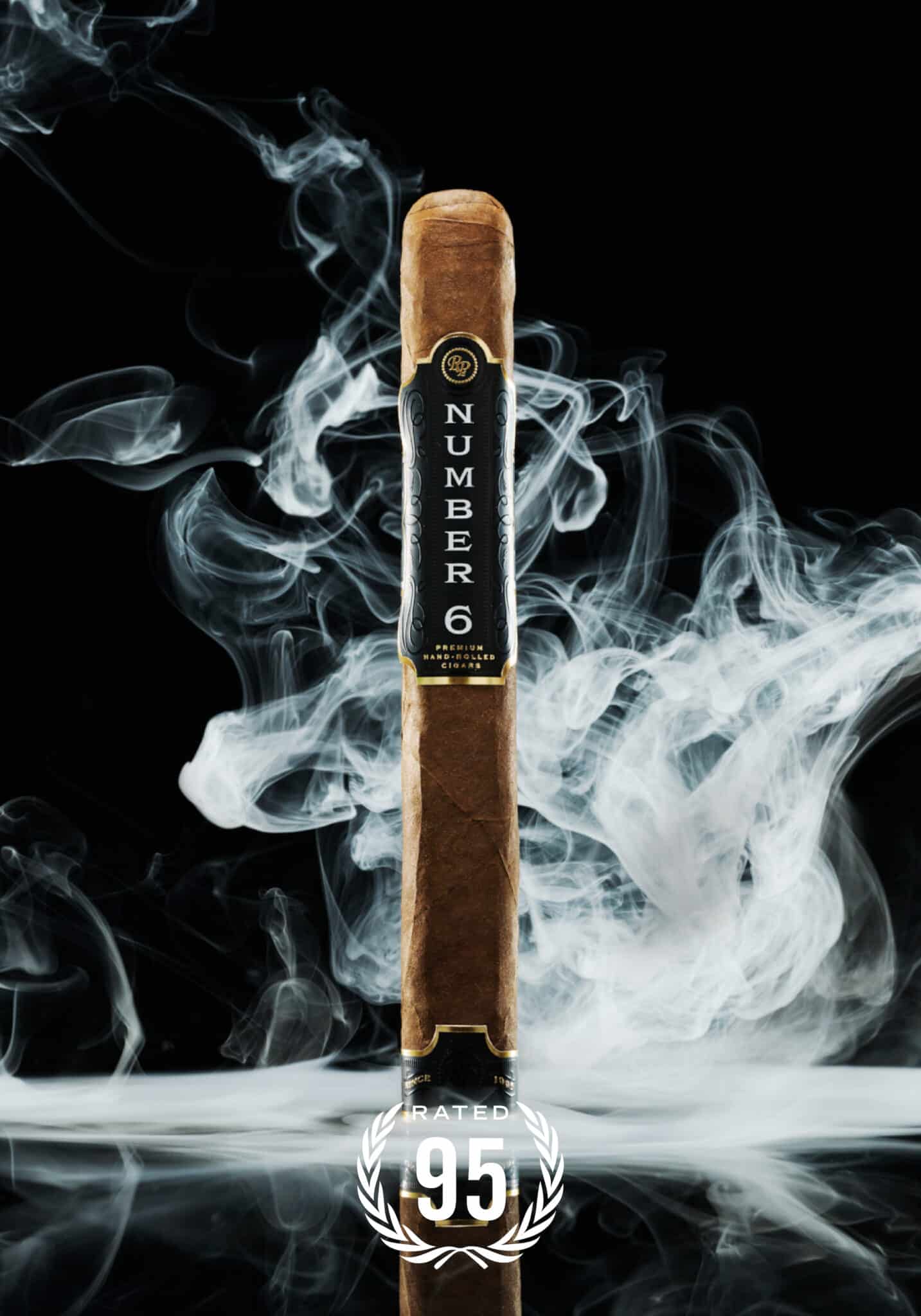
Rocky Patel SIXTY

One of the best experiments a cigar enthusiast can perform does not require four different blends. It requires one blend in several vitolas.

Smoke the Robusto first. A few days later, try the Toro. Then, where the line allows it, compare the Churchill or Sixty.

The tobacco belongs to the same family, yet the experience need not be identical.

Vitola is not merely cigar “size.” Length, diameter, wrapper-to-filler ratio, tobacco mass, airflow, burn temperature and smoking duration can all alter how a blend reaches your palate.

That is why “Which Rocky Patel is best?” is only half a question. A more revealing one can be: “Which vitola of this Rocky Patel do I prefer?”

1. What vitola actually means

In everyday cigar language, vitola identifies a format such as Robusto, Toro, Churchill, Corona or Sixty/Gordo.

For a straight-sided parejo, two measurements tell much of the story:

length × ring gauge.

Ring gauge measures diameter in 64ths of an inch. A 50 ring is 50/64 inch; a 60 ring is 60/64.

The numerical difference looks small. The geometric difference in internal filler volume is not.

A 6 × 60 is therefore not simply a 6 × 50 that happens to be slightly fatter.

2. The four formats in this comparison

Names are not perfectly universal standards, so dimensions vary by maker. Rocky Patel gives us concrete examples relevant to Mister Tabaco.

Robusto

Often around 5–5½ × 50 in the lines discussed here: compact, substantial and relatively concentrated.

Toro

Number 6, SIXTY, A.L.R. Second Edition and DBS use a 6½ × 52 Toro: longer and marginally wider than their Robustos.

Churchill

Rocky Patel White Label offers a 7 × 48 Churchill. Notice the key point: it is longer but thinner than many Robustos.

Sixty

Many Rocky Patel lines use 6 × 60: a large format with substantial room for filler and generous smoke production.

“Bigger” is therefore imprecise. Churchill wins on length; Sixty wins on diameter.

3. The geometry of flavor: wrapper versus filler

Think of a cigar as a tobacco cylinder. Wrapper covers its outside while filler occupies its interior volume.

As diameter increases, internal volume grows faster relative to the wrapper surface contribution. Practically, a smaller ring gauge gives the wrapper a larger proportional presence, while a thick cigar gives filler more proportional weight.

This does not mean thin cigars taste only of wrapper or large cigars lose wrapper character. It means the structural balance changes.

There is another complication: manufacturers may alter filler proportions between sizes to preserve the intended identity of a line. Geometry is therefore a powerful principle, not an exact flavor prediction machine.

4. Robusto – an excellent reference format

Robusto is one of the most useful sizes for comparative tasting.

A ring gauge around 50 provides enough room for a serious filler recipe without moving to an extreme diameter. Moderate length lets the cigar reach its middle and final stages relatively quickly.

For the taster this often means:

  • the blend reveals itself early;
  • transitions are easy to follow;
  • the session is manageable;
  • wrapper/filler balance remains interesting.

Mister Tabaco’s Rocky Patel selection includes numerous Robusto examples, including A.L.R. Second Edition, DBS, Number 6, SIXTY, Grand Reserve, Vintage 1990 and White Label.

When comparing different cigar lines, keeping Robusto as a common format helps reduce one major variable.

5. Toro – a versatile middle ground

Toro is exceptionally versatile.

At 6½ × 52 in several Rocky Patel lines, it gives you slightly more filler and considerably more length than the corresponding Robusto.

The result can be:

  • a longer session;
  • more room for transitions;
  • generous smoke;
  • manageable burn temperature when smoked patiently.

Toro is not objectively the “most balanced” size. Its proportions simply give the blender plenty of room without pushing either length or diameter to an extreme.

For a smoker unsure which vitola to choose, Toro is often a sensible starting point when enough time is available.

6. Churchill – length changes the story

Churchill demonstrates why length and diameter must be treated separately.

White Label Churchill measures 7 × 48. Compare that with White Label Robusto at 5 × 50 and Sixty at 6 × 60.

The Churchill is:

  • much longer than the Robusto;
  • slightly thinner;
  • dramatically thinner than the Sixty.

That gives the blend more time to develop while preserving a different wrapper-to-filler relationship from a 60-ring cigar.

The format demands patience. Choose a Churchill when you only have 30 minutes and you may rush it, overheating the cigar and destroying the very advantage you selected it for.

7. Sixty – what a 60 ring gauge really changes

A 60 ring gauge significantly changes cigar architecture.

There is substantial room for filler. More tobacco burns across the foot, smoke volume can be impressive, and a well-made large-ring cigar can burn relatively cool when smoked correctly.

But eliminate one myth immediately:

thicker does not automatically mean stronger.

Nicotine strength depends on the tobacco and recipe. A Sixty can feel rounder and creamier than a thinner cigar from another blend.

A 60 ring format can appeal particularly to smokers who enjoy generous draw, abundant smoke, filler complexity and the physical feel of a large cigar.

8. Length and ring gauge do different jobs

This is the central lesson.

Ring gauge primarily changes internal geometry and component ratios.

Length primarily changes time, progression and the distance through which combustion travels.

Therefore:

  • Churchill is not simply a longer Sixty;
  • Sixty is not simply a thicker Churchill;
  • Robusto is not merely a short Toro.

Each combination creates its own smoking dynamics.

9. Why one vitola may seem sweeter

Suppose a wrapper contributes noticeable natural sweetness.

In a thinner format, its proportional influence may become easier to notice. In a thick cigar, the filler may contribute more weight, spice, earth, coffee or other characteristics.

Yet you cannot safely predict that the Robusto will always be sweeter.

The blender may adjust filler proportions. Burn rate, humidity, natural leaf variation and smoking pace matter too.

The accurate conclusion is: vitola can shift aromatic emphasis; tasting tells you where it shifts.

10. Temperature – the invisible variable

A thinner cigar can react quickly to frequent draws. A thick cigar has more mass and can support slower, cooler combustion.

Neither is immune to overheating.

Smoke too quickly and sweetness falls, bitterness rises, pepper feels harsher and subtle flavors disappear.

Any Robusto-versus-Toro-versus-Sixty comparison therefore requires reasonably similar smoking discipline.

11. The ideal teaching example: Rocky Patel Number 6

Number 6 practically provides a ready-made vitola experiment:

  • Corona 6 × 44;
  • Robusto 5½ × 50;
  • Toro 6½ × 52;
  • Sixty 6 × 60.

Rocky Patel describes Number 6 as medium-bodied, with Honduran Corojo wrapper, Honduran binder and Honduran filler, emphasizing a balance of sweetness and pepper.

A useful Mister Tabaco tasting sequence is:

Number 6 Robusto → Toro → Sixty.

Do not ask which is objectively best. Record:

  • where sweetness appears most clearly;
  • where pepper is sharper;
  • smoke density;
  • finish;
  • perceived complexity;
  • draw;
  • your personal comfort with the diameter.

That is how you learn vitola rather than memorize definitions.

12. Rocky Patel SIXTY: three sizes inside one line

Rocky Patel SIXTY is officially made in Robusto 5½ × 50, Toro 6½ × 52 and Sixty 6 × 60.

The blend uses a San Andrés wrapper with Nicaraguan binder and filler, and Rocky Patel states that the cigars receive at least two years of post-roll aging.

The line’s name might tempt you to assume that 6 × 60 must be the definitive version.

Not necessarily.

One smoker may prefer the Robusto because of its component ratio. Another may find Toro ideal. A third may prefer the volume and pace of Sixty.

The brand name does not choose your preferred vitola. Your palate does.

13. A.L.R. Second Edition: aging meets geometry

A.L.R. Second Edition is offered in Robusto 5½ × 50, Toro 6½ × 52 and Sixty 6 × 60.

Rocky Patel rates the line medium-full and describes two years of aging after production.

That makes a size comparison particularly interesting. Mature tobacco can reveal different accents as tobacco mass, smoke temperature, wrapper/filler ratio and session duration change.

If you already know A.L.R., comparing two sizes may teach you more than randomly buying two unrelated blends.

14. DBS – pay attention to the interior

DBS stands for Double Broadleaf Selection. Rocky Patel lists a Mexican San Andrés wrapper, Nicaraguan and Pennsylvania Broadleaf binders, and Honduran/Nicaraguan Broadleaf fillers.

It is made in Robusto, Toro and Sixty.

This is exactly the kind of blend where a 60 ring gauge is conceptually interesting because the internal architecture is central to the cigar’s identity.

The useful question is not, “Is the Sixty stronger?”

Ask instead:

“How do broadleaf presence and smoke texture change as filler gains proportional space?”

That is a much better tasting question.

15. White Label – the Churchill masterclass

White Label is particularly useful because Rocky Patel officially offers:

  • Robusto 5 × 50;
  • Toro 6½ × 52;
  • Churchill 7 × 48;
  • Sixty 6 × 60.

The company describes it as medium-bodied with Connecticut wrapper and a profile featuring cedar, cream and a sweet finish.

This creates an excellent four-way lesson.

Robusto

Compact and immediate.

Toro

Longer and slightly wider, with more time for progression.

Churchill

Longest of the four but only 48 ring – fascinating for wrapper proportion and long-form evolution.

Sixty

Largest cross-section, with greater structural emphasis on filler and smoke volume.

Smoke all four on separate days under similar conditions and you will understand vitola more deeply than from definitions alone.

16. Strength versus flavor: another myth

A Robusto can feel more flavor-intense without containing more nicotine.

A Sixty can generate more smoke without being physiologically stronger.

A Churchill can feel concentrated near the end simply because the session has been long and heat and nicotine exposure accumulate.

Keep the previous article’s lesson in mind:

Strength ≠ Body ≠ Flavor.

Vitola can alter the perception of all three, but not in the same perfectly predictable direction.

17. How much time do you have?

An excellent cigar at the wrong moment can become a poor experience.

Relatively short window

Robusto is often the practical choice.

An hour or more, with interest in progression

Toro becomes attractive.

A long, slow session

Churchill makes sense.

Large ring gauge and abundant smoke

Sixty may be ideal.

Exact smoking times should never be treated as guarantees. Construction, humidity and smoking pace can change them substantially.

The better rule is simple: do not select a Churchill if you already know you will have to rush it.

18. Common vitola mistakes

“Bigger is better.” More tobacco does not guarantee a better blend.

“Thicker is stronger.” False; strength comes from tobacco composition.

“Every size in one line tastes identical.” Not necessarily.

“Churchill must be stronger because it is large.” Length does not measure nicotine.

“Robusto is only for beginners.” False. It is an excellent analytical format for experienced smokers.

“60 ring always burns cooler.” It may tend that way, but construction and pace remain critical.

“I must finish the cigar.” No. A premium cigar is an experience, not an endurance test.

19. How to run a proper comparative tasting

Do not smoke Robusto, Toro and Sixty back-to-back. Palate fatigue will contaminate the test.

Try instead:

Day 1 – Robusto Day 4 – Toro Day 7 – Sixty

Keep as many variables stable as possible:

  • similar time of day;
  • similar meal beforehand;
  • same neutral beverage;
  • similar environment;
  • cigars stored in the same humidor.

Record:

  • cold draw;
  • first third;
  • middle third;
  • final third;
  • strength;
  • body;
  • flavor intensity;
  • sweetness;
  • spice;
  • finish;
  • draw;
  • burn;
  • perceived temperature;
  • personal score.

Now you are performing a meaningful comparison.

20. Which vitola works for a beginner?

Robusto and Toro are often intuitive starting formats.

Robusto offers a more compact session. Toro gives additional time to observe transitions.

Sixty can be comfortable for someone who likes a large diameter but may feel physically substantial. Churchill deserves enough time and patience.

Blend remains more important than size. A potent Robusto can be far more demanding than a balanced medium Toro.

21. Which size highlights the wrapper?

As a geometric principle, smaller ring gauge increases wrapper-to-filler ratio.

That is why Corona and other slender sizes are often appreciated for studying wrapper character.

Among the four formats in this article, a 48-ring Churchill or 50-ring Robusto can give wrapper proportionally more influence than a 60-ring Sixty, all else being equal.

But all else is rarely perfectly equal.

Manufacturers adjust recipes, leaves vary naturally and smoking technique matters. Use the rule as a guide, not a verdict.

22. How to choose Robusto, Toro, Churchill or Sixty

Ask five questions.

1. How much time do I have?

Eliminate long formats if the answer is “not much.”

2. Do I enjoy a large ring gauge?

Physical comfort matters.

3. Am I curious about wrapper or filler?

Smaller diameter can proportionally emphasize wrapper; larger diameter creates more room for filler.

4. Do I want concentration or a long narrative?

Robusto versus Churchill can represent exactly that choice.

5. Have I already tried the blend?

If yes, changing vitola is one of the best ways to rediscover it.

23. Extended FAQ

What is ring gauge?

The traditional cigar diameter measurement in 64ths of an inch.

Does 60 ring mean 60 mm?

No. It is 60/64 inch, approximately 23.8 mm.

Is Robusto stronger than Toro?

There is no universal rule.

Is Sixty automatically stronger?

No.

Is every Churchill exactly 7 × 48?

No. Vitola names can cover slightly different dimensions across manufacturers.

Which format creates more smoke?

Large ring gauges can generate greater smoke volume, but construction and draw matter.

Which emphasizes wrapper?

Generally the smaller ring gauge because wrapper/filler ratio is higher.

Why can Toro and Robusto from the same line taste different?

Component ratios, temperature, airflow, duration and blend adjustments can all contribute.

Is it worth buying one line in three sizes?

Absolutely, if your goal is palate education.

Must a Churchill be smoked to the end?

No.

Does vitola change cigar quality?

Not necessarily. It changes how the blend is expressed and perceived.

24. Conclusion – vitola is part of the blend

Robusto, Toro, Churchill and Sixty are not simply small, medium, large and extra-large.

They are different architectures for aromatic tobacco.

Robusto can concentrate the experience and maintain a compelling wrapper/filler balance. Toro extends the journey without taking diameter to an extreme. Churchill uses length to create a slower, evolving session. Sixty gives filler substantial room and can deliver abundant, cool, dense smoke.

None is universally superior.

The best vitola is the point where blend, available time and your preferences intersect.

If you truly want to understand premium cigars, do not only chase new brands.

Sometimes the most revealing cigar is the one you already know, in a different size.

Mister Tabaco

At Mister Tabaco, you can turn theory into practical comparisons between blends, vitolas and origins.

Continue the Tobacco Guide

What Is Premium Tobacco and How Is It Different from Ordinary Tobacco?

Wrapper, Binder and Filler – the anatomy of a premium cigar

Corojo, Criollo, Connecticut, Habano, Sumatra, Broadleaf and San Andrés – A Guide to the Major Wrapper Families

Maduro Explained Properly – Color, Fermentation, Flavor and the Strength Myth

Ligero, Seco and Volado – how leaf position changes a premium cigar

How Cigar Tobacco Is Grown – From Seed to Harvest

Tobacco Fermentation – The Process That Transforms the Leaf

Tobacco Aging – Why Some Cigar Leaves Are Aged for Years

Nicaragua vs Honduras vs Dominican Republic vs Ecuador vs Mexico – How Terroir Changes Cigar Tobacco and Flavor

How a Master Blender Creates a Cigar

Shade-Grown vs Sun-Grown: How Light Changes a Cigar Wrapper

Long Filler vs Short Filler – The Real Differences in Cigar Construction

Strength vs Body vs Flavor – How to Describe a Cigar Correctly

How Vitola Changes Cigar Flavor: Robusto vs Toro vs Churchill vs Sixty

How to Choose Your First Premium Cigar – A Complete Beginner’s Guide

How to Taste a Premium Cigar and Identify Aromas

How to Store Cigars Properly: Humidor, Temperature and Humidity

Common Mistakes That Can Ruin the Experience of a Premium Cigar

Rocky Patel Guide: Differences Between the Main Collections at Mister Tabaco

Rocky Patel Vintage 1990 vs Vintage 1999: Aged Broadleaf or Delicate Connecticut?

Rocky Patel Number 6 vs DBS: Balanced Corojo or Broadleaf Architecture?

Rocky Patel SIXTY vs A.L.R. Second Edition: Two San Andrés Interpretations, Two Aging Philosophies

Rocky Patel Edge 20th Anniversary and the Role of Aged Tobacco: What Time Can Do to a Premium Wrapper

How to Choose a Rocky Patel by Experience, Strength and Flavor Profile

Explore the Cigar Guide

How to Choose Your First Cigar

Which Rocky Patel Cigar Should You Choose as a Beginner?

How to Smoke a Cigar Properly

Robusto, Toro or Churchill? Cigar Size Guide

How to Store Cigars Properly

Cuba vs Nicaragua vs Dominican Republic vs Honduras

How to Identify Cigar Flavors

Cigar Pairing with Whisky, Rum, Cognac or Coffee

10 Common Cigar Mistakes Beginners Make

How to Choose a Cigar as a Gift or for a Special Occasion

Tobacco products are intended for adults only. Smoking seriously damages your health.

Posted on Leave a comment

How to Choose Your First Premium Cigar – A Complete Beginner’s Guide

Rocky Patel Vintage 1999 Connecticut

For adults only. Tobacco products contain nicotine and are not risk-free.

Why your first premium cigar matters

A first premium cigar can open the door to an entire world of agriculture, craftsmanship and sensory exploration. It can also become an unpleasant experience when the choice is based only on price, size or wrapper color. A beginner does not need to “conquer” the strongest cigar in the humidor. The better objective is to choose something expressive enough to reveal changes in flavor while remaining comfortable enough to study.

The useful question is therefore not “What is the best cigar?” but “What is the right cigar for me at this stage?” One person may enjoy cream, nuts and soft coffee; another may prefer pepper, cocoa, wood and espresso. The same cigar will not necessarily satisfy both.

Within the Mister Tabaco selection, Rocky Patel offers a useful learning path: Vintage 1999 for a mild reference, Number 6 for medium territory, followed later by Disciple, A.L.R. Second Edition or DBS when the smoker already understands personal preferences.

What does “premium cigar” actually mean?

Premium cigars are associated with carefully selected tobacco and a long chain of controlled processes: cultivation, curing, sorting, fermentation, aging, blending and rolling. Their basic architecture consists of filler in the center, binder around the filler and wrapper on the outside.

The wrapper is visually dominant and contributes to the experience, but it is only one component. Filler leaves can come from different regions and different primings of the tobacco plant. The blender combines them to achieve combustion, balance, strength and flavor development.

This explains why two cigars that look similar may taste dramatically different. Origin, fermentation and aging often tell us more than color alone.

Strength, body and flavor: learn the difference first

Strength

Strength mainly refers to the physiological power of the tobacco and nicotine. For a first experience, mild or medium is usually easier to explore than medium-full.

Body

Body describes the weight and density of the smoke on the palate. A cigar may be full of flavor and have substantial body without delivering extreme strength.

Flavor

Flavor is the sensory vocabulary used to describe impressions such as wood, cocoa, coffee, nuts, pepper, cream, earth, spice or natural sweetness. These are comparisons, not necessarily added ingredients.

For a beginner, separating these concepts is essential. Flavorful does not automatically mean strong, and strong does not automatically mean complex.

Do not choose by wrapper color alone

A dark wrapper does not automatically make a cigar stronger, just as a pale wrapper does not guarantee a very mild cigar. Color may provide clues about varietal and processing, but the final strength depends on the complete blend.

Rocky Patel Vintage 1999 Connecticut is officially classified as mild. Number 6 is medium and uses a Honduran Corojo wrapper. A.L.R. Second Edition is medium-full and uses San Andrés. The lesson is practical: study the blend and the maker’s strength classification instead of judging only by shade.

Wrapper, binder and filler: the anatomy of your choice

Wrapper

The outer leaf is selected for appearance, texture and performance. Depending on the tobacco, it can contribute sweetness, spice, wood and other accents.

Binder

The binder surrounds the filler and provides structure. Its contribution is not merely mechanical; it affects combustion and the overall blend.

Filler

Filler is the core. Here the blender can combine leaves with different characteristics to create complexity, rhythm and balance.

Rocky Patel DBS is a useful example. DBS means “Double Broadleaf Selection.” It uses a Mexican San Andrés wrapper, binders from Nicaragua and Pennsylvania Broadleaf, and filler from Honduras and Nicaragua. That construction shows why wrapper color or a single country cannot explain an entire cigar.

Start with flavors you already understand

Think about flavors you enjoy elsewhere in food and drink. This is not a scientific formula, but it provides a practical starting point.

If you enjoy milky coffee, toasted bread, nuts and creamy sensations, begin with a rounder, gentler profile. If you prefer espresso, dark cocoa, pepper and wood, you may eventually gravitate toward denser blends. If sweet-and-spicy contrasts appeal to you, a balanced Corojo expression may be worth exploring.

Do not force yourself to identify ten tasting notes on day one. Ask three simple questions: Is it sweet or dry? Creamy or spicy? Does it become more intense as it progresses?

Mild, medium or medium-full?

Mild and medium usually offer beginners the most room to learn. Vintage 1999 Connecticut is officially categorized as mild and provides a clear benchmark. Number 6 is medium and creates a logical next step.

Disciple and A.L.R. Second Edition are medium-full. They can be outstanding cigars, but reputation alone is not a reason to choose them first. Excessive intensity may make it harder for a new smoker to notice nuance.

A useful rule is to begin lower on the strength scale and move upward deliberately. Reference points make later comparisons meaningful.

Country of origin is not a single flavor

Nicaragua, Honduras, the Dominican Republic, Ecuador and Mexico are major names in premium tobacco, yet none can be reduced to one taste. Soil, microclimate, seed varietal, priming and processing all influence the leaf.

Number 6 is made in Honduras with Honduran wrapper, binder and filler. Disciple is made in Nicaragua with a Mexican San Andrés wrapper. A.L.R. Second Edition is made in Nicaragua. DBS combines multiple origins.

For the beginner, origin is a useful clue—not a flavor verdict.

Which vitola: Robusto, Toro or Sixty?

Vitola changes smoking time and the relationship between wrapper and interior tobaccos. A larger ring gauge does not automatically mean greater strength.

Robusto

Robusto is one of the most practical starting formats. It offers enough time to observe development without committing to an exceptionally long session.

Toro

Toro extends the experience and is highly versatile. It often becomes attractive once you already understand your smoking pace.

Sixty

A 60-ring-gauge cigar changes the proportion of filler to wrapper and creates a broader format. It is not inherently stronger; it is another expression of the blend.

For a first premium cigar, Robusto is often the simplest benchmark.

Let available time guide the format

A premium cigar should not be rushed. If you have only a short break, selecting a large cigar is a poor match. Smoking too quickly raises temperature, can create bitterness and distorts the intended profile.

Choose a size that fits the time you genuinely have. There is no requirement to smoke a cigar to the very end. If it becomes hot, harsh or simply no longer enjoyable, stopping is perfectly reasonable.

The goal is sensory quality, not completion.

Rocky Patel Vintage 1999: a mild starting reference

Vintage 1999 Connecticut is officially categorized as mild and features a Connecticut shade-grown wrapper. Mister Tabaco’s assortment includes formats such as Petite Corona, Toro and Six by Sixty, allowing the same family to be explored at different sizes.

A mild profile gives a beginner room to focus on technique: draw, pace, temperature and flavor transitions. Mild should not be confused with characterless.

Choose Petite Corona when you want a shorter session, or Toro when you want more time to observe development.

Rocky Patel Vintage 1990: the next comparison

Vintage 1990 becomes useful when you want to compare a different, more mature expression against the Connecticut benchmark. The comparison works best on separate occasions with simple notes.

Instead of asking which cigar is “better,” compare texture, perceived sweetness, spice, finish and how much the profile changes from beginning to end.

This turns purchasing into palate training rather than simple product accumulation.

Rocky Patel Number 6: entering medium territory

Number 6 is an excellent reference for moving from mild to medium. Rocky Patel classifies it as medium-bodied and lists a Honduran Corojo wrapper, Honduran binder and Honduran filler.

Mister Tabaco carries Corona, Robusto, Toro and Sixty formats. This creates a particularly useful experiment: smoke the same blend in two vitolas and observe what geometry changes.

For someone who has already tried a mild cigar, Number 6 Robusto is a logical next benchmark.

When should you try Disciple, A.L.R. Second Edition and DBS?

There is no formal level system in cigars. Still, stronger and denser blends become easier to understand once you have reference points.

Disciple is medium-full and combines Nicaraguan tobacco with a Mexican San Andrés wrapper; the maker describes wood, earth and a subtle pepper note. A.L.R. Second Edition is also medium-full and has a distinctive aging story: the blend created in 2016 was produced in a limited run and rested for an additional two years.

DBS explores another construction, using broadleaf components beneath a San Andrés wrapper. These cigars make more educational sense when you can already explain what you liked or disliked about mild and medium profiles.

How to inspect a cigar before smoking

Handle a cigar gently. The wrapper should be intact without major cracks. Do not aggressively squeeze it. A slight resilience can be normal, but tactile inspection should never damage the leaf.

Look at the foot for visible damage and notice any obviously hard or soft areas. Construction affects draw and burn.

When buying from a specialist, explain what you need: first premium cigar, preferred intensity, available time and familiar flavor preferences. A recommendation becomes much more precise when these variables are known.

Cutting: less is usually better than too much

The cap should be removed with control. Cutting too deeply can compromise the wrapper and cause unraveling. Use a sharp cutter and remove only enough to create a comfortable draw.

A straight cut is intuitive for beginners. A V-cut changes how smoke reaches the mouth, while a punch creates a smaller opening, but neither is ideal for every format.

After cutting, test the cold draw. If airflow is severely restricted, aggressive puffing is not a good solution.

Lighting correctly

Lighting should be even. Gently toast the foot instead of scorching the wrapper. Rotate the cigar to distribute heat and establish an even ember.

A torch lighter offers excellent control outdoors; a soft flame can be elegant in calm conditions. In either case, avoid holding the cigar deep inside the flame for a prolonged period.

Do not overreact to every minor burn deviation. Some irregularities correct themselves naturally.

How to smoke your first premium cigar

Premium cigar smoke is not inhaled like cigarette smoke. It is drawn into the mouth for taste and then released. The pace should be relaxed.

Leave enough time between puffs for the cigar to remain cool. Do not turn this into a stopwatch exercise; temperature and flavor are better indicators.

Think of the cigar in three broad stages: first third, middle and final section. Notice meaningful transitions rather than trying to catalogue every tiny sensation.

Ten common beginner mistakes

  • Choosing the strongest cigar to get the “full experience.”
  • Judging strength only by wrapper color.
  • Smoking on an empty stomach.
  • Puffing too quickly.
  • Inhaling the smoke.
  • Cutting too deeply.
  • Scorching the foot during lighting.
  • Constantly correcting tiny burn imperfections.
  • Pairing immediately with a very powerful drink that masks the cigar.
  • Believing the cigar must be finished even when it is no longer

enjoyable.

Avoiding these mistakes is more valuable than memorizing sophisticated tasting vocabulary.

A five-step tasting path

Step 1 – Vintage 1999

Learn pace and establish a mild benchmark.

Step 2 – Vintage 1990

Compare texture, sweetness and character.

Step 3 – Number 6 Robusto

Enter medium territory and experience a Honduran Corojo-led blend.

Step 4 – Number 6 Toro or Sixty

Keep the blend but change the vitola. This is one of the clearest ways to understand format.

Step 5 – A.L.R. Second Edition or Disciple

Now explore medium-full territory and compare it with your earlier references.

This is not a ranking. It is an educational sequence.

Build a simple tasting journal

For every cigar, record the line, vitola, date, perceived strength, three dominant flavors, draw quality, burn performance and whether you would smoke it again.

After five or ten cigars, patterns will emerge. You may discover that you favor Corojo, Connecticut or San Andrés. You may find that Robusto fits your available time better than Toro. Those personal conclusions are more useful than a universal “best cigars” list.

Palate development comes through comparison, not score memorization.

FAQ – choosing your first premium cigar

What strength is best for a first cigar?

Mild or medium is usually easier to explore, although individual tolerance and preferences matter.

Is Maduro automatically stronger?

No. Wrapper color alone does not determine the strength of the complete blend.

Is Robusto good for beginners?

Yes. It is practical and long enough to demonstrate development without requiring an unusually long session.

Should cigar smoke be inhaled?

No. Premium cigar smoke is tasted in the mouth and released.

Should I smoke on an empty stomach?

It is generally better not to, particularly when you do not yet know how nicotine affects you.

Vintage 1999 or Number 6?

For a mild starting benchmark, Vintage 1999. For someone ready to explore medium, Number 6 is a strong reference point.

Is a more expensive cigar automatically better for me?

No. Price cannot replace compatibility with your palate and preferred intensity.

How should cigars be stored?

For longer-term storage, use a stable humidor environment and avoid large swings in temperature and humidity.

How fast should I smoke?

Slowly enough to avoid overheating. Taste and temperature are better guides than a rigid timer.

When am I ready for medium-full?

When you can describe what you enjoy in mild and medium cigars and deliberately want greater intensity or density.

Mister Tabaco

At Mister Tabaco, you can turn theory into practical comparisons between blends, vitolas and origins.

Continue the Tobacco Guide

What Is Premium Tobacco and How Is It Different from Ordinary Tobacco?

Wrapper, Binder and Filler – the anatomy of a premium cigar

Corojo, Criollo, Connecticut, Habano, Sumatra, Broadleaf and San Andrés – A Guide to the Major Wrapper Families

Maduro Explained Properly – Color, Fermentation, Flavor and the Strength Myth

Ligero, Seco and Volado – how leaf position changes a premium cigar

How Cigar Tobacco Is Grown – From Seed to Harvest

Tobacco Fermentation – The Process That Transforms the Leaf

Tobacco Aging – Why Some Cigar Leaves Are Aged for Years

Nicaragua vs Honduras vs Dominican Republic vs Ecuador vs Mexico – How Terroir Changes Cigar Tobacco and Flavor

How a Master Blender Creates a Cigar

Shade-Grown vs Sun-Grown: How Light Changes a Cigar Wrapper

Long Filler vs Short Filler – The Real Differences in Cigar Construction

Strength vs Body vs Flavor – How to Describe a Cigar Correctly

How Vitola Changes Cigar Flavor: Robusto vs Toro vs Churchill vs Sixty

How to Choose Your First Premium Cigar – A Complete Beginner’s Guide

How to Taste a Premium Cigar and Identify Aromas

How to Store Cigars Properly: Humidor, Temperature and Humidity

Common Mistakes That Can Ruin the Experience of a Premium Cigar

Rocky Patel Guide: Differences Between the Main Collections at Mister Tabaco

Rocky Patel Vintage 1990 vs Vintage 1999: Aged Broadleaf or Delicate Connecticut?

Rocky Patel Number 6 vs DBS: Balanced Corojo or Broadleaf Architecture?

Rocky Patel SIXTY vs A.L.R. Second Edition: Two San Andrés Interpretations, Two Aging Philosophies

Rocky Patel Edge 20th Anniversary and the Role of Aged Tobacco: What Time Can Do to a Premium Wrapper

How to Choose a Rocky Patel by Experience, Strength and Flavor Profile

Explore the Cigar Guide

How to Choose Your First Cigar

Which Rocky Patel Cigar Should You Choose as a Beginner?

How to Smoke a Cigar Properly

Robusto, Toro or Churchill? Cigar Size Guide

How to Store Cigars Properly

Cuba vs Nicaragua vs Dominican Republic vs Honduras

How to Identify Cigar Flavors

Cigar Pairing with Whisky, Rum, Cognac or Coffee

10 Common Cigar Mistakes Beginners Make

How to Choose a Cigar as a Gift or for a Special Occasion

Tobacco products are intended for adults only. Smoking seriously damages your health.
Posted on Leave a comment

Shade-Grown vs Sun-Grown: How Light Changes a Cigar Wrapper

Rocky Patel Vintage 1999 Connecticut

Introduction — A Cigar’s Flavor Story Begins With Light

Place two premium cigars next to each other and one of the first differences you are likely to notice is the wrapper.

One may be pale golden-brown, remarkably smooth and almost silky. Another may be darker, reddish-brown, oily and visibly textured.

It is tempting to draw an immediate conclusion:

“The lighter cigar is mild. The darker cigar is strong.”

This is also one of the most persistent misconceptions in the cigar world.

Wrapper color can tell us something about a leaf, but it cannot tell us the entire story of a cigar. One of the variables responsible for the differences we see begins months — and in terms of the finished product sometimes years — before the cigar reaches a humidor.

That variable is light.

The way a tobacco plant receives sunlight affects how its leaves develop: their thickness, texture, veins, elasticity and other characteristics that later influence curing, fermentation, aging and blending.

This brings us to two fundamental terms in premium tobacco:

Shade-Grown and Sun-Grown.

They sound simple.

In reality, they open the door to understanding how cigar tobacco is created.

  • Why Is the Wrapper So Important?

A traditional premium cigar is primarily constructed from three components:

Wrapper — the outer leaf;

Binder — the leaf that holds the filler together;

Filler — the tobacco leaves inside the cigar.

The wrapper is the visible component and is therefore subjected to particularly demanding selection.

A premium wrapper leaf generally needs a combination of desirable characteristics:

elasticity;

structural integrity;

sufficient size;

manageable veins;

relatively attractive appearance;

suitable combustion characteristics;

an aromatic profile compatible with the blend.

A leaf can taste excellent and still fail to qualify as wrapper.

Why?

Because it may be torn, too coarse, heavily veined or structurally unsuitable for rolling around a cigar.

The wrapper is the cigar’s exterior architecture

A torcedor must be able to stretch the wrapper smoothly around the bunch without tearing it.

At the same time, the wrapper must work harmoniously with the binder and filler.

That combination of aesthetic, mechanical and sensory requirements makes premium wrapper tobacco one of the most demanding types of cigar leaf to produce.

  • What Does Shade-Grown Actually Mean?

In the traditional Shade-Grown method, tobacco plants are grown beneath large sheets of cloth or mesh designed to filter direct sunlight.

The purpose is not to grow tobacco in darkness.

The purpose is to diffuse and moderate the sunlight reaching the plant.

Connecticut Shade became one of the most famous examples of this cultivation method.

Historically, large fields in the Connecticut River Valley were covered with shade cloth to create conditions favorable to producing thin, elastic wrapper leaves.

What happens to the leaf?

Under filtered light, the plant develops differently than it would under unrestricted direct sun.

Wrapper leaves tend to be:

thinner,

more delicate,

supple,

elastic,

and often less aggressively veined.

These are valuable properties when the leaf must eventually be wrapped around a premium cigar.

  • Shade-Grown Does Not Mean “Grown in Darkness”

The word shade can be misleading.

The tobacco plant still receives light and continues photosynthesis.

The difference lies primarily in the intensity and distribution of that light.

Imagine standing outside under powerful summer sunshine.

Now imagine moving beneath a thin canopy that allows plenty of daylight through but diffuses the direct rays.

You are still surrounded by light.

Yet the physical conditions are noticeably different.

Something conceptually similar happens in a shade-grown tobacco field.

The grower is manipulating the plant’s environment to encourage particular characteristics in the leaves.

  • Why Go to So Much Trouble to Grow Shade Tobacco?

Installing and maintaining shade structures requires additional labor, materials and management.

Why do it?

Because premium wrapper tobacco is not simply about producing as much leaf as possible.

The grower wants a high proportion of leaves capable of meeting wrapper standards.

A wrapper needs to survive harvesting, curing, fermentation, aging, sorting, handling and finally rolling.

Even a small physical defect can downgrade an otherwise excellent leaf.

Shade structures can also provide some protection against environmental stress, including wind damage.

For a leaf destined to become the visible exterior of a premium cigar, this matters enormously.

  • What Is Sun-Grown Tobacco?

Sun-Grown tobacco develops with substantially more direct exposure to natural sunlight rather than beneath the traditional artificial shade canopy.

The plant therefore responds to a different environment.

As a general tendency, Sun-Grown leaves can develop:

greater thickness,

a more robust structure,

more visible veins,

more texture,

and often a greater presence of oils.

These characteristics can make Sun-Grown tobacco particularly interesting for richer cigar blends.

But an important distinction is necessary:

Sun-Grown does not refer exclusively to wrapper.

Sun-grown tobacco may ultimately be selected for wrapper, binder or filler depending on the leaf and the blender’s requirements.

  • How Light Changes the Anatomy of Tobacco

This is where the Shade-versus-Sun discussion becomes genuinely fascinating.

Tobacco is a living plant responding continuously to its environment.

Light, temperature, water, soil, wind and the leaf’s position on the stalk all affect development.

A leaf receiving intense sunlight must function under different conditions from one receiving filtered light.

That can produce differences in:

thickness, texture, vein structure, elasticity and chemical composition.

Shade-Grown

The general tendency is toward a finer and more delicate leaf.

Sun-Grown

The general tendency is toward a thicker and more robust leaf.

But this qualification is essential:

These are tendencies, not universal laws.

Seed variety, terroir, priming, curing, fermentation and aging can dramatically change the final result.

  • Connecticut Shade — The Classic Example

For many cigar enthusiasts, the word “Shade” immediately brings Connecticut Shade to mind.

There is a historical reason for that association.

The Connecticut River Valley became famous for producing premium wrapper tobacco beneath enormous shade structures.

The resulting leaves became prized for their fine texture, elasticity and appearance.

In sensory language, Connecticut Shade cigars are frequently associated with impressions such as:

cream,

cedar,

nuts,

bread or toast,

subtle sweetness,

gentle spices.

These descriptors should never be treated as mandatory flavors, however.

Every blend is different.

And this leads to an important misconception.

  • The Myth That “Connecticut Means Beginner Cigar”

Connecticut-wrapper cigars are frequently recommended to new cigar smokers because many blends built around them occupy a relatively approachable range.

That does not mean:

Connecticut = simple.

And certainly not:

Connecticut = flavorless.

Strength and flavor are different dimensions.

A cigar can have moderate nicotine impact while displaying considerable aromatic complexity.

More importantly, the wrapper is only one component.

Beneath a delicate Connecticut wrapper may be filler tobaccos from Nicaragua, the Dominican Republic, Honduras or other regions capable of producing significant character.

An experienced smoker may therefore choose Connecticut not because it is “easy,” but because a well-designed Connecticut blend can express balance and subtlety exceptionally well.

  • Ecuador — Where Clouds Can Become Nature’s Shade Cloth

Ecuador introduces one of the most interesting nuances in this discussion.

Important tobacco-growing regions there benefit from persistent natural cloud cover.

Those clouds diffuse sunlight.

This means growers can obtain conditions favorable to delicate wrapper production without necessarily reproducing the enormous artificial shade structures traditionally associated with Connecticut.

This distinction matters enormously when reading cigar specifications.

Ecuadorian Connecticut is not identical to Connecticut Shade grown in the United States

The tobacco may originate from Connecticut seed.

But its terroir is Ecuadorian.

Its climate is different.

Its soil is different.

And the way sunlight reaches the plant is different.

The seed may be related.

The resulting tobacco is not a carbon copy.

  • Why Ecuador Became So Important for Premium Wrappers

Ecuador has become one of the world’s most important sources of premium cigar wrapper tobacco.

Several important tobacco families are grown there, including:

Connecticut-seed, Sumatra-seed and Habano-seed tobacco.

This teaches us one of the fundamental lessons of cigar education:

Country of origin alone does not define a tobacco leaf.

Ecuadorian Connecticut,

Ecuadorian Sumatra,

and Ecuadorian Habano

can produce substantially different smoking experiences.

Genetics and terroir work together.

Then cultivation, curing, fermentation and aging add further layers.

  • Sun-Grown Does Not Automatically Mean “Very Strong”

This is the mirror image of the Connecticut misconception.

Some smokers see “Sun Grown” on a cigar box and immediately translate it as:

full strength.

That conclusion is unreliable.

Strength depends on the complete tobacco composition of the cigar, including the filler.

Sun exposure can influence the character of the wrapper, but it does not independently determine the nicotine impact of the finished cigar.

This is why three terms should always be kept separate:

Strength — physiological impact;

Body — weight and density of the smoking experience;

Flavor — aromatic intensity and complexity.

They often interact.

They are not synonyms.

  • Case Study: Rocky Patel Sun Grown

A useful practical example is Rocky Patel Sun Grown.

The cigar is built around an Ecuadorian Sumatra wrapper aged for five years, according to Rocky Patel, with Honduran tobacco playing an important role in the blend.

This gives us several pieces of information before we even light the cigar:

Ecuadorian terroir;

Sumatra genetics;

Sun-Grown identity;

five years of wrapper aging;

Honduran components.

Already, the description is far more useful than simply saying:

“dark wrapper.”

What should you look for during a tasting?

Instead of trying to reproduce somebody else’s tasting notes, examine several dimensions.

Smoke texture

Is it light, creamy, dense or chewy?

Spice

Does it resemble black pepper, white pepper, baking spices or something else?

Sweetness

Is it subtle, caramel-like, molasses-like or absent?

Wood

Cedar? Oak? Toasted wood?

Finish

Does the flavor disappear quickly or remain on the palate?

This is how a smoker gradually moves from simply smoking a cigar to actually analyzing one.

  • Sun-Grown Is Not the Same as Maduro

This distinction is essential.

Sun-Grown primarily describes how the tobacco plant was exposed to light during cultivation.

Maduro is associated primarily with the selection and processing of tobacco — particularly fermentation and maturation — that can create darker color and particular sensory characteristics.

The concepts can intersect.

They are not synonyms.

A thick, robust Sun-Grown leaf may be suitable for extensive fermentation.

But:

Sun-Grown ≠ Maduro.

And equally important:

Maduro ≠ automatically strong.

A dark Maduro wrapper does not function as a nicotine meter.

This subject deserves its own article, which is why the Mister Tabaco series includes “Maduro Explained Correctly — Color, Fermentation, Flavor and the Strength Myth.”

  • Ecuadorian Sumatra — Where Seed, Terroir and Light Meet

Ecuadorian Sumatra provides an excellent case study because it appears in several highly regarded premium blends.

Rocky Patel uses Ecuadorian Sumatra in important cigars.

One example is Sun Grown.

Another particularly relevant example is The Edge 20th Anniversary.

According to Rocky Patel, the cigar uses an Ecuadorian Sumatra wrapper aged for more than ten years, combined with Nicaraguan and Honduran tobaccos.

Consider how many variables are involved:

Sumatra genetics;

Ecuadorian terroir;

sun exposure;

curing;

fermentation;

more than a decade of aging;

Nicaraguan tobacco;

Honduran tobacco;

and finally vitola.

Now compare that information with:

“It has a brown wrapper.”

The second description tells us almost nothing.

This is why cigar education becomes much more interesting once we stop treating color as the principal classification system.

  • What Aging Can Do for a Robust Wrapper

A powerful tobacco leaf may possess considerable aromatic potential while also displaying youthful roughness.

Controlled aging gives the leaf time to evolve.

This does not magically make every tobacco “better.” Aging needs suitable raw material and appropriate conditions.

But with carefully selected tobacco, time can contribute to integration and refinement.

The Edge 20th Anniversary is especially interesting because Rocky Patel identifies the Ecuadorian Sumatra wrapper as having been aged for more than ten years.

Another useful example is Rocky Patel Vintage 1992, for which the company describes a ten-year-aged Ecuadorian Sumatra wrapper.

The lesson is simple.

Do not ask only:

“What wrapper is it?”

Also ask:

“How was that wrapper processed and aged?”

  • Shade vs Sun — What Can You See and Feel?

You can begin studying a wrapper before lighting the cigar.

A Shade-style wrapper may display:

a fine surface;

silky texture;

subtle veins;

relatively uniform appearance;

a delicate feel.

A Sun-Grown wrapper may display:

more pronounced texture;

a sturdier feel;

more visible oils;

stronger veins;

deeper coloration.

But visual inspection cannot provide certainty.

There is too much variation among tobacco varieties and processing methods.

A useful exercise

Take two premium cigars without initially reading their specifications.

Study the wrappers carefully.

Write down what you think you are seeing.

Then check the manufacturer’s blend information.

Repeating this exercise teaches more than memorizing dozens of tobacco definitions.

  • Shade vs Sun in the Smoking Experience

We need to be careful here because sensory tendencies easily become stereotypes.

A Shade-oriented profile may often suggest:

creaminess,

nuts,

bread,

cedar,

gentle sweetness,

delicate spice.

Sun-Grown tobacco may frequently contribute impressions associated with:

pepper,

spice,

wood,

earth,

cocoa,

coffee,

richer sweetness.

But a smoker should never approach a cigar believing these flavors must appear.

Why?

Because you are smoking a blend, not an isolated wrapper leaf.

Binder and filler can dramatically change the experience.

  • Why Wrapper Color Can Be Misleading

Imagine two cigars whose wrappers look almost identical.

The first contains relatively gentle Dominican filler.

The second contains a substantial proportion of powerful Nicaraguan tobacco.

Visually, they may look very similar.

The smoking experience may be completely different.

The reverse can also happen.

Two cigars with visibly different wrappers may share a surprisingly similar strength level.

This is why wrapper color should never be used as a strength meter.

It is a visual characteristic — not a laboratory measurement of nicotine.

  • What Should You Study Beyond Shade vs Sun?

When evaluating a premium cigar, build a complete map of the blend.

Ask:

  • What is the wrapper seed or tobacco family?

Connecticut? Habano? Sumatra? Corojo? Broadleaf? San Andrés?

  • Where was it grown?

Ecuador? Nicaragua? Honduras? United States? Mexico?

  • How was it cultivated?

Shade? Sun? Naturally diffused sunlight?

  • How was it aged?

One year? Five years? Ten years?

  • What is the binder?
  • What tobaccos make up the filler?
  • Which growing regions are represented?
  • What is the vitola?

Now you are beginning to understand the cigar as a system.

  • How to Choose Between Shade-Grown and Sun-Grown

There is no universal winner.

The better question is:

What kind of experience are you looking for today?

Explore Shade-oriented cigars when:

you appreciate finesse;

you want a more delicate presentation;

you enjoy creamy textures;

you want to explore subtle aromatic transitions;

you prefer a wrapper that integrates quietly with the blend.

Explore Sun-Grown cigars when:

you enjoy more pronounced flavors;

you appreciate spice;

you want greater texture and density;

wood, cocoa, coffee and earthy profiles appeal to you;

you want to study a more assertive wrapper style.

These are starting points.

The complete blend always has the final word.

  • The Mister Tabaco Comparative Tasting Exercise

Theory becomes valuable when you can recognize it in the glass — or, in this case, in the cigar.

Choose two cigars in similar vitolas if possible.

Select one with a more delicate wrapper profile and another with a Sun-Grown or expressive Ecuadorian Sumatra wrapper.

Before lighting, record:

wrapper color;

sheen;

surface texture;

veins;

cold aroma;

apparent elasticity;

cold draw.

Then mentally divide each cigar into thirds.

First third

Record the opening flavors and texture.

Second third

Look for transitions.

Has the sweetness increased?

Has the pepper faded?

Has wood become dominant?

Final third

Pay attention to heat, concentration, bitterness, sweetness and spice.

Separately score:

Strength

Body

Flavor

Sweetness

Spice

Finish

Do not worry about finding the “correct” tasting note.

The objective is to build your own sensory vocabulary.

  • Seven Common Shade-Grown and Sun-Grown Mistakes

Mistake 1 — Shade means weak

Incorrect.

Wrapper cultivation does not independently determine total cigar strength.

Mistake 2 — Sun-Grown means extremely strong

Again, not necessarily.

The filler matters enormously.

Mistake 3 — Sun-Grown means Maduro

Incorrect.

They describe different concepts.

Mistake 4 — Dark wrapper means high nicotine

Color alone cannot determine nicotine impact.

Mistake 5 — Connecticut always means Connecticut, USA

Incorrect.

Connecticut-seed tobacco is also extensively cultivated in Ecuador.

Mistake 6 — All Ecuadorian Connecticut is cultivated exactly like traditional Connecticut Shade

No. Ecuador’s naturally diffused sunlight can change the cultivation equation.

Mistake 7 — The wrapper determines the entire cigar

No.

Wrapper, binder and filler work together.

  • Shade-Grown vs Sun-Grown — Quick Comparison

Characteristic

Shade-Grown

Sun-Grown

Light

Filtered/diffused

More direct

Leaf structure

Generally finer

Generally more robust

Veins

Often subtler

Can be more pronounced

Texture

Fine and supple

Often denser

Oils

Frequently less obvious

Can be more visible

Sensory tendency

Finesse, creaminess

Greater intensity/spice

Common associations

Cream, nuts, cedar

Wood, spice, cocoa, coffee

Strength

Cannot be assumed

Cannot be assumed

Famous example

Connecticut Shade

Sun-Grown Ecuadorian Sumatra

These are general tendencies, not rigid rules.

  • Frequently Asked Questions

Is Shade-Grown tobacco always lighter?

Not necessarily. Seed, curing, fermentation and aging also affect final color.

Is Sun-Grown always stronger?

No. Total cigar strength depends heavily on the complete blend.

Are Connecticut and Connecticut Shade identical terms?

Not always. Connecticut may refer to tobacco genetics, while traditional Connecticut Shade also refers to a particular cultivation heritage.

What is Ecuadorian Connecticut?

Connecticut-seed tobacco grown in Ecuador.

Why is Ecuador suitable for wrapper tobacco?

Among other factors, naturally diffused sunlight created by frequent cloud cover provides favorable conditions for wrapper cultivation.

What is Ecuadorian Sumatra?

Sumatra-family tobacco cultivated in Ecuador.

Does Rocky Patel use Ecuadorian Sumatra?

Yes. Notable examples include Sun Grown and The Edge 20th Anniversary.

What wrapper does The Edge 20th Anniversary use?

Rocky Patel specifies an Ecuadorian Sumatra wrapper aged for more than ten years.

Does Shade-Grown mean less flavor?

No. Delicacy and complexity are different concepts.

Are Sun-Grown and Habano the same thing?

No. Sun-Grown concerns cultivation/light exposure. Habano identifies a tobacco family/genetic heritage.

Are Sun-Grown and Maduro the same?

No.

Which is better for a first premium cigar?

The complete blend and stated strength matter more than the Shade/Sun label alone.

How can I really learn the difference?

Comparative tasting is one of the best methods. Use similar vitolas and record your impressions systematically.

  • Conclusion — Light Is the Cigar’s First “Blender”

A master blender begins working with tobacco long after nature and the farmer have made the first decisions.

In that sense, light is one of the cigar’s first blenders.

The way sunlight reaches the tobacco plant helps determine how its leaves develop.

Shade cultivation can favor finesse, elasticity and wrapper-friendly structure.

Greater sun exposure can favor robustness, texture and a more assertive leaf.

But the story does not end in the field.

The tobacco still has to pass through:

curing → fermentation → aging → sorting → blending → rolling → cigar resting.

Every stage changes the final experience.

Once you understand Shade-Grown versus Sun-Grown, you stop seeing the wrapper simply as “the brown leaf outside the cigar.”

You begin to see its agriculture.

Its genetics.

Its terroir.

Its exposure to light.

Its fermentation.

Its age.

And eventually, the decisions of the master blender.

That is when cigar tasting becomes genuinely fascinating.

Mister Tabaco

At Mister Tabaco, you can turn theory into practical comparisons between blends, vitolas and origins.

Continue the Tobacco Guide

What Is Premium Tobacco and How Is It Different from Ordinary Tobacco?

Wrapper, Binder and Filler – the anatomy of a premium cigar

Corojo, Criollo, Connecticut, Habano, Sumatra, Broadleaf and San Andrés – A Guide to the Major Wrapper Families

Maduro Explained Properly – Color, Fermentation, Flavor and the Strength Myth

Ligero, Seco and Volado – how leaf position changes a premium cigar

How Cigar Tobacco Is Grown – From Seed to Harvest

Tobacco Fermentation – The Process That Transforms the Leaf

Tobacco Aging – Why Some Cigar Leaves Are Aged for Years

Nicaragua vs Honduras vs Dominican Republic vs Ecuador vs Mexico – How Terroir Changes Cigar Tobacco and Flavor

How a Master Blender Creates a Cigar

Shade-Grown vs Sun-Grown: How Light Changes a Cigar Wrapper

Long Filler vs Short Filler – The Real Differences in Cigar Construction

Strength vs Body vs Flavor – How to Describe a Cigar Correctly

How Vitola Changes Cigar Flavor: Robusto vs Toro vs Churchill vs Sixty

How to Choose Your First Premium Cigar – A Complete Beginner’s Guide

How to Taste a Premium Cigar and Identify Aromas

How to Store Cigars Properly: Humidor, Temperature and Humidity

Common Mistakes That Can Ruin the Experience of a Premium Cigar

Rocky Patel Guide: Differences Between the Main Collections at Mister Tabaco

Rocky Patel Vintage 1990 vs Vintage 1999: Aged Broadleaf or Delicate Connecticut?

Rocky Patel Number 6 vs DBS: Balanced Corojo or Broadleaf Architecture?

Rocky Patel SIXTY vs A.L.R. Second Edition: Two San Andrés Interpretations, Two Aging Philosophies

Rocky Patel Edge 20th Anniversary and the Role of Aged Tobacco: What Time Can Do to a Premium Wrapper

How to Choose a Rocky Patel by Experience, Strength and Flavor Profile

Explore the Cigar Guide

How to Choose Your First Cigar

Which Rocky Patel Cigar Should You Choose as a Beginner?

How to Smoke a Cigar Properly

Robusto, Toro or Churchill? Cigar Size Guide

How to Store Cigars Properly

Cuba vs Nicaragua vs Dominican Republic vs Honduras

How to Identify Cigar Flavors

Cigar Pairing with Whisky, Rum, Cognac or Coffee

10 Common Cigar Mistakes Beginners Make

How to Choose a Cigar as a Gift or for a Special Occasion

Tobacco products are intended for adults only. Smoking seriously damages your health.
Posted on Leave a comment

Long Filler vs Short Filler – The Real Differences in Cigar Construction

Rocky Patel Number 6

Two cigars can look remarkably similar from the outside yet be built according to very different principles. One may contain long-filler leaves extending through the body of the cigar. Another may use short filler—small pieces of tobacco also known as picadura or chop. Between them is mixed fill, often called a Cuban sandwich.

This is not merely technical vocabulary. Construction affects burn rate, temperature, ash stability, manufacturing cost and the degree of control available to the blender.

Yet the simplistic equation “long filler good, short filler bad” is also misleading. Long filler is the dominant standard in handmade premium cigars, but leaf quality, fermentation, aging, blending, rolling and storage still determine the final result.

1. What filler means

Filler is the tobacco core inside the binder and wrapper. A fine cigar may contain several filler tobaccos selected for combustion, sweetness, strength, body, spice and complexity.

The Spanish term is tripa.

Long versus short describes the physical form in which those filler tobaccos are used.

2. Long filler – whole leaves as architecture

Long filler consists of whole leaves, or long leaf sections, running through the cigar.

A buncher arranges these leaves inside the binder while controlling density and airflow.

This gives a blender fine control over Seco, Viso and Ligero and over tobaccos from different farms or regions.

Long filler does not mean one enormous leaf. A cigar can contain several distinct long leaves folded and arranged together.

3. Short filler – picadura

Short filler consists of smaller pieces of leaf.

It is common in machine-made cigars and many smaller-format tobacco products.

Because the tobacco is chopped into pieces with more exposed edges, it generally burns faster and hotter than long filler.

That difference can be immediately noticeable in the smoking rhythm.

4. Mixed fill and Cuban sandwiches

A mixed-fill cigar combines long and short filler.

The term Cuban sandwich is also used for this construction.

Mixed fill can reduce cost while preserving part of the structure of long filler.

A well-made mixed-fill cigar can be enjoyable, but it should not be confused with an all-long-filler premium construction.

5. Why long filler dominates premium cigars

Long filler provides control.

A master blender can deliberately select a Seco leaf for burn, a Viso for body, Ligero for strength, Jalapa tobacco for sweetness or Estelí tobacco for structure.

Those leaves remain identifiable components within the bunch.

This precision is one reason premium handmade cigars are typically long filler.

6. Burn rate

Short filler has more cut surfaces and tends to ignite more readily.

Typical effects:

  • faster burn;
  • higher temperature;
  • greater risk of harshness if smoked too quickly.

Long filler generally burns more slowly and steadily.

But neither construction can compensate for poor humidity or bad rolling.

7. Draw and airflow

Long leaves can create natural longitudinal airflow pathways, but only if the bunch is constructed correctly.

Too tight means a difficult draw. Too loose means a cigar that can burn fast and hot.

Rocky Patel describes draw testing the bunch before applying the wrapper as part of its quality-control process.

Short filler may be easier to distribute mechanically, but density still affects airflow.

8. Ash structure

A well-made long-filler cigar often forms a more stable column of ash because the internal leaf structure remains relatively continuous.

Short-filler ash tends to be flakier and more fragile.

This is not a perfect quality test—soil minerals, burn and construction also matter—but the structural tendency is real.

9. Aromatic complexity

Long filler gives the blender the ability to combine recognizable tobacco components with more deliberate internal architecture.

That creates favorable conditions for complexity and transitions.

It does not guarantee them.

Short filler is physically more homogenized. It can still be flavorful, but the construction behaves differently.

10. Does long filler automatically mean handmade?

No.

Most premium handmade cigars use long filler, but handmade mixed-fill cigars also exist.

Look for the actual terminology:

  • long filler;
  • short filler;
  • mixed fill;
  • handmade;
  • machine-made.

Do not judge solely from appearance.

11. Why long filler costs more

Long-filler production requires intact leaves that have survived growing, harvest, curing, fermentation, sorting, aging and handling.

They must then be prepared and arranged by skilled workers.

Short filler can make efficient use of smaller pieces and can be incorporated into more automated production.

The difference in raw-material handling and labor is reflected in price.

12. Is short filler simply “scrap”?

The term needs context.

Short filler may include pieces left from premium production, but “scrap” does not necessarily mean poor tobacco.

A fragment may come from a high-quality, properly fermented leaf that simply lacks the length or integrity needed for long filler.

Leaf quality and physical format are separate issues.

13. Cigarillos and short filler

Short filler is common in cigarillos and little cigars, where short smoking time and high-volume production make it practical.

Mister Tabaco carries numerous cigarillo and little-cigar styles from brands such as Captain Black, Handelsgold and Clubmaster.

They should not be judged as failed versions of a Rocky Patel Toro.

They are designed for a different purpose:

  • shorter duration;
  • different price;
  • greater convenience;
  • different construction.

14. Rocky Patel and premium long filler

Rocky Patel lines such as A.L.R. Second Edition, DBS, Disciple, Edge 20th Anniversary, Grand Reserve, Number 6, SIXTY, Vintage 1990, Vintage 1999 and White Label belong to the premium handmade world where filler architecture, binder, wrapper, terroir and aging all matter.

Number 6, for example, is a Honduran puro with Honduran Corojo wrapper, binder and filler.

In cigars like these, “what is inside?” becomes as important as the wrapper name.

15. Long filler and the thirds of a cigar

Premium-cigar tasting is often divided into first, second and final thirds because the experience can evolve as temperature and combustion change.

Long filler does not guarantee transitions, but its architecture gives the blender a sophisticated framework for them.

Short filler often presents a more direct and physically mixed profile, although exceptions exist.

16. Smoking pace

Short filler deserves careful pacing because it can burn quickly.

Smoke too fast and:

  • temperature rises;
  • bitterness can appear;
  • flavor definition falls.

Long filler can also be overheated, but usually offers more thermal inertia.

A practical rule for every cigar: do not smoke it like a cigarette.

17. Common myths

“Long filler guarantees excellence.” No. Tobacco quality and construction still matter.

“Short filler means bad tobacco.” Not necessarily.

“Handmade always means long filler.” No; mixed-fill handmade cigars exist.

“Long ash proves an expensive cigar.” No.

“Short filler cannot be flavorful.” False.

“A cigarillo should be compared directly with a premium Toro.” They serve different purposes.

“Long filler always burns perfectly.” Humidity and construction can still create problems.

18. How to choose

Choose long filler if you want:

  • a premium experience;
  • slower smoking;
  • more opportunity to study terroir and blending;
  • greater potential for complexity;
  • a 40–90+ minute session.

Choose short filler or cigarillos if you want:

  • a shorter session;
  • convenience;
  • lower entry cost;
  • compact formats.

The right answer depends on context.

19. Mister Tabaco experiment

Choose one cigarillo or little cigar and one Rocky Patel Robusto or Toro.

Smoke them on different days.

Compare:

  • burn speed;
  • smoke temperature;
  • ash stability;
  • body;
  • flavor intensity;
  • transitions;
  • finish;
  • total smoking time.

The useful question is not simply “which is better?” but “how does construction change the experience?”

20. FAQ

What is long filler? Whole or long tobacco leaves running through the cigar.

What is short filler? Chopped pieces of tobacco, also called picadura or chop.

What is mixed fill? A combination of long and short filler.

What is a Cuban sandwich? Another term for a mixed-fill cigar.

Is long filler better? It is the premium standard and gives greater structural control, but it does not guarantee quality by itself.

Does short filler burn faster? Generally yes.

Why? More exposed edges allow easier combustion.

Does long filler produce stronger ash? Often, because of continuous leaf structure.

Is short filler only machine-made? Mainly, but handmade mixed-fill cigars exist.

Are cigarillos always short filler? Many are, but each product should be checked individually.

Does long filler contain more nicotine? Not inherently; strength depends on tobacco types and blend.

Is filler one single leaf? No. Long filler commonly uses several leaves.

21. Conclusion – construction changes the experience

Long filler and short filler are not merely two shapes of tobacco.

They are two different ways of engineering a cigar.

Long filler gives the blender detailed control over leaf selection, primings, proportions and architecture. It supports slower burning and creates excellent conditions for premium-cigar complexity.

Short filler provides efficiency, accessibility and practical formats. It can use aromatic tobacco effectively and works very well in products designed for shorter sessions.

A Rocky Patel Toro and a Handelsgold cigarillo are not trying to deliver the same experience.

Understanding construction explains why they smoke differently.

Mister Tabaco

At Mister Tabaco, you can turn theory into practical comparisons between blends, vitolas and origins.

Continue the Tobacco Guide

What Is Premium Tobacco and How Is It Different from Ordinary Tobacco?

Wrapper, Binder and Filler – the anatomy of a premium cigar

Corojo, Criollo, Connecticut, Habano, Sumatra, Broadleaf and San Andrés – A Guide to the Major Wrapper Families

Maduro Explained Properly – Color, Fermentation, Flavor and the Strength Myth

Ligero, Seco and Volado – how leaf position changes a premium cigar

How Cigar Tobacco Is Grown – From Seed to Harvest

Tobacco Fermentation – The Process That Transforms the Leaf

Tobacco Aging – Why Some Cigar Leaves Are Aged for Years

Nicaragua vs Honduras vs Dominican Republic vs Ecuador vs Mexico – How Terroir Changes Cigar Tobacco and Flavor

How a Master Blender Creates a Cigar

Shade-Grown vs Sun-Grown: How Light Changes a Cigar Wrapper

Long Filler vs Short Filler – The Real Differences in Cigar Construction

Strength vs Body vs Flavor – How to Describe a Cigar Correctly

How Vitola Changes Cigar Flavor: Robusto vs Toro vs Churchill vs Sixty

How to Choose Your First Premium Cigar – A Complete Beginner’s Guide

How to Taste a Premium Cigar and Identify Aromas

How to Store Cigars Properly: Humidor, Temperature and Humidity

Common Mistakes That Can Ruin the Experience of a Premium Cigar

Rocky Patel Guide: Differences Between the Main Collections at Mister Tabaco

Rocky Patel Vintage 1990 vs Vintage 1999: Aged Broadleaf or Delicate Connecticut?

Rocky Patel Number 6 vs DBS: Balanced Corojo or Broadleaf Architecture?

Rocky Patel SIXTY vs A.L.R. Second Edition: Two San Andrés Interpretations, Two Aging Philosophies

Rocky Patel Edge 20th Anniversary and the Role of Aged Tobacco: What Time Can Do to a Premium Wrapper

How to Choose a Rocky Patel by Experience, Strength and Flavor Profile

Explore the Cigar Guide

How to Choose Your First Cigar

Which Rocky Patel Cigar Should You Choose as a Beginner?

How to Smoke a Cigar Properly

Robusto, Toro or Churchill? Cigar Size Guide

How to Store Cigars Properly

Cuba vs Nicaragua vs Dominican Republic vs Honduras

How to Identify Cigar Flavors

Cigar Pairing with Whisky, Rum, Cognac or Coffee

10 Common Cigar Mistakes Beginners Make

How to Choose a Cigar as a Gift or for a Special Occasion

Tobacco products are intended for adults only. Smoking seriously damages your health.

Posted on 1 Comment

How a Master Blender Creates a Cigar

Rocky Patel Grand Reserve

To understand a cigar, it helps to understand the raw material and how it is used. This guide connects technical tobacco terminology with what a smoker can actually observe in the humidor.

1. Obiectivul

Before the recipe comes a direction: mild, medium, full, creamy, spicy, sweet or complex.

2. Wrapper și binder

The blender selects leaves for aroma, elasticity, combustion and compatibility.

3. Filler în straturi

Ligero, Seco and Volado from different origins can be combined for intensity, aroma, balance and burn.

4. Prototipuri

Blends are tested for cold draw, draw, burn, body, strength, aroma, transitions and finish.

5. Vitola și consistența

Robusto and Sixty may require recalibration, while natural crop variation requires adjustment to preserve line identity.

FAQ

Is this an absolute rule?

No. Tobacco has tendencies, but variety, terroir, processing and the complete blend can change the result.

Why does this matter to the smoker?

It helps compare blends and understand why cigars behave differently.

Can a product sheet tell me everything?

No. It provides clues, but tasting remains essential.

What is the best way to learn?

Controlled comparison between two or three cigars with one major variable changed.

Mister Tabaco

At Mister Tabaco, you can turn theory into practical comparisons between blends, vitolas and origins.

Continue the Tobacco Guide

What Is Premium Tobacco and How Is It Different from Ordinary Tobacco?

Wrapper, Binder and Filler – the anatomy of a premium cigar

Corojo, Criollo, Connecticut, Habano, Sumatra, Broadleaf and San Andrés – A Guide to the Major Wrapper Families

Maduro Explained Properly – Color, Fermentation, Flavor and the Strength Myth

Ligero, Seco and Volado – how leaf position changes a premium cigar

How Cigar Tobacco Is Grown – From Seed to Harvest

Tobacco Fermentation – The Process That Transforms the Leaf

Tobacco Aging – Why Some Cigar Leaves Are Aged for Years

Nicaragua vs Honduras vs Dominican Republic vs Ecuador vs Mexico – How Terroir Changes Cigar Tobacco and Flavor

How a Master Blender Creates a Cigar

Shade-Grown vs Sun-Grown: How Light Changes a Cigar Wrapper

Long Filler vs Short Filler – The Real Differences in Cigar Construction

Strength vs Body vs Flavor – How to Describe a Cigar Correctly

How Vitola Changes Cigar Flavor: Robusto vs Toro vs Churchill vs Sixty

How to Choose Your First Premium Cigar – A Complete Beginner’s Guide

How to Taste a Premium Cigar and Identify Aromas

How to Store Cigars Properly: Humidor, Temperature and Humidity

Common Mistakes That Can Ruin the Experience of a Premium Cigar

Rocky Patel Guide: Differences Between the Main Collections at Mister Tabaco

Rocky Patel Vintage 1990 vs Vintage 1999: Aged Broadleaf or Delicate Connecticut?

Rocky Patel Number 6 vs DBS: Balanced Corojo or Broadleaf Architecture?

Rocky Patel SIXTY vs A.L.R. Second Edition: Two San Andrés Interpretations, Two Aging Philosophies

Rocky Patel Edge 20th Anniversary and the Role of Aged Tobacco: What Time Can Do to a Premium Wrapper

How to Choose a Rocky Patel by Experience, Strength and Flavor Profile

Explore the Cigar Guide

How to Choose Your First Cigar

Which Rocky Patel Cigar Should You Choose as a Beginner?

How to Smoke a Cigar Properly

Robusto, Toro or Churchill? Cigar Size Guide

How to Store Cigars Properly

Cuba vs Nicaragua vs Dominican Republic vs Honduras

How to Identify Cigar Flavors

Cigar Pairing with Whisky, Rum, Cognac or Coffee

10 Common Cigar Mistakes Beginners Make

How to Choose a Cigar as a Gift or for a Special Occasion

Tobacco products are intended for adults only. Smoking seriously damages your health.
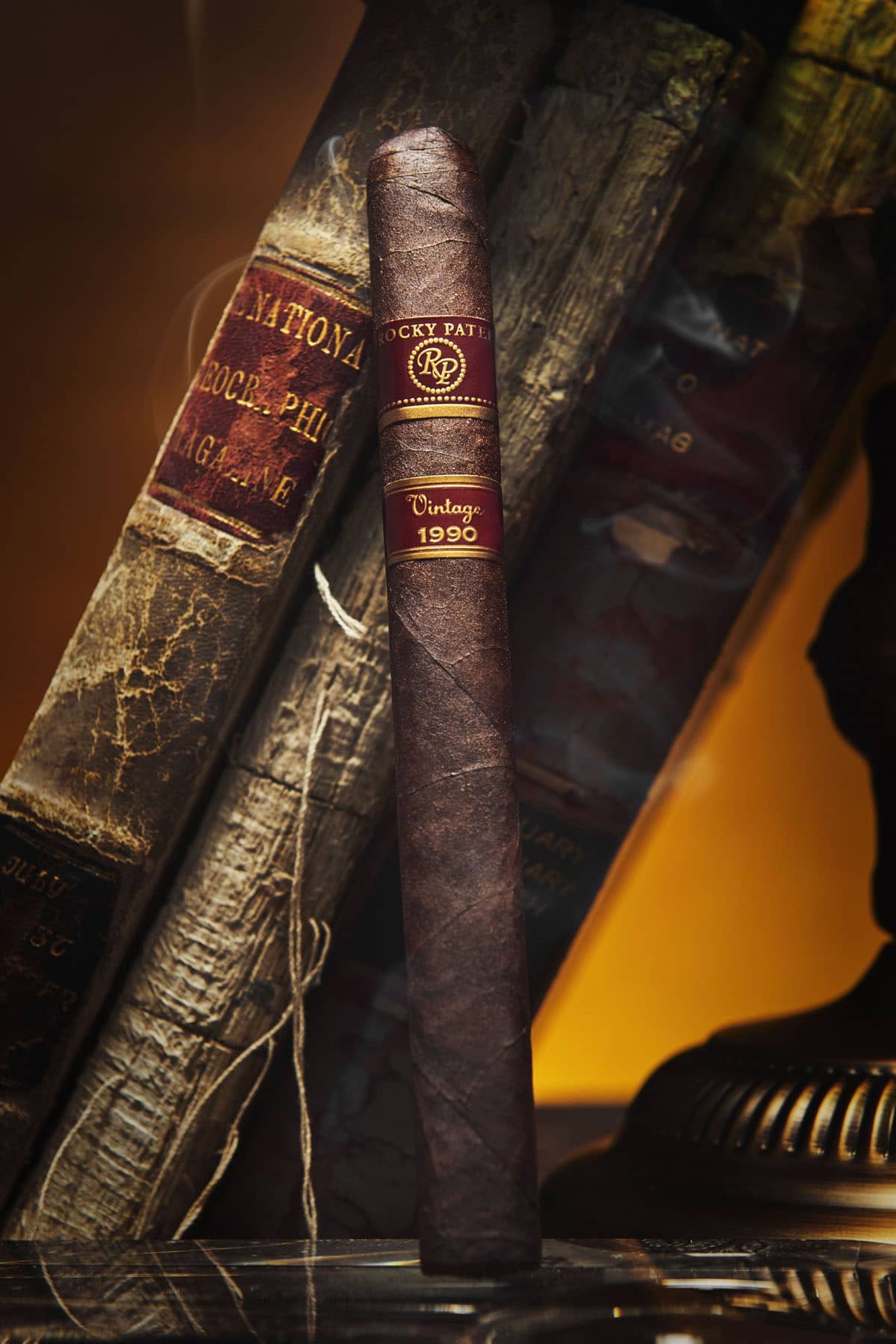
Posted on 1 Comment

Nicaragua vs Honduras vs Dominican Republic vs Ecuador vs Mexico – How Terroir Changes Cigar Tobacco and Flavor

Rocky Patel DBS

If two tobacco plants come from the same seed family, why can they produce noticeably different leaves when one is grown in Nicaragua, another in Ecuador and another in Mexico? The answer begins with a word borrowed from wine: terroir.

In premium cigars, terroir is not magic and it is never the whole story. It is the combination of soil, altitude, rainfall, temperature, sunlight, wind, drainage and microclimate in which the plant develops. On top of that come seed genetics, the leaf’s position on the plant, harvest timing, curing, fermentation, aging and finally the decisions of the master blender.

This is why statements such as “Nicaraguan tobacco is strong” or “Dominican tobacco is mild” are useful only as a first approximation. Premium tobacco is much more complex.

Rocky Patel provides excellent examples. A single cigar may combine an Ecuadorian wrapper, a Mexican binder and filler leaves from Honduras and Nicaragua. The purpose is not to identify one universally “best” country. The blender looks for different ingredients that perform different functions in the final composition.

This guide is designed for readers who want to move from “I like this cigar” to “I understand why this blend tastes and behaves the way it does.”

1. What terroir means in the cigar world

Terroir describes the influence of place on an agricultural crop. Tobacco of related genetics can develop differently when grown in different environments.

Soil affects drainage and nutrient availability. Sun exposure influences leaf thickness and structure. Wind can stress the plant and alter how it develops. Rainfall and irrigation affect growth rate, while altitude and daily temperature changes help define the local microclimate.

But we should avoid an overly literal interpretation. We do not simply “smoke the soil.” When a cigar is described as earthy, mineral, sweet or spicy, that does not mean those flavors moved directly from the ground into the leaf. The environment influences the plant; curing, fermentation and aging then transform that raw material.

Terroir never works alone

Two leaves from the same field may serve completely different purposes. Upper leaves receive more sun and are often thicker and stronger. Lower leaves tend to be thinner and milder. Wrapper tobacco must also meet demanding visual and structural requirements.

When studying a cigar, ask:

  • Which country produced the leaf?
  • Which valley or region?
  • What seed variety was used?
  • Where on the plant did the leaf grow?
  • Is it wrapper, binder or filler?
  • How was it fermented and aged?

Only then does “origin” become truly informative.

2. Nicaragua – one country, several personalities

Nicaragua is one of the great centers of modern premium cigar production. Estelí is the industrial heart, while Estelí, Condega and Jalapa are three of the most important growing regions.

Cigar Aficionado characterizes Estelí tobacco as prized for strength, Condega as generally more medium-bodied and Jalapa as more subtle and particularly suitable for wrapper. Growers interviewed by the publication also describe Jalapa as sweet, Estelí as strong and Condega as occupying a middle ground.

The first lesson is therefore simple: “Nicaragua” is not one flavor.

Estelí – structure, intensity and depth

Estelí is frequently associated with robust tobacco. In a blend it can provide body, strength and persistence.

Tasting impressions may include pepper, espresso, cocoa, earth, wood and spice. These are tendencies, not guarantees. A blender may use a small amount of Estelí tobacco merely to give a cigar more backbone.

A common mistake is to equate Estelí automatically with an extremely strong cigar. Priming matters. A viso leaf and a ligero leaf from the same region will not behave identically.

Condega – a bridge between power and balance

Condega often provides a useful middle register. Its tobacco can offer aroma and structure without always reaching the force associated with stronger Estelí leaf.

In a complex recipe, this makes Condega valuable as a bridge between heavier and more delicate components.

Jalapa – sweetness, finesse and wrapper potential

Jalapa, near the Honduran border, is famous for aromatic tobacco and quality wrapper. Growers often emphasize its sweetness and versatility.

Instead of asking which Nicaraguan region is “best,” ask what each region contributes. A master blender can create complexity through contrast: more force from Estelí, balance from Condega and aromatic sweetness from Jalapa.

3. Why a Nicaraguan puro can still be highly complex

A puro is a cigar whose tobaccos come from one country. Nicaragua has enough internal diversity to produce wrapper, binder and filler with very different characteristics.

“100% Nicaragua” does not mean every leaf comes from the same field. A puro can combine:

  • different valleys;
  • different farms;
  • different seed varieties;
  • different harvest years;
  • different primings;
  • different fermentation and aging periods.

A Nicaraguan puro can therefore be as carefully engineered as a multinational blend.

4. Honduras – Jamastrán and the character of an underestimated neighbor

Honduras has a long history of tobacco cultivation and cigar production. For Rocky Patel enthusiasts, Jamastrán is especially relevant.

Honduran tobacco is often associated with earth, wood, spice and a somewhat rustic sweetness, but such descriptions must remain flexible. The region, seed, priming and processing all matter.

Jamastrán can produce leaves with enough character to stand alongside Nicaraguan components rather than merely supporting them.

Rocky Patel Emerald is a useful modern case study. It combines an Ecuadorian Habano wrapper, binders from Nicaragua and Mexico, predominantly Nicaraguan filler and a single leaf from Honduras’s Jamastrán Valley. Rocky Patel specifically describes that Honduran component as contributing complexity.

Sometimes one leaf from a different terroir can alter the balance of an entire cigar.

5. Nicaragua vs Honduras – geographically close, not interchangeable

Nicaragua and Honduras are neighbors and both can produce powerful, complex tobacco. That does not make their leaves interchangeable.

Blenders frequently combine the two precisely because their differences are useful. One component may provide structure while another contributes a different sweetness, texture or spice.

Rocky Patel The Edge 20th Anniversary illustrates this approach: its filler and binder combine Nicaraguan and Honduran tobacco beneath an Ecuadorian Sumatra wrapper aged for more than ten years.

If all origins tasted the same, this architecture would have little purpose.

6. Dominican Republic – elegance should not be confused with weakness

The Dominican Republic is one of the historic centers of premium cigar tobacco. The Cibao Valley is its principal growing zone.

Dominican Olor and Piloto are two important names. In broad terms, Olor is often associated with aroma and balance, while Piloto can bring more structure and strength.

This corrects a common stereotype: “Dominican equals mild.”

Many Dominican cigars are refined and creamy, but Dominican tobacco can also be forceful. Final strength depends on variety, priming and the proportions chosen by the blender.

Why Dominican tobacco is valuable to a blender

A blend needs more than raw power. It needs transitions, aroma, combustion and balance.

A Dominican component can open up a dense blend and add perfume or elegance. In another recipe, Piloto may be selected for structure.

Saying only “Dominican” is like saying “Italian wine”: true, but far from sufficient.

7. Ecuador – a powerhouse for premium wrappers

Ecuador occupies a special position because it is an extremely important source of wrapper leaf.

Frequent natural cloud cover in some growing areas filters direct sunlight. This diffused light can favor thinner, elastic, visually attractive leaves—qualities highly valued in wrapper tobacco.

Important families include:

  • Ecuadorian Connecticut;
  • Ecuadorian Habano;
  • Ecuadorian Sumatra.

“Ecuadorian Connecticut” does not mean the tobacco was grown in Connecticut. It indicates Connecticut-type seed genetics cultivated in Ecuador. The same logic applies to Habano- or Sumatra-seed tobacco grown there.

8. Ecuadorian Connecticut vs Habano vs Sumatra

These families can create very different experiences.

Ecuadorian Connecticut

It is commonly associated with a fine texture and an approachable profile: cream, light wood, nuts, delicate sweetness and restrained spice.

Yet wrapper alone does not determine strength. A Connecticut wrapper can cover a much stronger filler blend.

Ecuadorian Habano

Habano grown in Ecuador can deliver more aromatic intensity, spice, sweetness and structure.

Rocky Patel Emerald uses an Ecuadorian Habano wrapper yet is deliberately positioned on the lighter side of medium-bodied. This is an excellent reminder that “Habano” does not automatically mean a very strong cigar.

Ecuadorian Sumatra

Ecuadorian Sumatra can combine sweetness, spice and aromatic richness.

Rocky Patel The Edge 20th Anniversary uses an Ecuadorian Sumatra wrapper aged for more than ten years. Here terroir and seed are joined by a third variable: aging.

9. Mexico – San Andrés and the rise of the dark wrapper

When premium cigar enthusiasts discuss Mexican tobacco, San Andrés is the name that appears most often.

The region is known for fertile volcanic soils and a long tobacco-growing tradition. San Andrés Negro can provide color, structure, sweetness and excellent wrapper characteristics.

Growers have emphasized the tobacco’s natural sweetness, strength and combustion qualities.

One misconception must be avoided: a dark wrapper does not automatically mean a very strong cigar.

Color reflects genetics and processing. Strength comes from the entire blend.

10. Rocky Patel DBS – a case study in Mexican San Andrés

DBS is one of the strongest examples for Mister Tabaco readers who want to understand origin.

DBS means Double Broadleaf Selection, but its wrapper is Mexican San Andrés.

The blend combines:

  • Mexican San Andrés wrapper;
  • Nicaraguan and Pennsylvania Broadleaf binders;
  • Honduran and Nicaraguan Broadleaf fillers.

Look at the architecture. Mexico shapes the exterior and an important part of the first aromatic impression. Nicaragua and Pennsylvania build the binder layer. Honduras and Nicaragua form the core.

Calling DBS simply a “Mexican cigar” would miss most of the story. Calling it only Nicaraguan-Honduran would ignore its wrapper. Modern blending is multinational by design.

11. Wrapper, binder and filler – origin does not carry the same weight in every position

To understand terroir, we need to understand cigar anatomy.

Wrapper

The outer leaf must combine flavor, elasticity, burn and appearance. It can strongly influence the aromatic impression, but there is no universal percentage that accurately measures its contribution to every cigar.

Binder

The binder holds the filler together and affects combustion and structure. In sophisticated blends it can be chosen for flavor as well as mechanics.

Filler

The filler is the core. Premium long filler may combine several leaves from different valleys, primings and harvests.

A specification such as “Ecuador wrapper, Nicaragua/Honduras filler” is therefore a map of the blend, not a decorative list.

12. Why the same seed does not produce the same tobacco everywhere

Imagine taking related seed genetics and planting them in two regions with different soil, sunlight, humidity, wind, altitude and rainfall.

The plants respond to their environment.

Leaves can differ in thickness, oils, elasticity, combustion and intensity. After fermentation, those differences may become even more pronounced.

This is why terms such as Ecuadorian Connecticut and Ecuadorian Habano matter: genetics form one part of identity; geography forms another.

The next article, Shade-Grown vs Sun-Grown, will explore the role of light in even greater detail.

13. A cigar is closer to an orchestra than a solo

Many buyers search for “the best tobacco in the world.” A master blender is usually solving a different problem: finding the right combination.

Think of an orchestra.

Estelí might provide percussion—energy and structure. Jalapa may contribute aromatic sweetness. Ecuadorian Sumatra can carry a theme at the surface. San Andrés may add a darker, sweeter register. A Honduran component can connect two otherwise contrasting sections.

The analogy is not literal. Its purpose is to show why the “best” ingredient in isolation does not automatically create the best cigar.

14. How to read a cigar specification correctly

The next time you look at a cigar, do not stop at the brand name.

Check:

  • country of manufacture;
  • wrapper origin;
  • binder origin;
  • filler origin;
  • declared seed variety;
  • aging information;
  • vitola;
  • declared strength.

Country of manufacture and tobacco origin are not the same thing.

Rocky Patel Emerald, for example, is made in Nicaragua but combines tobacco from Ecuador, Nicaragua, Mexico and Honduras.

That distinction is fundamental for an informed buyer.

15. Five myths about tobacco-growing countries

Myth 1: Nicaragua always means very strong

False. Region, priming and blend construction can radically change the result.

Myth 2: Dominican always means mild

Too simplistic. Dominican tobacco can provide substantial structure and strength.

Myth 3: A dark wrapper is stronger

Color is not a nicotine meter.

Myth 4: A puro is superior to a multinational blend

There is no such rule. They are different blending philosophies.

Myth 5: Country of manufacture tells you where all the tobacco was grown

False. Read wrapper, binder and filler separately.

16. How to conduct a terroir comparison

Structured tasting is the best teacher.

Do not compare ten cigars in one evening. Select two or three and keep conditions as similar as possible.

Record:

  • cold aroma;
  • first ten minutes;
  • sweetness;
  • spice;
  • smoke texture;
  • earthiness;
  • cocoa/coffee notes;
  • vegetal or floral character;
  • changes through the thirds;
  • finish;
  • strength;
  • body;
  • flavor intensity.

Most importantly, do not force the cigar to confirm a theory. If a Nicaraguan-heavy blend tastes creamy and sweet to you, write that down. Good tasting observes; it does not try to prove stereotypes.

17. Three Rocky Patel exercises for Mister Tabaco readers

Exercise A – The Edge 20th Anniversary

Focus on the relationship between the ten-plus-year-aged Ecuadorian Sumatra wrapper and the Nicaraguan/Honduran core.

Question: does the wrapper contribute a distinct sweetness or spice over the filler?

Exercise B – DBS

Focus on Mexican San Andrés and the Broadleaf structure inside.

Question: can you distinguish the wrapper’s character from the density of the filler?

Exercise C – Compare vitolas of the same blend

If you have Robusto, Toro and Sixty from the same line, keep the tobacco origins constant and change geometry.

Question: how much of the difference comes from terroir and how much from the wrapper-to-filler ratio created by vitola?

This experiment teaches more than memorizing a list of “country flavors.”

18. Choose by profile, not by flag

For beginners, country can be a useful filter, but it should never become a restriction.

If you prefer finesse, explore balanced medium-bodied blends and elegant wrappers. If you want dense cocoa, espresso, earth and spice, explore San Andrés, Broadleaf and more robust Nicaraguan/Honduran fillers.

But always read the complete blend.

An Ecuadorian wrapper can cover a powerful core. Mexican San Andrés can be used in a remarkably balanced cigar. A Nicaraguan blend can be designed around sweetness rather than aggression.

Buy the profile, not the stereotype.

19. Quick orientation guide

Nicaragua

Key regions: Estelí, Condega, Jalapa. Possible roles: wrapper, binder, filler. Common tendencies: pepper, earth, coffee, cocoa, sweetness, intensity. Remember: internal regional differences are substantial.

Honduras

Relevant region: Jamastrán. Possible roles: wrapper, binder, filler. Common tendencies: earth, wood, spice, structure, rustic sweetness. Remember: Honduran tobacco often works beautifully alongside Nicaragua.

Dominican Republic

Key region: Cibao. Known varieties: Olor, Piloto. Common tendencies: aroma, balance, wood, cream, spice. Remember: “Dominican = mild” is an oversimplification.

Ecuador

Major role: wrapper. Important families: Connecticut, Habano, Sumatra. Range: from creamy finesse to richer spice and sweetness. Remember: seed name and country of cultivation are different concepts.

Mexico

Key region: San Andrés. Famous role: wrapper, though Mexican tobacco can serve other functions. Common tendencies: cocoa, earth, dark sweetness, coffee, spice. Remember: dark color does not prove high strength.

20. FAQ – terroir and tobacco origin

Which country grows the best cigar tobacco?

There is no universal winner. Different countries excel in different roles, and many great cigars intentionally combine several origins.

Does Nicaragua produce only strong cigars?

No. Estelí, Condega and Jalapa differ, and the blender controls intensity through priming, proportions and processing.

Why is Ecuador so important for wrapper?

Its growing conditions allow producers to cultivate fine, elastic and aromatic wrapper leaves from several seed families.

What is Mexican San Andrés?

Tobacco associated with Mexico’s San Andrés region, prized especially for wrapper and known for sweetness, depth and character.

Is every San Andrés wrapper a Maduro?

No. Origin/seed and processing are separate concepts. Maduro should be understood through fermentation and maturation, not country alone.

Which is stronger, Nicaragua or Honduras?

Country alone cannot answer the question. Both can produce powerful leaf. The final blend determines the smoking experience.

Is Dominican tobacco weaker?

Not necessarily. Variety and priming matter greatly, and Piloto can provide substantial structure.

What does Ecuadorian Habano mean?

Habano-family seed tobacco cultivated in Ecuador.

What does Ecuadorian Sumatra mean?

Sumatra-family tobacco cultivated in Ecuador. Rocky Patel The Edge 20th Anniversary uses such a wrapper aged for more than ten years.

What is a puro?

A cigar whose tobaccos originate from one country. It does not mean all leaves come from the same farm or valley.

Is the cigar’s country of origin the same as the wrapper’s origin?

No. Country of origin can refer to manufacture, while the wrapper may have been grown elsewhere.

Why would a blender combine four countries in one cigar?

To achieve balance, complexity, combustion and an aromatic profile that no single origin produces in exactly the same way.

21. Conclusion – geography is the beginning; blending is the result

At first, cigar-producing countries seem like neat categories: Nicaragua means power, the Dominican Republic means finesse, Ecuador means wrapper and Mexico means San Andrés.

Then the subject becomes more interesting.

Nicaragua divides into Estelí, Condega and Jalapa. Honduras contributes Jamastrán and its own tobacco traditions. The Dominican Republic offers contrasts between Olor, Piloto and other selections. Ecuador changes the behavior of Connecticut-, Habano- and Sumatra-family tobacco through its environment. Mexico has made San Andrés one of the most recognizable names in modern wrapper tobacco.

The master blender takes all of those variables and turns them into one cigar.

Terroir should therefore not be treated as a horoscope for flavor. It does not tell you with certainty what you will taste. It gives you context for understanding where parts of the experience may come from.

Before lighting your next cigar, read the blend specification. Identify wrapper, binder and filler. Locate the countries and, when available, the valleys. Then taste without prejudice.

At that point a cigar becomes more than a product. It becomes an agricultural map that can be smoked and interpreted.

Mister Tabaco

At Mister Tabaco, you can turn theory into practical comparisons between blends, vitolas and origins.

Continue the Tobacco Guide

What Is Premium Tobacco and How Is It Different from Ordinary Tobacco?

Wrapper, Binder and Filler – the anatomy of a premium cigar

Corojo, Criollo, Connecticut, Habano, Sumatra, Broadleaf and San Andrés – A Guide to the Major Wrapper Families

Maduro Explained Properly – Color, Fermentation, Flavor and the Strength Myth

Ligero, Seco and Volado – how leaf position changes a premium cigar

How Cigar Tobacco Is Grown – From Seed to Harvest

Tobacco Fermentation – The Process That Transforms the Leaf

Tobacco Aging – Why Some Cigar Leaves Are Aged for Years

Nicaragua vs Honduras vs Dominican Republic vs Ecuador vs Mexico – How Terroir Changes Cigar Tobacco and Flavor

How a Master Blender Creates a Cigar

Shade-Grown vs Sun-Grown: How Light Changes a Cigar Wrapper

Long Filler vs Short Filler – The Real Differences in Cigar Construction

Strength vs Body vs Flavor – How to Describe a Cigar Correctly

How Vitola Changes Cigar Flavor: Robusto vs Toro vs Churchill vs Sixty

How to Choose Your First Premium Cigar – A Complete Beginner’s Guide

How to Taste a Premium Cigar and Identify Aromas

How to Store Cigars Properly: Humidor, Temperature and Humidity

Common Mistakes That Can Ruin the Experience of a Premium Cigar

Rocky Patel Guide: Differences Between the Main Collections at Mister Tabaco

Rocky Patel Vintage 1990 vs Vintage 1999: Aged Broadleaf or Delicate Connecticut?

Rocky Patel Number 6 vs DBS: Balanced Corojo or Broadleaf Architecture?

Rocky Patel SIXTY vs A.L.R. Second Edition: Two San Andrés Interpretations, Two Aging Philosophies

Rocky Patel Edge 20th Anniversary and the Role of Aged Tobacco: What Time Can Do to a Premium Wrapper

How to Choose a Rocky Patel by Experience, Strength and Flavor Profile

Explore the Cigar Guide

How to Choose Your First Cigar

Which Rocky Patel Cigar Should You Choose as a Beginner?

How to Smoke a Cigar Properly

Robusto, Toro or Churchill? Cigar Size Guide

How to Store Cigars Properly

Cuba vs Nicaragua vs Dominican Republic vs Honduras

How to Identify Cigar Flavors

Cigar Pairing with Whisky, Rum, Cognac or Coffee

10 Common Cigar Mistakes Beginners Make

How to Choose a Cigar as a Gift or for a Special Occasion

Tobacco products are intended for adults only. Smoking seriously damages your health.
Posted on Leave a comment

Tobacco Aging – Why Some Cigar Leaves Are Aged for Years

Rocky Patel Vintage 1990 Broadleaf

1. Where Aging Begins in the Life of a Tobacco Leaf

The sequence is fundamental: Harvesting → Curing → Fermentation → Aging During curing, freshly harvested tobacco leaves gradually lose moisture and change from green to brown. Fermentation is different. Conditioned leaves are assembled into large piles traditionally known as pilónes. Moisture, pressure and naturally occurring biological and chemical processes generate heat inside the pile. During controlled fermentation, harsh characteristics are reduced, ammonia dissipates and the chemical composition of the tobacco changes. Aging generally occurs once the active fermentation stage has been completed, although manufacturers may use multiple fermentation and resting cycles depending on the tobacco. At this stage, the tobacco is considerably drier and is commonly stored in bales. The critical difference is intensity. Fermentation is comparatively active and generates substantial heat. Aging is slower and more gradual. That is why saying that tobacco was “fermented for five years” is not the same as saying that it was “aged for five years.”

2. What Is Bale Aging?

A bale is a compact package of tobacco that has already undergone the necessary fermentation. Relatively dry leaves are arranged, compressed and wrapped, traditionally in materials such as burlap. The exact dimensions and weight of tobacco bales vary between producers and operations. What matters is the principle: the leaf can remain in this stable format for years and, in exceptional circumstances, much longer. Why use bales? Because they provide an environment suitable for extremely slow development. The objective is no longer the intense fermentation taking place inside a pilón. The manufacturer now wants stability, time and subtle transformation. A useful analogy is the difference between a strong fire and glowing embers: Fermentation is the fire. Aging is the slow ember.

3. What Changes in Tobacco During Aging?

Aging is not simply storage. The compounds inside the leaf continue to evolve gradually. Over time, properly aged tobacco may lose some of its raw vegetal character and harsh edges. Aromatic components become more integrated, while the sensory impression can become rounder and more refined. For the cigar smoker, successful aging may translate into:

  • less harshness;
  • lower perceived acidity;
  • a rounder texture;
  • greater integration between flavors;
  • more refined impressions of nuts, dried fruit, wood, cocoa, cream or spices.

This does not mean aging artificially introduces these flavors. No one is putting cocoa, cedar or dried fruit into the tobacco. Instead, slow transformations in the leaf alter the way its existing aromatic compounds are perceived. This distinction is essential. Aging refines the raw material. It does not replace it.

4. Why Stronger Tobacco Can Benefit from Extended Aging

Ligero and other thick, oily, powerful leaves can require considerable time to become properly integrated into a premium cigar blend. This reveals one of the interesting paradoxes of premium cigar production. A master blender does not necessarily want to eliminate the tobacco’s power. The goal is often to remove brutality without removing character. A mature ligero leaf may remain intense while becoming more refined. Pepper can feel more polished. Natural sweetness may become easier to detect. Transitions between different aromatic impressions may become clearer. Consequently, the expression “mellowed with age” should not automatically be interpreted as “weak.” A tobacco can become smoother without becoming boring.

5. Does Older Automatically Mean Better?

No. This is perhaps the most important principle in the entire discussion about cigar aging. Not every cigar improves indefinitely. There is a point of diminishing returns, and the ideal aging window depends on the tobacco and the blend. Mediocre tobacco does not become extraordinary simply because it spends ten years in a warehouse. If the leaf was poorly cultivated, badly fermented or incorrectly stored, time cannot manufacture quality from nothing. Furthermore, excessive aging can sometimes remove characteristics that originally made a blend exciting. A young cigar may offer energetic pepper, vivid aromatic contrast and a certain freshness. With extended aging, those elements may become softer and more integrated—but sometimes also less energetic. The intelligent question is therefore not: “How old is this tobacco?” It is: “What has this tobacco gained through aging?”

6. Aging Tobacco vs Aging a Finished Cigar

These two concepts are often confused. Pre-roll aging This occurs before the cigar is rolled. Individual tobacco leaves are fermented and subsequently aged before being selected for a blend. This is where bale aging and the manufacturer’s tobacco reserves become particularly important. Post-roll aging A second maturation stage can occur after the cigar has been rolled. Wrapper, binder and filler leaves have previously been handled independently and may have slightly different moisture levels. Once combined into a cigar, they become a single physical system. Manufacturers can therefore place finished cigars in aging or resting rooms. This allows moisture levels to stabilize and the components of the blend to integrate. A manufacturer can consequently use tobacco that has already been aged for many years and then age the finished cigar for additional months—or even years.

7. What Does “Marrying” Mean After Rolling?

“Marrying” sounds poetic, but it describes a practical phenomenon. A premium cigar usually contains several components: Wrapper + Binder + Filler The filler itself may contain tobaccos from different regions, farms, primings or harvests. Each leaf has followed its own journey through cultivation, curing, fermentation and aging. Once the cigar is rolled, these separate components begin functioning together. Resting allows moisture to stabilize throughout the cigar and can help the overall aromatic profile become more coherent. This is one reason a cigar smoked immediately after production may sometimes appear less integrated than the same blend after an appropriate resting period. It also helps explain why cigars may occasionally benefit from rest after transportation or significant environmental changes.

8. Box Aging – What Can the Consumer Do at Home?

There is another form of aging: aging performed by the cigar owner. Boxes or individual cigars can be kept under stable humidor conditions for months or years. This can become a fascinating experiment. But it should not become a religion. Not every cigar improves with prolonged storage. An intelligent experiment is to purchase several cigars from the same batch and compare them at different intervals:

  • smoke one now;
  • another after six months;
  • another after twelve months;
  • another after twenty-four months.

Use the same tasting criteria each time. Record:

  • strength;
  • body;
  • flavor;
  • pepper;
  • sweetness;
  • texture;
  • complexity;
  • finish;
  • overall balance.

This experiment can teach you more about aging than simply reading marketing descriptions.

9. Why Cigar Manufacturers Maintain Huge Tobacco Libraries

Tobacco is an agricultural product. Two consecutive harvests are never perfectly identical. Rainfall, temperature, wind, soil conditions and harvest timing can influence leaf thickness, oils, sugars, combustion and intensity. Yet consumers expect a familiar cigar line to maintain a reasonably consistent profile from year to year. This is where tobacco reserves become strategically important. Serious manufacturers maintain bales from different crops and lots. A master blender can draw from these reserves to compensate for agricultural variation and maintain the identity of an established blend. A warehouse filled with aged tobacco is therefore more than inventory. It is an aromatic library.

10. The Hidden Cost of Ten-Year-Aged Tobacco

When you read “10-year-aged tobacco,” think about economics as well as flavor. The tobacco first had to be cultivated or purchased. Then it had to be sorted. Fermented. Packed. Stored. Inspected. Protected. Warehouse space costs money. Inventory ties up capital. There are natural losses and risks associated with long-term storage. And throughout those ten years, the producer cannot convert that particular tobacco into immediate revenue. This is why genuinely valuable old tobacco reserves can become strategically important for limited editions, anniversary releases and blends built specifically around mature leaf. Time is not free. In premium cigar manufacturing, time itself becomes part of the production cost.

11. Rocky Patel Vintage 1990 – A Practical Example of an Aged Wrapper

Rocky Patel Vintage 1990 is an excellent real-world example. The manufacturer describes the cigar as medium-bodied, leaning toward the milder side, and highlights a 12-year-old Honduran Broadleaf wrapper. Rocky Patel specifically notes that the wrapper softened in strength over the years while gaining complexity and character. This is almost a textbook illustration of successful aging. The objective was not to erase the identity of the tobacco. It was to transform it. A Broadleaf wrapper that might have been more direct and forceful when younger can become rounder, more integrated and more layered after prolonged maturation. Mister Tabaco’s range allows this concept to be explored across vitolas such as Robusto, Toro and Six by Sixty.

12. Rocky Patel A.L.R. Second Edition – When Aging Continues After Rolling

A.L.R. stands for: Aged. Limited. Rare. What makes A.L.R. Second Edition especially relevant to this subject is that aging does not end with the individual leaves. The finished cigars themselves were deliberately rested before release. Published information about the line describes the cigars as spending approximately two years aging after rolling. This is post-roll aging on a commercial scale. From a business perspective, that decision is significant. The manufacturer has already paid to cultivate or acquire the tobacco, ferment it, age it, blend it and roll the finished cigar. The product physically exists. But instead of selling it immediately, the company keeps it in storage because the blend is expected to benefit from additional integration. For enthusiasts, A.L.R. Second Edition therefore provides a particularly useful case study in post-roll maturation.

13. Edge 20th Anniversary – When Mature Tobacco Becomes Part of the Story

Rocky Patel The Edge 20th Anniversary offers another approach. The cigar uses an Ecuador Sumatra wrapper over Nicaraguan and Honduran tobaccos, and the line is positioned as an anniversary interpretation of The Edge. The Ecuadorian Sumatra wrapper is described as having been aged for more than ten years. This creates a useful comparison: Vintage 1990 emphasizes a 12-year-aged Honduran Broadleaf wrapper. A.L.R. Second Edition demonstrates extended post-roll aging. Edge 20th Anniversary illustrates the use of mature tobacco as a defining element of an anniversary blend. Three cigars. Three different ways in which time becomes part of cigar architecture.

14. “Vintage Tobacco” Does Not Always Mean the Same Thing

The word vintage requires careful interpretation. In wine, vintage usually refers to a specific harvest year. In cigars, commercial usage can vary. Sometimes the word refers to tobacco from a particular crop. Sometimes it emphasizes the age of a particular component. Sometimes it is simply part of the name of a cigar line. The informed consumer therefore asks more precise questions:

  • Which component was aged?
  • For how many years?
  • Was it aged before or after rolling?
  • Is a harvest year specified?
  • Is the manufacturer talking about the wrapper or the entire blend?

These questions are far more informative than simply seeing the word Vintage printed on a box.

15. How Aromas Change Over Time

Successful aging often reduces harsh contrasts and encourages integration. A young cigar may display very direct pepper, vegetal impressions and a clear separation between sweetness, wood and earth. After maturation, those same characteristics may feel more connected. But there is a trade-off. If you enjoy the energy of young tobacco—the immediate pepper, aromatic attack and sharp contrast—a heavily aged cigar may seem too restrained. Another smoker may interpret exactly the same development as refinement. Aging is therefore not a ladder where every additional year automatically means “better.” It is more like a curve. The ideal point depends on both the blend and the smoker.

16. How to Choose Cigars for Home Aging

Start with a simple principle: Age a cigar that is already good. Do not use aging as an attempt to rescue a cigar you fundamentally dislike. Interesting candidates often have:

  • sufficient body and flavor;
  • robust tobacco;
  • excellent construction;
  • a profile that feels youthful or energetic;
  • enough aromatic structure to evolve.

Buy several identical cigars whenever possible. Smoke one early and keep the others under stable conditions. Most importantly, do not attempt to accelerate aging by aggressively increasing humidity. Higher humidity does not create “faster maturity.” It can create poor combustion, storage problems and potential deterioration. Time cannot be replaced by excessive humidity.

17. Seven Common Myths About Cigar Aging

Myth 1: “The older the cigar, the better.” False. Every blend has its own development curve. Myth 2: “A ten-year-old cigar must be stronger.” Not necessarily. Perceived harshness can soften with maturation. Myth 3: “Aging and fermentation are the same thing.” They are not. Fermentation is substantially more active and generates heat. Myth 4: “I can accelerate aging with higher humidity.” No. You are more likely to create storage and combustion problems. Myth 5: “Any inexpensive cigar becomes premium after five years.” No. Raw-material quality remains fundamental. Myth 6: “If the box says Vintage, every leaf has the same age.” Do not assume this. Check the actual blend specification. Myth 7: “Every cigar should be stored for years before smoking.” No. Many cigars are specifically prepared by manufacturers to perform well when released.

18. Mister Tabaco Experiment – Three Forms of Aging

A fascinating educational tasting can be built around three Rocky Patel cigars. Rocky Patel Vintage 1990 Focus on the concept of an extensively aged wrapper. Ask yourself: Is the profile rounded? Does it feel integrated? Is there complexity without excessive aggression? Rocky Patel A.L.R. Second Edition Think about post-roll aging. Focus on the integration between wrapper, binder and filler. Look for coherence and transitions. Rocky Patel Edge 20th Anniversary Focus on the role of mature tobacco within an anniversary blend. Do not try simply to select a winner. Ask the more interesting question: How does each cigar use time differently? That question transforms the session from ordinary smoking into comparative sensory education.

19. FAQ – Tobacco Aging

How long is premium cigar tobacco aged? Often several years after fermentation, although the period depends heavily on the type of tobacco and the producer’s objectives. Certain reserves can be maintained considerably longer. What is bale aging? The slow maturation of relatively dry, fermented tobacco stored in compact bales. Is aging simply continued fermentation? No. Slow transformations continue, but bale aging is not the same active, heat-generating process as fermentation in a pilón. Why are cigars aged after rolling? To help stabilize moisture and allow wrapper, binder and filler to become more integrated. What is box aging? Long-term storage of finished cigars—often in their original boxes—under controlled humidor conditions. Is a twenty-year-old cigar automatically extraordinary? No. Depending on the original blend and storage conditions, it can be exceptional, flat or damaged. Does aging eliminate nicotine? A cigar may feel smoother and more integrated with age, but aging should not be treated as a predictable method of “removing” nicotine. Why do manufacturers preserve tobacco from different harvests? For blending flexibility, complexity and consistency from one production year to another. What does “12-year-old wrapper” mean? For Rocky Patel Vintage 1990, the manufacturer specifically identifies a Honduran Broadleaf wrapper aged for twelve years. What makes A.L.R. Second Edition relevant to aging? The finished cigars were deliberately aged for about two years after rolling before release. Is aging at home worthwhile? It can be an excellent experiment if storage conditions are stable. Keep several examples of the same cigar and taste them at different intervals rather than aging the entire batch indefinitely.

20. Conclusion – Time Is an Ingredient, Not a Guarantee

A master blender cannot purchase ten years of aging at the last minute. If a manufacturer wants a twelve-year-old wrapper today, someone had to make the decision to preserve that tobacco more than a decade ago. That is what makes aging so fascinating. When we examine a premium cigar, we are not looking only at soil, seed variety, fermentation and the craftsmanship of the torcedor. We are also looking at decisions made years earlier. Rocky Patel Vintage 1990, A.L.R. Second Edition and Edge 20th Anniversary illustrate different ways in which time can become part of a cigar’s identity. But the most important lesson remains simple: Time does not automatically create quality. Time can refine. Time can integrate. Time can soften harsh edges. Time can reveal the potential already present in excellent tobacco. That is why aging in the premium cigar world is not simply waiting. It is a deliberate stage in the construction of flavor.

Mister Tabaco

At Mister Tabaco, you can turn theory into practical comparisons between blends, vitolas and origins.

Continue the Tobacco Guide

What Is Premium Tobacco and How Is It Different from Ordinary Tobacco?

Wrapper, Binder and Filler – the anatomy of a premium cigar

Corojo, Criollo, Connecticut, Habano, Sumatra, Broadleaf and San Andrés – A Guide to the Major Wrapper Families

Maduro Explained Properly – Color, Fermentation, Flavor and the Strength Myth

Ligero, Seco and Volado – how leaf position changes a premium cigar

How Cigar Tobacco Is Grown – From Seed to Harvest

Tobacco Fermentation – The Process That Transforms the Leaf

Tobacco Aging – Why Some Cigar Leaves Are Aged for Years

Nicaragua vs Honduras vs Dominican Republic vs Ecuador vs Mexico – How Terroir Changes Cigar Tobacco and Flavor

How a Master Blender Creates a Cigar

Shade-Grown vs Sun-Grown: How Light Changes a Cigar Wrapper

Long Filler vs Short Filler – The Real Differences in Cigar Construction

Strength vs Body vs Flavor – How to Describe a Cigar Correctly

How Vitola Changes Cigar Flavor: Robusto vs Toro vs Churchill vs Sixty

How to Choose Your First Premium Cigar – A Complete Beginner’s Guide

How to Taste a Premium Cigar and Identify Aromas

How to Store Cigars Properly: Humidor, Temperature and Humidity

Common Mistakes That Can Ruin the Experience of a Premium Cigar

Rocky Patel Guide: Differences Between the Main Collections at Mister Tabaco

Rocky Patel Vintage 1990 vs Vintage 1999: Aged Broadleaf or Delicate Connecticut?

Rocky Patel Number 6 vs DBS: Balanced Corojo or Broadleaf Architecture?

Rocky Patel SIXTY vs A.L.R. Second Edition: Two San Andrés Interpretations, Two Aging Philosophies

Rocky Patel Edge 20th Anniversary and the Role of Aged Tobacco: What Time Can Do to a Premium Wrapper

How to Choose a Rocky Patel by Experience, Strength and Flavor Profile

Explore the Cigar Guide

How to Choose Your First Cigar

Which Rocky Patel Cigar Should You Choose as a Beginner?

How to Smoke a Cigar Properly

Robusto, Toro or Churchill? Cigar Size Guide

How to Store Cigars Properly

Cuba vs Nicaragua vs Dominican Republic vs Honduras

How to Identify Cigar Flavors

Cigar Pairing with Whisky, Rum, Cognac or Coffee

10 Common Cigar Mistakes Beginners Make

How to Choose a Cigar as a Gift or for a Special Occasion

Tobacco products are intended for adults only. Smoking seriously damages your health.

Posted on Leave a comment

Tobacco Fermentation – The Process That Transforms the Leaf

Rocky Patel The Edge 20th Anniversary

A premium cigar begins as a plant, but harvested tobacco is nowhere near ready to smoke. Fresh leaves are green, moist and chemically raw. Curing changes their color and reduces moisture, yet the leaf still contains harsh, undesirable characteristics. One of the decisive transformations happens later, in the tobacco warehouse: fermentation.

During fermentation, cured tobacco is conditioned with moisture and arranged in large stacks known as pilónes. Pressure, moisture and natural enzymatic and microbial activity generate heat inside the stack. The temperature is monitored; when the tobacco reaches the maker’s target, the pilón is dismantled, the leaves are redistributed and the stack is built again. Cigar Aficionado documents pilónes weighing several thousand pounds and temperatures that can approach 140°F in some processes. Rocky Patel describes approximately 2,500-pound pilónes and a working range around 110–130°F in its own process. These figures are not universal recipes: leaf type, thickness, priming and the blender’s goal determine the protocol.

1. Curing and fermentation are not the same process

Curing begins after harvest. Leaves hang in barns while moisture declines and chlorophyll breaks down; green turns to yellow and eventually brown. Fermentation follows curing. The leaf is carefully reconditioned and stacked so that heat-producing transformations can refine it.

Think of curing as preparing the raw material, fermentation as refining it, and aging as the slow maturation that follows. Using these terms interchangeably hides some of the most important work in premium cigar production.

2. What exactly is a pilón?

A pilón is an engineered stack of tobacco, not a random pile. Leaves are normally classified so that tobacco of similar size, structure and type ferments together.

The mass of tobacco creates pressure. Moisture and biological activity generate heat. Because the center becomes warmer than the outer layers, the stack must be managed continuously.

Rocky Patel states that its leaves are rehydrated and hand-stacked into pilónes of roughly 2,500 pounds. When the desired temperature is reached, the tobacco is turned. The company describes fermentation lasting from about six months to more than a year depending on the tobacco.

3. Where does the heat come from?

No fire is used. The heat is produced within the mass of conditioned leaf.

Residual moisture and organic compounds support enzymatic and microbial processes. In a large, compressed stack, the energy from those processes raises the internal temperature. This is why fermentation is both natural and highly managed.

Temperature is therefore a key operational signal. Experienced tobacco workers do not simply wait for a calendar date. They monitor the pilón, smell the leaf, feel it and judge how it is progressing.

4. Why the pilón must be turned

The tobacco in the center experiences more heat than the tobacco on the outside. If the stack were never moved, fermentation would be uneven and the central leaves could be damaged.

During a turn, workers dismantle the pilón and redistribute the hands of tobacco. Inner leaves move outward; outer leaves move inward; upper and lower sections can change positions. The pilón is then rebuilt.

Rocky Patel describes turning its stacks every 7–10 days in the process shown on its website, subject to the target temperature. Other producers use different schedules. The skill lies in reading the leaf rather than blindly following a timer.

5. Ammonia, bitterness and harshness

Under-fermented tobacco may smell strongly of ammonia and taste sharp, bitter or raw. Fermentation helps remove impurities and changes the chemical character of the leaf.

Cigar Aficionado has described fresh fermentation rooms as eye-stinging because of ammonia released from the bulks. As processing progresses, harshness falls and the tobacco’s more attractive aromatic potential becomes clearer.

Fermentation does not literally add chocolate, coffee, nuts or spice. Those tasting terms are sensory associations used to describe aromas and flavors perceived in processed tobacco.

6. Different leaves ferment at different rates

A thin wrapper leaf and a thick ligero leaf cannot automatically be treated the same way. Thickness, oil content, plant position, seed variety and growing region all affect fermentation.

Delicate tobacco can require gentler cycles. Thick, powerful leaf may need more time or repeated cycles. Cigar Aficionado contrasts relatively thin Connecticut Shade with heavier Broadleaf, which often demands more intensive processing.

This is why “fermented for X months” is not, by itself, a quality statement. The relevant questions are: which tobacco, at what moisture and temperature, for what purpose?

7. Why wrapper fermentation is especially demanding

The wrapper is the visible outer leaf and an important contributor to flavor. Premium wrapper must remain supple, structurally sound and visually attractive.

Overly aggressive fermentation can damage the leaf or strip away qualities the blender wants to preserve. Insufficient fermentation can leave green, bitter or ammoniacal characteristics.

Producing wrapper tobacco therefore requires precision at every stage, from field selection to sorting and fermentation.

8. Fermentation, color and the road to Maduro

Maduro is often misunderstood as a synonym for “very strong.” It is not.

Dark Maduro wrappers generally come from suitable leaf processed through longer or more intensive controlled fermentation. The process can deepen color and help develop impressions such as cocoa, coffee, earth, molasses or sweetness. None of those descriptors automatically determines nicotine strength.

Mexican San Andrés is a classic example of a leaf capable of substantial fermentation. Reporting from the Turrent family’s operations in San Andrés Tuxtla describes very large pilónes of black tobacco reaching around 140°F before being turned.

A later article in this series will separate four ideas that are often confused: wrapper color, fermentation, flavor and strength.

9. What happens when fermentation stops too early?

Under-fermented tobacco can retain sharp, vegetal, bitter or ammonia-like qualities. In a cigar these notes can overwhelm the blend.

A humidor cannot necessarily “repair” this problem. Aging and fermentation are different processes. A poorly processed cigar does not automatically become excellent because it spends two years in a box.

Age is therefore not proof of correct fermentation.

10. What if fermentation goes too far?

Excessive heat, moisture or time can damage the leaf, flatten its character or even ruin an entire pilón.

Jorge Padrón has discussed the real production risk of losing tobacco during rigorous fermentation, noting that the company would rather accept losses than knowingly use under-fermented leaf.

Premium fermentation is not about maximizing time or heat. It is about stopping at the correct point.

11. Natural fermentation versus forcing a dark appearance

Consumers sometimes assume that the darkest wrapper must be the most premium. Color can be misleading.

The goal in premium production is controlled transformation of the leaf, not simply forcing a black appearance. Dark tobacco is not automatically older, sweeter, stronger or more expensive.

Judge a cigar by the producer, blend, provenance and smoking experience—not by wrapper shade alone.

12. What comes next: aging

After fermentation, tobacco is sorted again and commonly packed into bales for slower maturation.

Cigar Aficionado describes fermented leaf aging in bales for two to several years in many premium-cigar programs. Moisture is lower than during active fermentation, so the same level of heat is not produced.

Aging can soften rough edges and add nuance. It is the subject of the next article in this series.

13. Why old tobacco inventories matter to master blenders

A master blender does not merely work with “Nicaraguan” or “Honduran” tobacco. The real palette includes farms, lots, primings, seed varieties and crop years.

Large inventories of properly fermented and aged tobacco allow a manufacturer to preserve a brand’s character despite agricultural variation. One crop may be stronger, another sweeter or thinner. Blending across lots helps maintain consistency.

For a serious cigar house, the tobacco warehouse is therefore one of its most important assets.

14. Practical examples from Mister Tabaco’s Rocky Patel selection

Rocky Patel Vintage 1990

A useful cigar for discussing mature tobacco and the difference between refinement and raw intensity.

Rocky Patel Vintage 1999

An excellent comparison point against Vintage 1990, especially for observing how a different wrapper changes creaminess, sweetness and perceived strength.

Rocky Patel SIXTY

A richer profile where fermentation of robust tobacco is crucial: the leaf must be refined without erasing its personality.

Rocky Patel A.L.R. Second Edition

A.L.R. stands for Aged, Limited and Rare. It naturally opens the discussion about what happens after fermentation and why additional maturation can matter.

Rocky Patel DBS

A useful counterpoint for smokers seeking more structure and intensity. Powerful components require particularly careful processing to remain balanced.

Product availability can change; link only active Mister Tabaco products when the article is published.

15. Can a smoker recognize well-processed tobacco?

There is no single foolproof test, but there are clues.

A well-made cigar should not be dominated by ammonia. Smoke may be intense without being crudely aggressive. Aromas should have some clarity and the cigar should be able to show development rather than persistent raw-leaf harshness.

Still, a rough experience does not prove faulty fermentation. Incorrect storage, smoking too quickly, construction, lighting technique or simple personal preference can create similar symptoms.

16. Five common myths about fermentation

“Longer fermentation always means better tobacco”

False. The process must fit the leaf.

“Maduro automatically means strong”

False. Color and nicotine strength are different variables.

“Aging fixes bad fermentation”

Not reliably. They are distinct processes.

“Every leaf in a cigar is fermented identically”

Not necessarily. Wrapper, binder and filler may come from different lots and protocols.

“A black wrapper proves premium quality”

No. Color alone is not a quality certificate.

17. A tasting exercise for the reader

Choose two contrasting cigars—perhaps a Rocky Patel Vintage 1999 and a SIXTY or DBS, if available.

Record the wrapper aroma, cold draw, first ten minutes, pepper level, perceived sweetness, smoke texture, associations such as cocoa/coffee/wood/nuts/earth/cream, and changes through the second half.

The goal is not to “guess the fermentation.” It is to train your palate to notice how differently processed tobaccos contribute to a blend’s personality.

18. FAQ

How long does tobacco fermentation take?

It can take months and, for some tobaccos and protocols, more than a year. Rocky Patel describes roughly six months to more than one year for its process.

Does a finished cigar ferment?

Finished cigars are normally aged rather than subjected to the same active pilón fermentation. Post-roll aging allows the tobaccos to stabilize and marry.

Why does fermenting tobacco smell like ammonia?

Volatile compounds and impurities are being released from the leaf during active processing.

Is fermentation just drying?

No. Curing/drying and fermentation are separate stages.

What is a pilón?

A controlled stack of conditioned tobacco in which pressure, moisture and natural activity generate fermentation heat.

Why is a pilón turned?

To redistribute the tobacco, manage heat and make processing more uniform.

Is Maduro created only by fermentation?

Fermentation is crucial, but leaf variety, thickness, harvest and producer technique also matter.

Is a darker cigar stronger?

Not necessarily. Strength depends on the entire blend, especially filler composition, not simply wrapper color.

Can I ferment cigars in my humidor?

Not in the industrial pilón sense. A humidor is designed for stable cigar storage, not active leaf fermentation.

Why are some tobaccos fermented more than once?

Some leaf needs additional cycles to reach the producer’s desired balance, color and aromatic profile.

19. Conclusion: where patience becomes flavor

Nature builds the leaf in the field. Curing removes its green character and begins the transformation. Fermentation is where raw agricultural material is refined into tobacco that a master blender can seriously use.

The best fermentation does not feel like a trick. The smoker never sees the months of monitoring, the hot pilónes, the repeated turning or the tobacco sacrificed to quality control. The smoker experiences the result: less harshness, clearer flavor, better balance and greater depth.

Mister Tabaco

At Mister Tabaco, you can turn theory into practical comparisons between blends, vitolas and origins.

Continue the Tobacco Guide

What Is Premium Tobacco and How Is It Different from Ordinary Tobacco?

Wrapper, Binder and Filler – the anatomy of a premium cigar

Corojo, Criollo, Connecticut, Habano, Sumatra, Broadleaf and San Andrés – A Guide to the Major Wrapper Families

Maduro Explained Properly – Color, Fermentation, Flavor and the Strength Myth

Ligero, Seco and Volado – how leaf position changes a premium cigar

How Cigar Tobacco Is Grown – From Seed to Harvest

Tobacco Fermentation – The Process That Transforms the Leaf

Tobacco Aging – Why Some Cigar Leaves Are Aged for Years

Nicaragua vs Honduras vs Dominican Republic vs Ecuador vs Mexico – How Terroir Changes Cigar Tobacco and Flavor

How a Master Blender Creates a Cigar

Shade-Grown vs Sun-Grown: How Light Changes a Cigar Wrapper

Long Filler vs Short Filler – The Real Differences in Cigar Construction

Strength vs Body vs Flavor – How to Describe a Cigar Correctly

How Vitola Changes Cigar Flavor: Robusto vs Toro vs Churchill vs Sixty

How to Choose Your First Premium Cigar – A Complete Beginner’s Guide

How to Taste a Premium Cigar and Identify Aromas

How to Store Cigars Properly: Humidor, Temperature and Humidity

Common Mistakes That Can Ruin the Experience of a Premium Cigar

Rocky Patel Guide: Differences Between the Main Collections at Mister Tabaco

Rocky Patel Vintage 1990 vs Vintage 1999: Aged Broadleaf or Delicate Connecticut?

Rocky Patel Number 6 vs DBS: Balanced Corojo or Broadleaf Architecture?

Rocky Patel SIXTY vs A.L.R. Second Edition: Two San Andrés Interpretations, Two Aging Philosophies

Rocky Patel Edge 20th Anniversary and the Role of Aged Tobacco: What Time Can Do to a Premium Wrapper

How to Choose a Rocky Patel by Experience, Strength and Flavor Profile

Explore the Cigar Guide

How to Choose Your First Cigar

Which Rocky Patel Cigar Should You Choose as a Beginner?

How to Smoke a Cigar Properly

Robusto, Toro or Churchill? Cigar Size Guide

How to Store Cigars Properly

Cuba vs Nicaragua vs Dominican Republic vs Honduras

How to Identify Cigar Flavors

Cigar Pairing with Whisky, Rum, Cognac or Coffee

10 Common Cigar Mistakes Beginners Make

How to Choose a Cigar as a Gift or for a Special Occasion

Tobacco products are intended for adults only. Smoking seriously damages your health.

Posted on Leave a comment

How Cigar Tobacco Is Grown – From Seed to Harvest

Rocky Patel A.L.R Second Edition

A premium cigar begins long before the humidor, rolling room or torcedor’s bench. Before wrapper, binder and filler there is a plant; before the plant, a seed so tiny that it seems almost impossible that it can become the broad, resilient leaves seen in a mature tobacco field.

Growing cigar tobacco is not simply a matter of planting and waiting. Farmers manage genetics, soil, water, light, plant density, root development, disease pressure, topping and harvest timing. Nature still retains a veto: excessive rain, drought, wind or unusual temperatures can alter an entire crop.

This article follows the leaf from seed to the door of the curing barn. Curing, fermentation and aging come later and deserve their own chapters because each stage fundamentally changes the raw material.

1. Genetics first: a seed is not just a seed

Premium tobacco begins with genetics. Names such as Habano, Criollo and Corojo refer to tobacco families or selections with different leaf thickness, vein structure, disease resistance, yield, texture and aromatic potential. Rocky Patel’s production material shows Habano and Criollo seed varieties in its nursery. Genetics establishes a range of possibilities; environment and processing determine how that potential is expressed. Saying that a cigar is ‘Nicaraguan’ is therefore useful but incomplete. Seed variety, region and intended role—wrapper, binder or filler—matter too.

2. A tiny seed with a large responsibility

Tobacco seed is extremely small, so premium production normally begins in a protected nursery rather than by leaving vulnerable seed to chance in the field. Water, light, protection and seedling uniformity can be managed more closely. Rocky Patel describes individual pods and a nursery stage of roughly 45 days before plants move to the field. The nursery is the first quality-control station: selection begins long before harvested leaves reach a sorting table.

3. The nursery: early weeks that influence later years

The objective is not simply to grow the largest seedling, but a healthy, uniform plant able to survive transplant shock. Too little water can halt development; too much can create root problems. Plants may be hardened before transplanting so that they adapt to harsher field conditions. The consumer never sees this work, yet part of the price of a premium cigar pays for precisely these invisible decisions.

4. Soil: terroir begins underfoot

The field is not a neutral surface. Soil affects drainage, water availability, nutrients and root development. Rocky Patel describes testing soil for elements including boron, magnesium, nitrogen, potassium and phosphate before planting. In cigars, terroir broadly covers soil, climate, rainfall, temperature, altitude, sunlight, drainage, farming practice and genetics. A Cuban-origin seed grown in Nicaragua does not magically become Cuban tobacco; its genetic heritage remains, but the environment changes its expression.

5. Preparing the field and transplanting

Once seedlings are ready, they are moved from the protected nursery to the field. This is biological stress: roots must adapt to direct sun, wind, rain, microorganisms and temperature variation. Uniformity matters because wildly uneven maturity complicates harvest and sorting. Premium agriculture tries to reduce unnecessary variation while preserving useful differences created by stalk position and terroir.

6. The first weeks in the field

Farmers monitor leaf development, soil moisture, pests, disease, weeds, crop uniformity and stress. Tobacco intended for wrapper requires especially careful protection because visual defects can dramatically reduce its commercial grade. Filler can tolerate some cosmetic imperfections; wrapper cannot. Beauty therefore becomes an economic criterion as well as an aesthetic one.

7. Sun Grown vs Shade Grown

Sun Grown tobacco develops under direct sunlight and can produce thicker, more robust, oilier leaves. Shade Grown plants grow beneath cloth or structures that filter sunlight, changing leaf development and often producing thinner, finer leaves suitable for certain wrapper styles. Rocky Patel explicitly distinguishes the two growing environments. This is a useful demonstration of controlled terroir: the farmer changes the environment without changing the species.

8. Wrapper quality starts in the field

Wrapper, binder and filler are not classifications invented only at the factory. Farmers already know what type of leaf they are trying to produce. Wrapper candidates must combine elasticity, texture, color, integrity, manageable veins, size, rolling strength and aromatic potential. A flavorful but damaged leaf may be reclassified as binder or filler. ‘Wrapper’ is therefore both an intended agricultural outcome and a later quality grade.

9. Topping: why farmers remove the flower

A tobacco plant naturally invests energy in reproduction. Removing the flower is called topping. Cigar Aficionado explains that topping redirects more of the plant’s resources toward the leaves and can contribute to stronger tobacco. Timing matters: topping is not merely a yes/no operation. It is a way of managing a living biological system.

10. Suckering: the plant tries to take control back

After topping, the plant can produce lateral shoots called suckers. These consume resources, so growers may remove them to keep energy focused on the main leaves. This repeated hands-on work illustrates why premium cigar tobacco is labor-intensive. The farmer does not plant a field and disappear for three months.

11. Leaf maturity: harvest is not simply a calendar date

Experienced growers judge maturity rather than blindly counting days. Weather can speed up or slow down the crop. Color, texture and general appearance provide clues. A harvested leaf is still green and full of moisture; it is nothing like the brown, elastic tobacco later handled in a cigar factory. Curing and fermentation are separate transformations that bridge that gap.

12. Primings: why harvest starts at the bottom

Most fine cigar tobacco is harvested by priming, taking leaves in stages from the bottom upward. Cigar Aficionado describes about six primings as an average, although the number varies. Workers commonly remove two or three leaves, then allow several days for upper leaves to mature further. The plant does not ripen uniformly, so priming gives the farmer a more precise harvest window.

13. From Volado and Seco to Viso and Ligero

As we move upward, leaves generally receive more sun and tend to become thicker and stronger. Industry vocabulary commonly includes Volado, Seco, Viso and Ligero, although terminology is not perfectly universal. Agronomically, the key point is that stalk position changes the raw material. This is the field-level origin of many later blending decisions.

14. Hand harvesting: why people are difficult to replace

Priming requires judgment. Workers identify the correct leaves, remove them with minimal damage and preserve separation by stalk level. The objective is not simply to collect biomass; it is to protect leaf integrity, maturity and priming identity. In premium agriculture, precision can be more valuable than maximum mechanical efficiency.

15. Primed vs stalk-cut: two harvest philosophies

Not all cigar tobacco is primed. In stalk-cut harvesting, the entire plant is cut. Cigar Aficionado cites Connecticut Broadleaf and Mexican San Andrés Negro as classic examples. The plants can be allowed to wilt, speared onto laths and hung in curing barns. Neither method is universally ‘better’: priming offers fine control over maturity levels, while stalk-cut is traditional and appropriate for certain robust varieties.

16. What can go wrong in a growing season

Excessive rain, drought, wind, abnormal temperatures, disease, insects, poor drainage and uneven maturity can all damage a crop. Wrapper leaves are especially vulnerable because they must satisfy both sensory and cosmetic standards. Year-to-year weather variation is one reason tobacco cannot be completely standardized; skilled blending and inventories of aged leaf help producers manage natural variability.

17. Harvest is not the end—it begins the transformation

Fresh tobacco is green, wet and chemically far from smoke-ready. Its next destination is the curing barn. Rocky Patel describes a curing stage of about 40 days, with leaves changing from green to yellow and then brown; Cigar Aficionado gives roughly 45 days as a general figure depending on weather. Curing is not fermentation: curing manages moisture loss and the first transformation after harvest; fermentation is a later heat-generating process in piles of tobacco.

18. Connecting agriculture to Rocky Patel cigars

Read a cigar such as Rocky Patel SIXTY differently once you understand agriculture. A Mexican San Andrés wrapper and Nicaraguan core are not merely two origin labels; they invite questions about seed, soil, light, harvest method, primings, fermentation and aging. Vintage 1990, Number 6 and A.L.R. Second Edition similarly demonstrate that the finished cigar is the end of a long chain, not the beginning of the story.

19. Eight common mistakes about cigar-tobacco farming

1. All leaves on a plant are alike—false; stalk position matters. 2. Premium tobacco is simply a superior species—too simplistic. 3. Country alone determines flavor—region, seed, priming and processing matter. 4. Shade Grown means no sunlight—false; light is filtered. 5. Topping is cosmetic—false; it changes resource allocation. 6. All leaves are harvested at once—most fine cigar tobacco is primed. 7. Stalk-cut is inferior—false; it suits certain varieties. 8. Tobacco is nearly ready after harvest—curing, fermentation, sorting and aging still lie ahead.

20. How to read a cigar specification more intelligently

If a blend lists Mexican San Andrés wrapper, Nicaraguan binder and Nicaraguan filler, do not stop at geography. Ask whether the wrapper was Sun Grown, how it was harvested, which Nicaraguan regions supplied the filler, what primings were used, how long the tobacco fermented and aged, and how the blend changes across Robusto, Toro or Sixty formats. Not every answer will be public, but better questions create a more informed cigar buyer.

21. A tasting exercise: look for the agriculture in your cigar

Wine drinkers talk about vineyards; coffee drinkers discuss farms, altitude and processing. Cigar smokers often jump straight to cedar, cocoa and pepper. Try recording origin, wrapper type, perceived strength, combustion, smoke texture and development across thirds. Do not try to ‘guess the farm’ from smoke. The purpose is to connect sensory experience with questions about raw material.

22. Extended FAQ

How long does tobacco stay in the nursery? It varies; Rocky Patel cites roughly 45 days in its process. Is cigar tobacco sown directly in the field? Premium production commonly raises seedlings in a nursery and transplants them. What is Sun Grown? Tobacco grown in direct sunlight. Shade Grown? Tobacco grown under light-filtering structures. Topping? Removing the flower to redirect plant resources. Priming? A stalk level and harvest stage, generally moving bottom-up. How many primings? It varies; six is cited as an average by Cigar Aficionado. Stalk-cut? Harvesting the entire plant rather than individual leaf levels. Can fresh leaf be smoked immediately? No; curing, fermentation and further preparation are essential.

23. Conclusion: a premium cigar begins in the field, not the factory

Elegant boxes, bands and humidors are the visible end of the story. Before a torcedor touches the leaf, someone chose the seed, raised the seedling, tested the soil, transplanted the plant, managed flowers and suckers, and returned repeatedly to harvest the right primings at the right time. A premium cigar is simultaneously agriculture, biology, craft and time. The next chapter follows the leaf into the barn: curing, where green living material begins its transformation into brown cigar tobacco.

Mister Tabaco

At Mister Tabaco, you can turn theory into practical comparisons between blends, vitolas and origins.

Continue the Tobacco Guide

What Is Premium Tobacco and How Is It Different from Ordinary Tobacco?

Wrapper, Binder and Filler – the anatomy of a premium cigar

Corojo, Criollo, Connecticut, Habano, Sumatra, Broadleaf and San Andrés – A Guide to the Major Wrapper Families

Maduro Explained Properly – Color, Fermentation, Flavor and the Strength Myth

Ligero, Seco and Volado – how leaf position changes a premium cigar

How Cigar Tobacco Is Grown – From Seed to Harvest

Tobacco Fermentation – The Process That Transforms the Leaf

Tobacco Aging – Why Some Cigar Leaves Are Aged for Years

Nicaragua vs Honduras vs Dominican Republic vs Ecuador vs Mexico – How Terroir Changes Cigar Tobacco and Flavor

How a Master Blender Creates a Cigar

Shade-Grown vs Sun-Grown: How Light Changes a Cigar Wrapper

Long Filler vs Short Filler – The Real Differences in Cigar Construction

Strength vs Body vs Flavor – How to Describe a Cigar Correctly

How Vitola Changes Cigar Flavor: Robusto vs Toro vs Churchill vs Sixty

How to Choose Your First Premium Cigar – A Complete Beginner’s Guide

How to Taste a Premium Cigar and Identify Aromas

How to Store Cigars Properly: Humidor, Temperature and Humidity

Common Mistakes That Can Ruin the Experience of a Premium Cigar

Rocky Patel Guide: Differences Between the Main Collections at Mister Tabaco

Rocky Patel Vintage 1990 vs Vintage 1999: Aged Broadleaf or Delicate Connecticut?

Rocky Patel Number 6 vs DBS: Balanced Corojo or Broadleaf Architecture?

Rocky Patel SIXTY vs A.L.R. Second Edition: Two San Andrés Interpretations, Two Aging Philosophies

Rocky Patel Edge 20th Anniversary and the Role of Aged Tobacco: What Time Can Do to a Premium Wrapper

How to Choose a Rocky Patel by Experience, Strength and Flavor Profile

Explore the Cigar Guide

How to Choose Your First Cigar

Which Rocky Patel Cigar Should You Choose as a Beginner?

How to Smoke a Cigar Properly

Robusto, Toro or Churchill? Cigar Size Guide

How to Store Cigars Properly

Cuba vs Nicaragua vs Dominican Republic vs Honduras

How to Identify Cigar Flavors

Cigar Pairing with Whisky, Rum, Cognac or Coffee

10 Common Cigar Mistakes Beginners Make

How to Choose a Cigar as a Gift or for a Special Occasion

Tobacco products are intended for adults only. Smoking seriously damages your health.

Posted on Leave a comment

Ligero, Seco and Volado – how leaf position changes a premium cigar

Rocky Patel SIXTY

If two leaves grow on the same tobacco plant, should they taste and behave the same? Not at all. This is one of the most fascinating ideas in premium-cigar tobacco.

A tobacco plant does not experience sunlight, wind and access to resources uniformly from bottom to top. Leaves are harvested in vertical levels or primings, and their position affects thickness, oil, combustion and intensity. The cigar vocabulary commonly includes Volado, Seco, Viso and Ligero. Terminology can vary by country and producer, so these names should be treated as an industry framework rather than an inflexible universal taxonomy.

A master blender is not simply searching for the strongest leaf. The objective is to turn tobaccos with different properties into a coherent system: some contribute combustion, some aroma and balance, and others body and strength.

1. What does “priming” mean?

In leaf-by-leaf harvesting, tobacco is generally picked progressively from the lower stalk upward in several passes. Each vertical level is commonly called a priming. The central lesson is simple: position on the plant influences leaf character. Lower leaves generally receive less direct sunlight and tend to be thinner; upper leaves receive more exposure and tend to become thicker and stronger. Seed, soil, climate, irrigation, harvest timing, curing and fermentation still matter enormously.

2. A simplified map of the tobacco plant

For educational purposes, the stalk is often mapped from bottom to top as Volado → Seco → Viso → Ligero. Vocabulary varies between cigar-producing traditions, especially around Viso and Volado. The broad principle is more reliable than the labels: upper primings tend to be denser and stronger, while lower primings tend to be finer and more combustible.

3. Volado — the quiet leaf that helps a cigar burn

Volado is usually associated with lower primings. It is often described as less flavor-intensive, yet its combustion properties can be extremely valuable. A cigar must do more than taste good; it must burn correctly. A leaf that keeps a blend combusting evenly can indirectly protect flavor by reducing repeated relights and excessive heat. Volado teaches an important blending lesson: a component does not need to be spectacular on its own to be essential in the finished composition.

4. Seco — balance, aroma and combustion

Seco is generally associated with the middle or lower-middle part of the plant. It is usually gentler than Ligero and can contribute aroma while supporting combustion. In a powerful blend, Seco can moderate more forceful tobaccos. Mildness should never be confused with absence of flavor: nicotine strength, body and aromatic intensity are separate dimensions.

5. Viso — the transition zone

Many classifications place Viso between Seco and Ligero in both stalk position and intensity. It can combine useful flavor, body and combustion characteristics. This intermediate role makes it valuable to blenders. Terminology is not universal, however; some traditions use Viso and Volado differently, so the producer’s own technical vocabulary matters.

6. Ligero — the upper leaf with a reputation for power

Ligero comes from the upper stalk. Greater sun exposure is associated with thicker, oilier and stronger leaves. Ligero can add body, spice and potency, but more Ligero does not automatically mean a better cigar. Heavy use of slow-burning, intense tobacco can upset balance. Ligero is a blending tool, not a quality certificate.

7. Why Ligero burns more slowly

Upper leaves tend to be thicker and denser and therefore generally combust more slowly than lower primings. In certain bunching methods Ligero is placed toward the center of the filler, surrounded by more combustible leaves. This links directly to cigar construction: knowing which leaves are used is only half the story; how they are arranged also matters.

8. Sun exposure and the myth of the magic leaf

Sunlight helps explain why upper primings tend to be stronger, but final tobacco character is the result of a chain: genetics, soil, climate, water, stalk position, harvest timing, curing, fermentation, aging and blending. “Ligero equals power” is useful beginner shorthand; the advanced question is: Ligero from which seed, region, crop and fermentation regime?

9. Why Estelí is associated with intensity

Nicaragua’s Estelí region has a reputation for robust, expressive tobacco, and Estelí Ligero is frequently cited for its strength. Yet Nicaragua is not one flavor. Estelí, Jalapa and Condega can express themselves differently, and blenders combine regions to create balance. Geography provides clues, not absolute tasting guarantees.

10. How a master blender thinks

Suppose the target is an aromatic opening, medium-to-full body, progressive development, stable combustion and an intense but controlled finish. Adding more Ligero cannot solve all of those requirements. The blender may need combustible lower primings, Seco for aroma and balance, Viso for body and transition, Ligero for intensity, plus binder and wrapper tobaccos that complete the composition. Blending is closer to orchestration than simple addition.

11. Why a strong cigar can still be balanced

Strong and aggressive are not synonyms. A cigar can carry substantial strength while remaining balanced if intensity develops progressively, flavors remain distinct, combustion is controlled, bitterness does not dominate and wrapper, binder and filler work together. Experienced smokers therefore discuss balance and complexity, not strength alone.

12. Practical examples from Mister Tabaco

The Rocky Patel selection offers useful comparisons. SIXTY combines a Nicaraguan core with a San Andrés wrapper and is available in formats such as Robusto, Toro and Sixty. A.L.R. Second Edition introduces another variable—post-roll aging—showing that priming is only the beginning of the tobacco story. Edge 20th Anniversary combines Ecuadorian Sumatra with Nicaraguan and Honduran tobaccos, illustrating why final intensity must be read from the architecture of the whole blend.

13. A practical intensity experiment

Choose two cigars with meaningful technical information and smoke them under similar conditions. Record aromatic intensity, nicotine sensation, smoke density, spice, sweetness, temperature and burn rate. Only after writing your notes should you compare them with the producer’s description. This trains your palate before marketing language shapes your expectations.

14. Common mistakes about Ligero, Seco and Volado

Mistake 1: Ligero is the ‘best’ leaf. It is a strength-oriented filler grade, not a universal quality ranking. Mistake 2: Volado is cheap filler. Its combustion role can be crucial. Mistake 3: Seco has no flavor. It can contribute aroma and balance. Mistake 4: lots of Ligero guarantees complexity. Complexity comes from interaction. Mistake 5: every country uses identical terminology. It does not. Mistake 6: stalk position explains all flavor. Terroir and processing remain decisive.

15. Medio Tiempo — above Ligero

Some plants develop small additional leaves at the very top, above Ligero, known as Medio Tiempo. They are rare and became famous through their association with Cohiba Behike. Medio Tiempo is another illustration of how stalk position matters, but rarity should not be confused with universal superiority: a rare leaf still has to work within the blend.

16. The connection with harvesting

In priming-based harvesting, lower leaves are picked before upper leaves and the plant continues maturing between passes. Ligero is therefore not simply ‘Seco located higher up’; it has experienced a different maturation trajectory. Harvest timing is critical because leaves picked too early or too late can behave differently during curing and fermentation.

17. Fermentation changes the equation

Thick, rich tobacco is not necessarily processed identically to delicate lower leaves. Fermentation has to be managed according to the characteristics of each lot. Temperature, humidity, pile management and turning influence transformation. Two Ligero leaves are therefore not automatically equivalent: careful fermentation and aging can turn power into depth and control.

18. Choosing a cigar for your experience level

For beginners, ‘how much Ligero does it contain?’ is rarely the best buying question. Ask instead about the producer’s strength rating, vitola, wrapper, your experience with similar cigars, whether you want aromatic intensity or nicotine strength, and when you plan to smoke. An experienced smoker may deliberately seek intensity; a beginner will often learn more from a balanced profile.

19. Extended FAQ

What is Ligero? Upper-priming tobacco, generally thicker and stronger. What is Seco? Middle-priming tobacco generally milder than Ligero and useful for aroma, balance and combustion. What is Volado? Lower-priming tobacco particularly valued for combustion. What is Viso? Commonly an intermediate grade between Seco and Ligero, though terminology varies. Does Ligero contain more nicotine? Upper leaves are generally associated with greater strength, but variety and processing matter. Why not make every cigar from Ligero? Because cigars need balance and combustion as well as power. What is a priming? A vertical leaf level or harvesting stage on the tobacco stalk. What is Medio Tiempo? Rare leaves that can develop above Ligero on some plants.

20. Conclusion — one plant, several personalities

Ligero, Seco, Viso and Volado show how one plant can yield raw materials with very different jobs. Lower leaves can excel at combustion, middle leaves can contribute aroma and balance, and upper leaves can deliver thickness and intensity. A premium cigar is not a competition between these categories. The blender’s craft is making them cooperate. When you light your next cigar, imagine the plant behind the filler: several stalk levels, perhaps several regions, followed by curing, fermentation, aging and years of accumulated craft.

Mister Tabaco

At Mister Tabaco, you can turn theory into practical comparisons between blends, vitolas and origins.

Continue the Tobacco Guide

What Is Premium Tobacco and How Is It Different from Ordinary Tobacco?

Wrapper, Binder and Filler – the anatomy of a premium cigar

Corojo, Criollo, Connecticut, Habano, Sumatra, Broadleaf and San Andrés – A Guide to the Major Wrapper Families

Maduro Explained Properly – Color, Fermentation, Flavor and the Strength Myth

Ligero, Seco and Volado – how leaf position changes a premium cigar

How Cigar Tobacco Is Grown – From Seed to Harvest

Tobacco Fermentation – The Process That Transforms the Leaf

Tobacco Aging – Why Some Cigar Leaves Are Aged for Years

Nicaragua vs Honduras vs Dominican Republic vs Ecuador vs Mexico – How Terroir Changes Cigar Tobacco and Flavor

How a Master Blender Creates a Cigar

Shade-Grown vs Sun-Grown: How Light Changes a Cigar Wrapper

Long Filler vs Short Filler – The Real Differences in Cigar Construction

Strength vs Body vs Flavor – How to Describe a Cigar Correctly

How Vitola Changes Cigar Flavor: Robusto vs Toro vs Churchill vs Sixty

How to Choose Your First Premium Cigar – A Complete Beginner’s Guide

How to Taste a Premium Cigar and Identify Aromas

How to Store Cigars Properly: Humidor, Temperature and Humidity

Common Mistakes That Can Ruin the Experience of a Premium Cigar

Rocky Patel Guide: Differences Between the Main Collections at Mister Tabaco

Rocky Patel Vintage 1990 vs Vintage 1999: Aged Broadleaf or Delicate Connecticut?

Rocky Patel Number 6 vs DBS: Balanced Corojo or Broadleaf Architecture?

Rocky Patel SIXTY vs A.L.R. Second Edition: Two San Andrés Interpretations, Two Aging Philosophies

Rocky Patel Edge 20th Anniversary and the Role of Aged Tobacco: What Time Can Do to a Premium Wrapper

How to Choose a Rocky Patel by Experience, Strength and Flavor Profile

Explore the Cigar Guide

How to Choose Your First Cigar

Which Rocky Patel Cigar Should You Choose as a Beginner?

How to Smoke a Cigar Properly

Robusto, Toro or Churchill? Cigar Size Guide

How to Store Cigars Properly

Cuba vs Nicaragua vs Dominican Republic vs Honduras

How to Identify Cigar Flavors

Cigar Pairing with Whisky, Rum, Cognac or Coffee

10 Common Cigar Mistakes Beginners Make

How to Choose a Cigar as a Gift or for a Special Occasion

Tobacco products are intended for adults only. Smoking seriously damages your health.