A nearly black cigar often triggers the same reaction in a new smoker: “That must be extremely strong.” It is one of the most persistent misconceptions in cigar culture.
Maduro is not a strength rating. The Spanish word means “ripe” or “mature.” In cigar terminology it primarily describes a very dark wrapper shade and, by implication, the maturation and processing that produced it. Cigar Aficionado defines Maduro as a shade ranging from very dark reddish-brown to nearly black and notes that the color can result from sun exposure, controlled cooking or prolonged fermentation.
The interesting story therefore lies behind the color: leaf genetics, priming, maturity at harvest, curing, fermentation, heat, moisture, time and craftsmanship.
1. Maduro is not a country or a single tobacco varietal
Maduro does not mean Nicaragua, Honduras, Mexico or the Dominican Republic. Nor is it one botanical seed variety.
Several tobaccos can become Maduro wrappers if their structure is robust enough for the demanding processing. Connecticut Broadleaf and Mexican San Andrés Negro are classic examples.
Ask not only “Is it Maduro?” but:
- Which leaf is it?
- Where was it grown?
- How was it fermented?
- How long was it aged?
- What binder and filler sit underneath it?
Two Maduro cigars can taste dramatically different.
2. Where the dark color comes from
The leaf is not simply “burned dark.” After harvest comes curing and then fermentation. Tobacco is stacked into bulks or pilónes; naturally generated heat, pressure and moisture drive chemical change. The piles are monitored, broken down and rebuilt to manage temperature.
Maduro processing generally asks more of the leaf than processing for a lighter wrapper. The color deepens while harsh compounds and ammonia are reduced and the aromatic profile changes.
The goal is not maximum blackness. The goal is a mature, elastic, combustible and flavorful wrapper.
3. Why not every leaf makes good Maduro
A wrapper must survive handling and rolling while remaining attractive and elastic. A Maduro candidate must also tolerate more demanding fermentation.
That is why thick, resilient leaves are prized.
Connecticut Broadleaf is famous for this resilience. Mexican San Andrés Negro is another celebrated choice.
Force the wrong leaf merely to chase darkness and you may gain color while losing aroma, combustion or structural quality.
4. Fermentation builds the character
Fermentation is not simply a coloring operation.
During fermentation, aggressive compounds are reduced, ammonia dissipates and the chemistry of the leaf evolves. Heat must be controlled by turning the bulk.
For Maduro, this is critical.
Too little fermentation can leave the leaf rough, vegetal or difficult to burn. Too much heat can traumatize the leaf and flatten nuance.
A great Maduro is not made with the highest possible temperature. It is made with the right temperature, moisture and time for that tobacco.
5. Why Maduro often tastes sweeter
Common Maduro associations include cocoa, dark chocolate, espresso, molasses, caramel, roasted nuts, earth, dried fruit and baking spice.
In an unflavored premium cigar these are sensory associations, not added flavorings.
Longer, carefully managed fermentation can soften harshness and create a rounder impression with greater perceived sweetness.
But Maduro is not guaranteed to be sweet. San Andrés can be earthy, mineral, peppery and cocoa-driven. Broadleaf can lean toward molasses, espresso, dark fruit and earth. The whole blend determines the result.
6. The central myth: Maduro equals strong
It does not.
Wrapper color and nicotine strength are separate variables.
Strength concerns physiological/nicotine impact.
Body is the perceived weight and density of the smoke.
Flavor intensity describes how strongly aromas register.
A Maduro can have substantial body and flavor while remaining moderate in strength. Conversely, a lighter wrapper can cover a very strong filler blend rich in potent Ligero.
Never choose solely by color when strength is your criterion.
7. Maduro vs Oscuro vs Colorado Maduro
A simplified color progression is:
Claro → Colorado Claro → Colorado → Colorado Maduro → Maduro → Oscuro.
Colorado Maduro generally sits between Colorado and Maduro. Maduro ranges from deep reddish-brown toward nearly black. Oscuro occupies the darkest end.
These labels are not perfectly standardized across manufacturers, so compare them as useful categories rather than laboratory measurements.
8. Natural vs Maduro – what really changes
Natural does not automatically mean mild, and Maduro does not automatically mean strong.
When two versions share binder and filler but use different wrappers, the wrapper can change sweetness, aroma, smoke texture, perceived body, spice balance and finish.
A Maduro wrapper may round certain edges and contribute cocoa, coffee or molasses-like impressions.
If the manufacturer also changes the internal blend, however, you are comparing two blends—not merely two wrapper colors.
9. Mexican San Andrés Maduro
Mexican San Andrés is essential vocabulary for Maduro enthusiasts.
The San Andrés region has a long tobacco tradition and distinctive soils. Maduro versions can deliver earth, cocoa, espresso, spice, mineral tones and restrained sweetness.
Its value is its personality: it can contribute depth without disappearing into a complex filler blend.
10. Connecticut Broadleaf – a Maduro classic
Connecticut Broadleaf is one of the classic Maduro tobaccos.
It is thicker and visually more rustic than Connecticut Shade, often with more obvious veins and tooth.
That robustness helps it survive demanding fermentation. Typical associations include dark chocolate, molasses, espresso, earth, dried fruit and deep sweetness.
Broadleaf also teaches an important lesson: the most visually delicate wrapper is not automatically the most flavorful.
11. What does “Double Maduro” mean?
There is no single universal formula.
For some makers it can indicate multiple dark/Maduro components. For others it signals an especially dark, rich presentation or functions mainly as a commercial name.
Read the blend: wrapper, binder and filler tell you more than dramatic wording.
12. Shortcuts and artificially accelerated darkness
Maduro history also includes accelerated methods designed to make leaves very dark quickly. Industry sources have discussed steam and other techniques used to force color.
The problem is simple: color can be accelerated more easily than aromatic development.
A nearly black wrapper is not proof of patient fermentation.
Reputation, transparency and actual smoking quality matter more than visual drama.
13. How to recognize a well-integrated Maduro
Do not judge only before lighting.
Look for:
- even combustion;
- elastic rather than brittle wrapper;
- smoke without excessive harshness;
- natural sweetness where appropriate;
- balance between wrapper and filler;
- no flat “cooked” character;
- coherent development;
- clean finish.
The wrapper should participate in the blend, not simply overpower it.
14. Maduro and vitola
The same blend can present differently in Robusto, Toro and large ring gauges because the wrapper-to-filler ratio changes.
In a thinner cigar, wrapper contributes proportionally more to what is burning. In a Sixty, the filler mass is much greater.
Comparing several vitolas from one line is therefore an excellent way to study wrapper influence.
15. How to smoke Maduro without overheating it
Dark wrappers can be thick and oily. Many reward patience.
Do not puff continuously. A rough practical interval is around 45–60 seconds or longer, adjusted to the cigar.
If smoke suddenly becomes hot and bitter, your pace may be the problem.
At a calm rhythm a Maduro may evolve from cocoa and earth toward espresso, roasted nuts, pepper or dark sweetness.
16. Pairing without hiding the cigar
Pairing does not require alcohol.
Try espresso, filter coffee, still/mineral water or unsweetened black tea.
Coffee can emphasize roasted and cocoa notes; water provides the cleanest reference.
The drink should create contrast, not drown the cigar.
17. Common mistakes
“The blackest Maduro is the best.” False.
“Maduro is the strongest wrapper.” False.
“Maduro is a tobacco varietal.” False.
“Maduro must taste sweet.” No; sweetness is common, not mandatory.
“Oscuro and Maduro are identical.” No.
“A mild cigar cannot be Maduro.” It can.
“The wrapper determines all flavor.” Binder and filler remain fundamental.
18. Choosing your first Maduro
Do not automatically choose the largest, darkest, strongest-looking cigar.
Instead:
- choose a reputable maker;
- select mild-medium or medium if appropriate to your experience;
- use Robusto or Toro as an accessible reference format;
- read the complete blend;
- select a flavor family you already enjoy—cocoa, coffee, earth, nuts or spice.
If you are sensitive to nicotine, eat beforehand and remember that aromatic intensity is not nicotine tolerance.
19. Rocky Patel example: The Edge Maduro
Rocky Patel’s The Edge Maduro is a useful category example. The manufacturer highlights its Maduro wrapper, consistency and smooth burn.
The educational point is to avoid assuming that “Edge + Maduro” automatically means more nicotine. Analyze wrapper, internal blend, vitola and the actual smoking experience.
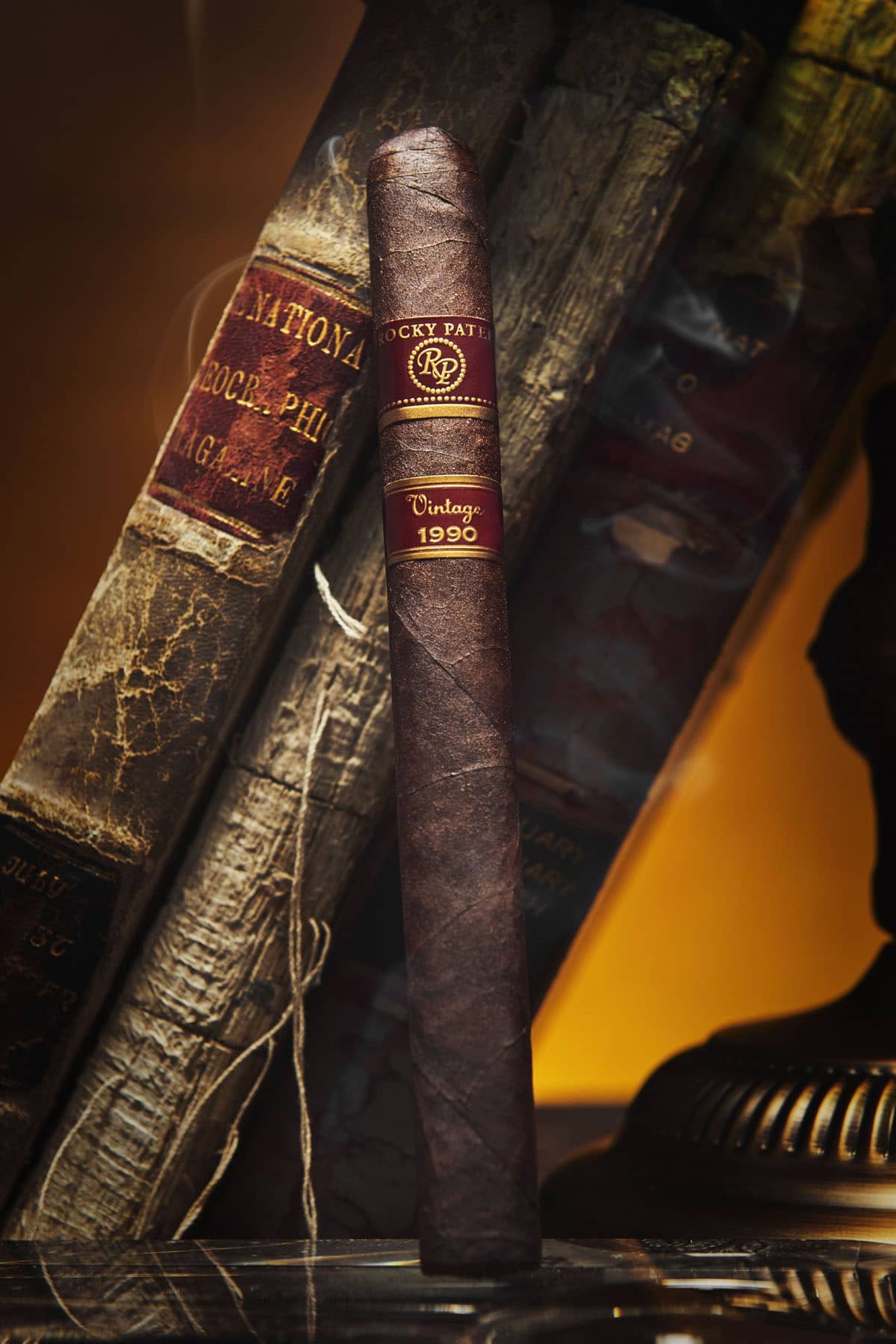
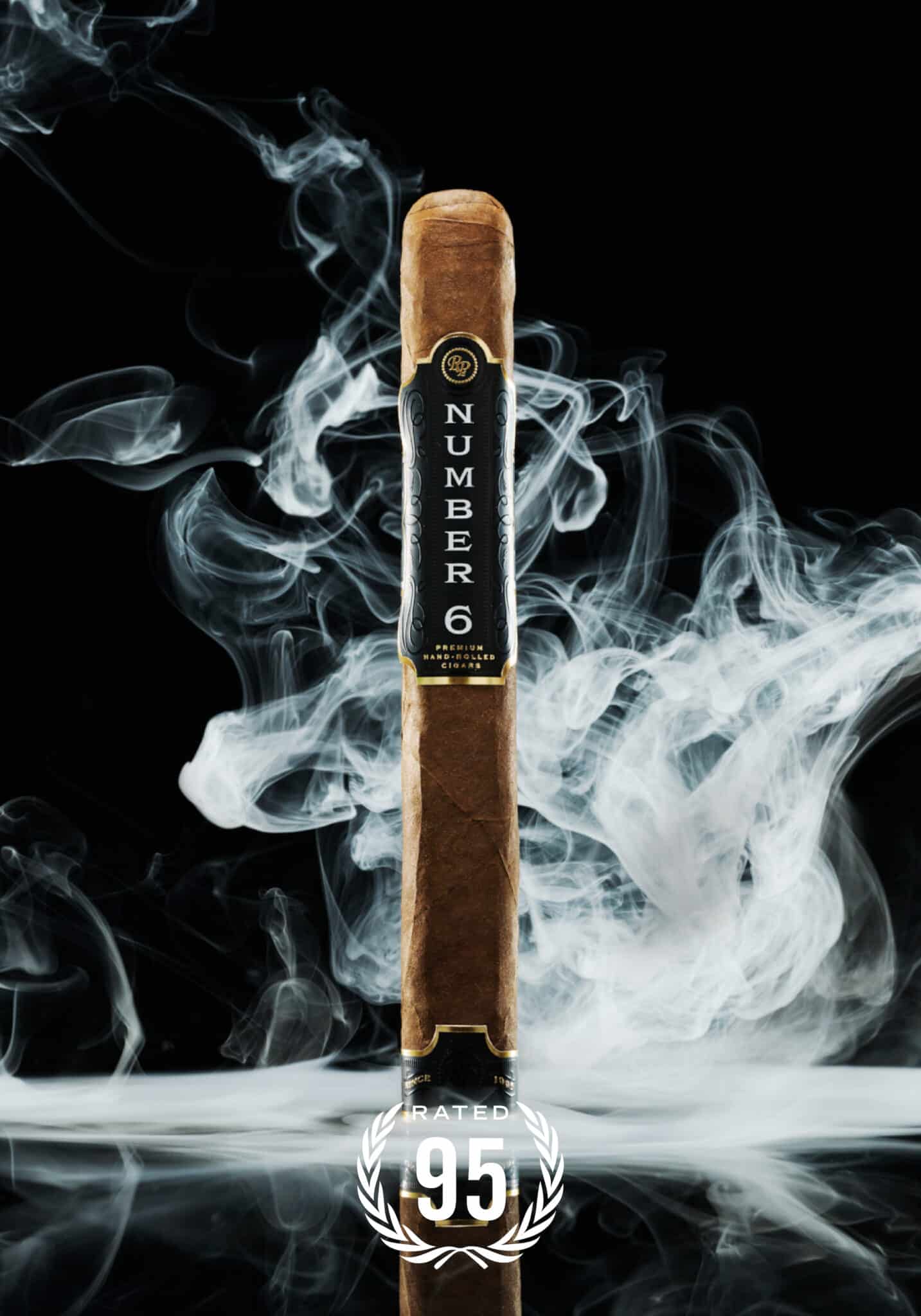
Mister Tabaco’s Rocky Patel selection also provides useful comparisons across wrapper, terroir and aging, including lines such as Vintage 1990, Vintage 1999, Number 6, DBS, SIXTY, A.L.R. Second Edition and Edge 20th Anniversary, subject to current stock.
20. Tasting exercise: Maduro vs a lighter wrapper
Choose two cigars of comparable size.
Record color, texture, cold draw, first ten minutes, sweetness, earth, cocoa/coffee, pepper, body, strength, finish and smoke temperature.
Then score separately:
Strength: /5
Body: /5
Flavor intensity: /5
This single exercise quickly breaks the habit of equating darkness with power.
21. Extended FAQ
Does Maduro mean black? Not necessarily; it ranges from deep reddish-brown toward nearly black.
Does Maduro mean strong? No.
What does Maduro mean in Spanish? Mature or ripe.
Is Maduro a tobacco variety? No.
Which leaves are famous for Maduro? Connecticut Broadleaf and Mexican San Andrés Negro are classic examples.
Why is Maduro darker? Maturity and post-harvest processing, particularly extended/intensive fermentation depending on method.
Is Maduro sweet? It often has perceived sweetness, but this is not guaranteed.
Typical flavors? Cocoa, espresso, molasses, earth, nuts, dark fruit and spice are common associations.
Is Oscuro the same as Maduro? No; Oscuro generally occupies an even darker range.
Can a beginner smoke Maduro? Yes, if the overall blend strength suits them.
Does a Maduro wrapper contain more nicotine? Color alone cannot establish that.
Best first size? Robusto and Toro are excellent reference formats.
22. Conclusion – never judge strength by color
Maduro is one of the best demonstrations of why cigar knowledge rewards curiosity.
A very dark wrapper may look powerful, yet the processing behind Maduro can create exactly the qualities visual intuition misses: roundness, sweetness, depth and maturity.
The useful question is not:
“How black is it?”
It is:
“What leaf is it, how was it processed, and how does it interact with the binder and filler?”
Once you think this way, you stop selecting cigars by color and start reading them as blends.
Mister Tabaco
At Mister Tabaco, you can turn theory into practical comparisons between blends, vitolas and origins.
Continue the Tobacco Guide
→ What Is Premium Tobacco and How Is It Different from Ordinary Tobacco?
→ Wrapper, Binder and Filler – the anatomy of a premium cigar
→ Maduro Explained Properly – Color, Fermentation, Flavor and the Strength Myth
→ Ligero, Seco and Volado – how leaf position changes a premium cigar
→ How Cigar Tobacco Is Grown – From Seed to Harvest
→ Tobacco Fermentation – The Process That Transforms the Leaf
→ Tobacco Aging – Why Some Cigar Leaves Are Aged for Years
→ How a Master Blender Creates a Cigar
→ Shade-Grown vs Sun-Grown: How Light Changes a Cigar Wrapper
→ Long Filler vs Short Filler – The Real Differences in Cigar Construction
→ Strength vs Body vs Flavor – How to Describe a Cigar Correctly
→ How Vitola Changes Cigar Flavor: Robusto vs Toro vs Churchill vs Sixty
→ How to Choose Your First Premium Cigar – A Complete Beginner’s Guide
→ How to Taste a Premium Cigar and Identify Aromas
→ How to Store Cigars Properly: Humidor, Temperature and Humidity
→ Common Mistakes That Can Ruin the Experience of a Premium Cigar
→ Rocky Patel Guide: Differences Between the Main Collections at Mister Tabaco
→ Rocky Patel Vintage 1990 vs Vintage 1999: Aged Broadleaf or Delicate Connecticut?
→ Rocky Patel Number 6 vs DBS: Balanced Corojo or Broadleaf Architecture?
→ Rocky Patel SIXTY vs A.L.R. Second Edition: Two San Andrés Interpretations, Two Aging Philosophies
→ How to Choose a Rocky Patel by Experience, Strength and Flavor Profile
Explore the Cigar Guide
→ How to Choose Your First Cigar
→ Which Rocky Patel Cigar Should You Choose as a Beginner?
→ How to Smoke a Cigar Properly
→ Robusto, Toro or Churchill? Cigar Size Guide
→ How to Store Cigars Properly
→ Cuba vs Nicaragua vs Dominican Republic vs Honduras
→ How to Identify Cigar Flavors
→ Cigar Pairing with Whisky, Rum, Cognac or Coffee
→ 10 Common Cigar Mistakes Beginners Make
→ How to Choose a Cigar as a Gift or for a Special Occasion
Tobacco products are intended for adults only. Smoking seriously damages your health.