
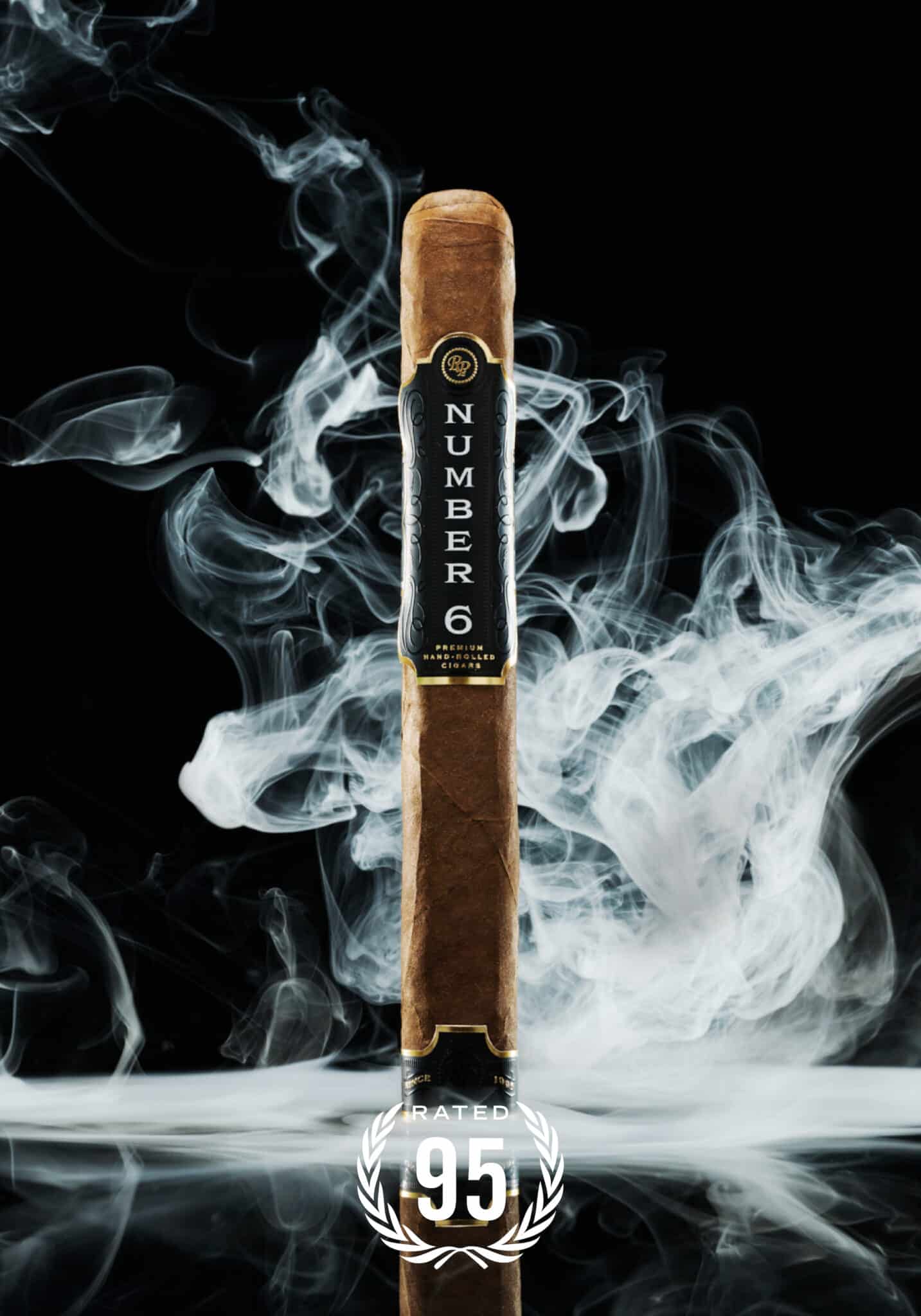
A premium cigar can look deceptively simple: tobacco leaves rolled into a cylinder. In reality, its construction is closer to a carefully calibrated recipe. Beneath the outer leaf is a three-layer system — wrapper, binder and filler — and each component performs both mechanical and sensory functions.
Understanding those three parts changes the way you choose cigars. Instead of relying only on wrapper color or broad labels such as “medium” and “full,” you begin to read the blend: where the leaves come from, which wrapper is used, whether the cigar has one or two binders, and which origins make up the filler.
1. The three layers of a premium cigar
A handmade premium cigar has three principal components:
- Filler (tripa): the leaves at the core;
- Binder (capote/banda): the leaf that holds the filler together;
- Wrapper (capa): the visible outer leaf.
Filler and binder together form the bunch. Once the bunch has been shaped, the wrapper is applied.
It is tempting to assign one job to each component — filler equals flavor, binder equals structure, wrapper equals appearance. The reality is more complex. All three can affect flavor, burn, draw and the way a cigar develops.
2. Wrapper: much more than cigar packaging
The wrapper is the leaf you see and touch before lighting the cigar. It must meet stricter cosmetic standards than the tobacco hidden inside: good elasticity, relatively even color, controlled veins and minimal defects.
That is why wrapper tobacco is among the most carefully selected leaf.
Appearance, however, is only the beginning.
The wrapper touches the lips and has a meaningful surface-to-volume ratio, especially in smaller ring gauges. Its oils, texture, fermentation, seed variety and terroir can materially influence sensory perception.
Does a dark wrapper mean a strong cigar?
Not reliably.
A very dark wrapper does not automatically produce a stronger cigar. Color can result from variety, cultivation and processing. Overall strength comes from the entire blend.
“Darker equals stronger” is one of the most common beginner mistakes.
3. How much flavor comes from the wrapper?
You will often hear exact numbers — 50, 60 or even 70 percent. They sound authoritative, but there is no universal formula.
Wrapper influence depends on several variables.
Leaf variety
San Andrés will not behave like Connecticut Shade or Ecuadorian Sumatra.
Priming
Leaves harvested from different positions on the plant have different characteristics.
Ring gauge
A thinner cigar has proportionally more wrapper relative to its filler mass than a 6×60.
Filler intensity
A highly expressive filler can dominate a delicate wrapper.
Fermentation and aging
The same tobacco variety can express itself differently after different processing and maturation regimes.
The useful question, therefore, is not “what percentage of flavor is wrapper?” but “how does this wrapper interact with the rest of the blend?”
4. Binder: the overlooked component
The binder sits directly beneath the wrapper. In Spanish you may see the terms capote or banda.
Its structural job is essential: it surrounds the filler and creates the stable bunch onto which the wrapper is applied.
Yet binder is not simply a botanical belt.
It can influence combustion, airflow, density, flavor and balance. Some binder leaves were originally grown with wrapper potential but were downgraded because of cosmetic imperfections. A leaf can burn and taste beautifully without being visually flawless enough for the outside of a cigar.
Why do some cigars use a double binder?
Some blends employ two binder leaves for structural, combustion or sensory reasons. Rocky Patel Thirtieth Anniversary, for example, is officially described with a Nicaraguan double binder. It is a useful reminder that binder can be an intentional blending tool, not an afterthought.
5. Filler: the engine inside
Filler makes up the central mass of the cigar. In a premium long-filler cigar, long leaves are arranged so air can move through the construction.
This is where a blender can combine tobaccos from different regions, harvests, varieties, plant positions and aging periods.
One leaf may provide strength; another sweetness; another earth or spice; another may help combustion and balance.
Good blending is not about maximizing power. It is about coherence.
6. Long filler and why it matters
Premium handmade cigars commonly use long filler — long tobacco leaves rather than predominantly small fragments.
Long filler gives the buncher greater control over how tobacco runs through the cigar and how air moves through it.
Still, long filler alone is not a guarantee of excellence. Leaf quality, fermentation, aging, construction and compatibility between components remain decisive.
A dedicated Mister Tabaco article will explore Long Filler vs Short Filler in detail.
7. How the cigar is actually built
The production sequence makes the relationship between the three layers easy to understand.
Step 1 — Selecting filler
Leaves for the blend are prepared and combined.
Step 2 — Bunching
Filler is arranged and wrapped in binder, creating the bunch.
Step 3 — Shaping
The bunch is placed in molds to obtain the intended format.
Step 4 — Draw testing
Quality-focused factories may test resistance before the wrapper is applied. Rocky Patel publicly describes draw testing at this stage and states that its cigars are draw tested.
Step 5 — Applying the wrapper
The roller carefully stretches and rolls the outer leaf around the bunch.
The three components now operate as one system.
8. Case study: Rocky Patel SIXTY
SIXTY is a useful example of a clearly disclosed blend.
Rocky Patel lists:
- Wrapper: San Andrés;
- Binder: Nicaragua;
- Filler: Nicaragua;
- Country of origin: Nicaragua.
The company also states that the finished cigars are aged for a minimum of two years after rolling.
At Mister Tabaco, SIXTY formats include Robusto, Toro and Sixty. That creates an excellent educational opportunity: taste the same line in different vitolas and observe what geometry changes.
9. Case study: Rocky Patel Edge 20th Anniversary
Here the architecture changes.
Rocky Patel lists an Ecuadorian Sumatra wrapper, Nicaraguan and Honduran binder/filler tobaccos, and says the wrapper tobacco is aged for more than ten years.
This demonstrates why one country does not necessarily define a cigar. A blender can use complementary characteristics from multiple origins.
Mister Tabaco carries Edge 20th Anniversary in Robusto, Toro and Sixty formats, making the line suitable for a controlled vitola comparison.
10. Why the same blend behaves differently in another vitola
Imagine the same blend concept in a Toro and a Sixty.
The filler mass changes. The wrapper-to-filler ratio changes. Burn rate can change. Smoking temperature can change.
Robusto, Toro and 6×60 should therefore not be viewed merely as different sizes of an identical object. They can be different interpretations of the blend.
That is why experienced smokers often compare several vitolas within one line.
11. How to read a cigar specification
Suppose a cigar is described as:
Wrapper: Ecuadorian Habano Binder: Nicaragua Filler: Nicaragua/Honduras Strength: Medium-Full
Do not stop at “Medium-Full.”
Ask:
Where is the wrapper from?
Origin and variety are clues, not absolute flavor promises.
Single or double binder?
A double binder may signal a more elaborate construction.
Single-country or multinational filler?
Both approaches can make exceptional cigars.
Is aging specified?
Determine exactly what was aged: raw leaf, individual blend components or the finished cigar.
Which vitola?
Geometry changes the proportions of the system.
That is how a specification becomes useful.
12. Five common mistakes
Mistake 1: “The wrapper provides all the flavor”
It can be highly influential, but a cigar is a system.
Mistake 2: “Binder does not matter”
Binder matters structurally and can influence combustion and flavor.
Mistake 3: “Nicaraguan filler means all such cigars taste alike”
Region, farm, seed, priming, fermentation and aging can all change the result.
Mistake 4: “Maduro means very strong”
Color and strength are not synonyms.
Mistake 5: “Bigger ring gauge is automatically better”
Bigger means a different blend ratio, not inherently higher quality.
13. Build an educational tasting
Do not compare ten cigars at once. Select two or three and, where possible, change one variable.
Experiment A — same line, different vitolas
Try Rocky Patel SIXTY Robusto vs Toro vs Sixty.
Observe intensity, burn rate, smoke temperature, transitions and overall balance.
Experiment B — different wrappers
Compare two distinct blends and pay attention not only to color but also texture, cold aroma and evolution.
Write down your observations. A few controlled comparisons will develop sensory vocabulary faster than simply memorizing ratings.
14. Combustion is part of flavor
A delicious blend with poor construction quickly becomes frustrating.
If filler is packed too tightly, draw can become restrictive. Too loosely, and the cigar may burn hot and fast. Binder must support both the bunch and combustion. Wrapper must be applied without compromising structure.
Anatomy and construction therefore cannot be separated from tasting. What we perceive depends partly on how the blend burns.
15. What beginners should focus on
Start with four questions:
- Which wrapper is used?
- Where do binder and filler come from?
- Which vitola am I smoking?
- How does the profile evolve from beginning to end?
Then gradually add primings, varieties, regions, fermentation and aging.
Cigar knowledge becomes easier when built in layers.
16. Choosing your next cigar at Mister Tabaco
Instead of saying only “I want a good cigar,” make the request more specific:
“I want to compare San Andrés with Ecuadorian Sumatra.”
“I want the same Rocky Patel line in Robusto and Toro.”
“I want one Nicaraguan blend and one Nicaragua/Honduras blend for comparison.”
That turns each cigar into a learning experience.
17. FAQ
What is a wrapper?
The visible outer tobacco leaf, selected for appearance, elasticity, combustion and sensory characteristics.
What is a binder?
The leaf beneath the wrapper that holds filler together and contributes to structure, combustion and the blend.
What is filler?
The tobacco at the cigar’s core. Premium long-filler cigars use long leaves combined to achieve a desired profile.
Does wrapper provide 60% of cigar flavor?
There is no universal percentage. Influence changes with wrapper, binder, filler, vitola and other variables.
Is a dark wrapper stronger?
Not necessarily. Color is not a reliable strength scale.
What does double binder mean?
Two binder leaves are used in construction.
Why does ring gauge matter?
It changes filler-to-wrapper proportions and can affect burn and blend expression.
What is long filler?
A construction based primarily on long tobacco leaves rather than short fragments.
Is wrapper the most expensive tobacco?
It is generally among the most expensive grades because cosmetic and structural standards are exceptionally demanding.
Can a beginner learn these differences?
Yes. Controlled two- or three-cigar comparisons are highly effective.
18. Conclusion: read the cigar as a blend
Wrapper, binder and filler are not trivia. They explain why two cigars that look similar can behave completely differently.
Wrapper provides the first tactile and sensory contact and can contribute substantial character. Binder stabilizes the bunch, supports combustion and can influence flavor. Filler is the core where the blender combines origins, primings and intensities.
The real magic, however, lies in their interaction.
Next time you choose a cigar, look beyond the band. Read the blend.
Mister Tabaco
At Mister Tabaco, you can turn theory into practical comparisons between blends, vitolas and origins.
Continue the Tobacco Guide
→ What Is Premium Tobacco and How Is It Different from Ordinary Tobacco?
→ Wrapper, Binder and Filler – the anatomy of a premium cigar
→ Maduro Explained Properly – Color, Fermentation, Flavor and the Strength Myth
→ Ligero, Seco and Volado – how leaf position changes a premium cigar
→ How Cigar Tobacco Is Grown – From Seed to Harvest
→ Tobacco Fermentation – The Process That Transforms the Leaf
→ Tobacco Aging – Why Some Cigar Leaves Are Aged for Years
→ How a Master Blender Creates a Cigar
→ Shade-Grown vs Sun-Grown: How Light Changes a Cigar Wrapper
→ Long Filler vs Short Filler – The Real Differences in Cigar Construction
→ Strength vs Body vs Flavor – How to Describe a Cigar Correctly
→ How Vitola Changes Cigar Flavor: Robusto vs Toro vs Churchill vs Sixty
→ How to Choose Your First Premium Cigar – A Complete Beginner’s Guide
→ How to Taste a Premium Cigar and Identify Aromas
→ How to Store Cigars Properly: Humidor, Temperature and Humidity
→ Common Mistakes That Can Ruin the Experience of a Premium Cigar
→ Rocky Patel Guide: Differences Between the Main Collections at Mister Tabaco
→ Rocky Patel Vintage 1990 vs Vintage 1999: Aged Broadleaf or Delicate Connecticut?
→ Rocky Patel Number 6 vs DBS: Balanced Corojo or Broadleaf Architecture?
→ Rocky Patel SIXTY vs A.L.R. Second Edition: Two San Andrés Interpretations, Two Aging Philosophies
→ How to Choose a Rocky Patel by Experience, Strength and Flavor Profile
Explore the Cigar Guide
→ How to Choose Your First Cigar
→ Which Rocky Patel Cigar Should You Choose as a Beginner?
→ How to Smoke a Cigar Properly
→ Robusto, Toro or Churchill? Cigar Size Guide
→ How to Store Cigars Properly
→ Cuba vs Nicaragua vs Dominican Republic vs Honduras
→ How to Identify Cigar Flavors
→ Cigar Pairing with Whisky, Rum, Cognac or Coffee
→ 10 Common Cigar Mistakes Beginners Make
→ How to Choose a Cigar as a Gift or for a Special Occasion
Tobacco products are intended for adults only. Smoking seriously damages your health.
[…] → Wrapper, Binder and Filler – the anatomy of a premium cigar […]